

Abaca
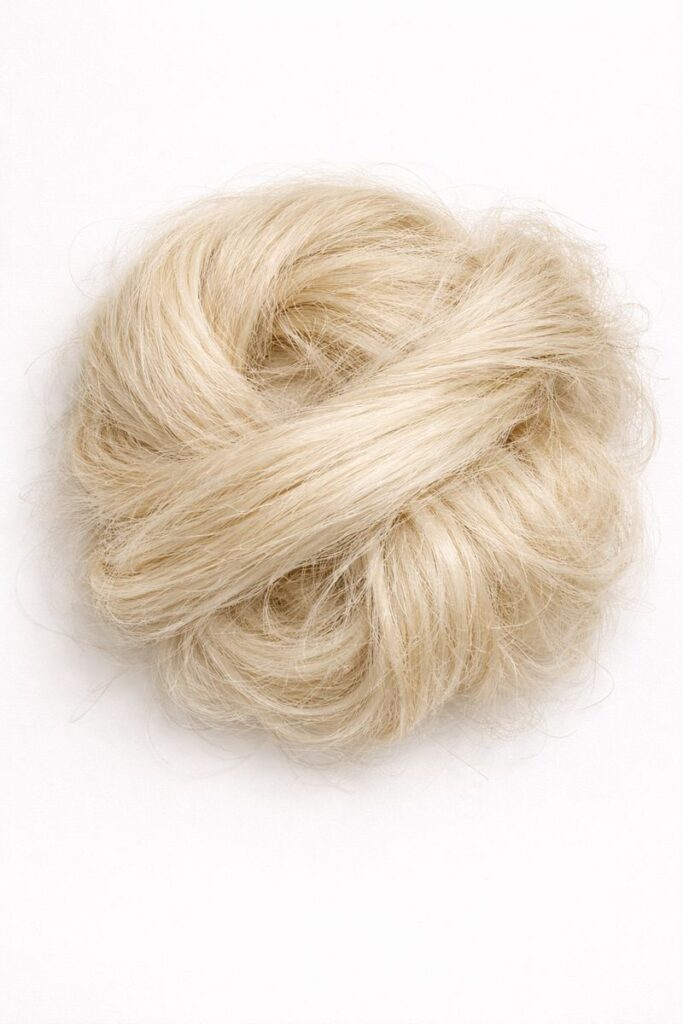
Abaca is a natural plant-based fiber derived from the leaf stalks of the abaca plant, a species closely related to the banana plant. Often referred to as Manila hemp, abaca is known for its exceptional strength, flexibility, and resistance to saltwater damage. It has been cultivated for centuries in tropical regions, particularly in the Philippines, where it has played a significant role in maritime, industrial, and traditional textile applications. While abaca is primarily associated with technical and industrial uses, it has increasingly found relevance in interior and decorative textiles due to its natural texture and durability.
Production
Abaca production begins with harvesting the mature leaf stalks of the plant. The fibers are extracted through a mechanical stripping process that separates the fibrous material from the surrounding pulp. After extraction, the fibers are washed, dried, and graded according to length, color, and strength. High-quality abaca fibers are long, flexible, and uniform, making them suitable for spinning into yarn or use in woven and nonwoven textiles. The production process relies largely on mechanical methods and requires relatively little chemical input.
Use / Applications
Abaca is used in applications where strength, flexibility, and resistance to environmental stress are important. Its durability and resistance to moisture and saltwater have made it especially valuable in maritime and industrial contexts, while its natural appearance supports use in interior and decorative textiles.
Common uses and applications include:
- Ropes, cords, and marine textiles
- Paper products such as specialty papers, tea bags, and currency paper
- Interior textiles including rugs, wall coverings, and upholstery fabrics
- Decorative and structural textiles for furniture and accessories
Properties & Aesthetic Qualities
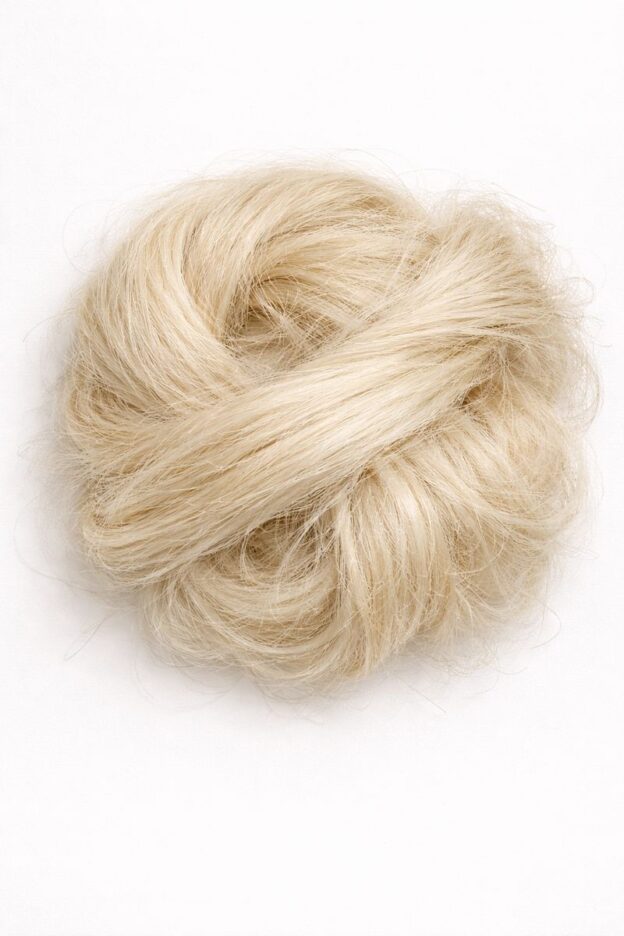
Abaca fibers are long, strong, and flexible, offering a balance between rigidity and pliability that distinguishes them from other coarse plant fibers. The surface texture is slightly coarse with a natural sheen, and the color ranges from creamy white to light brown. Aesthetically, abaca conveys a natural, organic character and is often used to emphasize texture and structure in interior design rather than softness.
Advantages & Limitations
Advantages
Abaca is one of the strongest natural fibers available and offers excellent resistance to moisture, saltwater, and microbial degradation. It is durable, flexible, and biodegradable, making it suitable for demanding applications with a long service life. The fiber’s natural strength and stability contribute to its widespread use in technical and industrial products.
Limitations
Abaca fibers are relatively coarse, which limits their use in garments or products worn close to the skin. The fiber is less widely available than many other plant-based fibers, which can affect cost and supply consistency. While flexible, abaca does not offer the softness or drape required for most apparel applications.
Sustainability, Care & Variations
Abaca is considered an environmentally responsible fiber due to its renewable nature, biodegradability, and low chemical requirements during cultivation and processing. The plant can be harvested multiple times without replanting, contributing to efficient land use. From a care perspective, abaca textiles should be kept dry and cleaned gently to preserve fiber strength. Abaca is sometimes blended with other natural or synthetic fibers to improve flexibility, surface softness, or suitability for decorative textile applications.