

Acetate
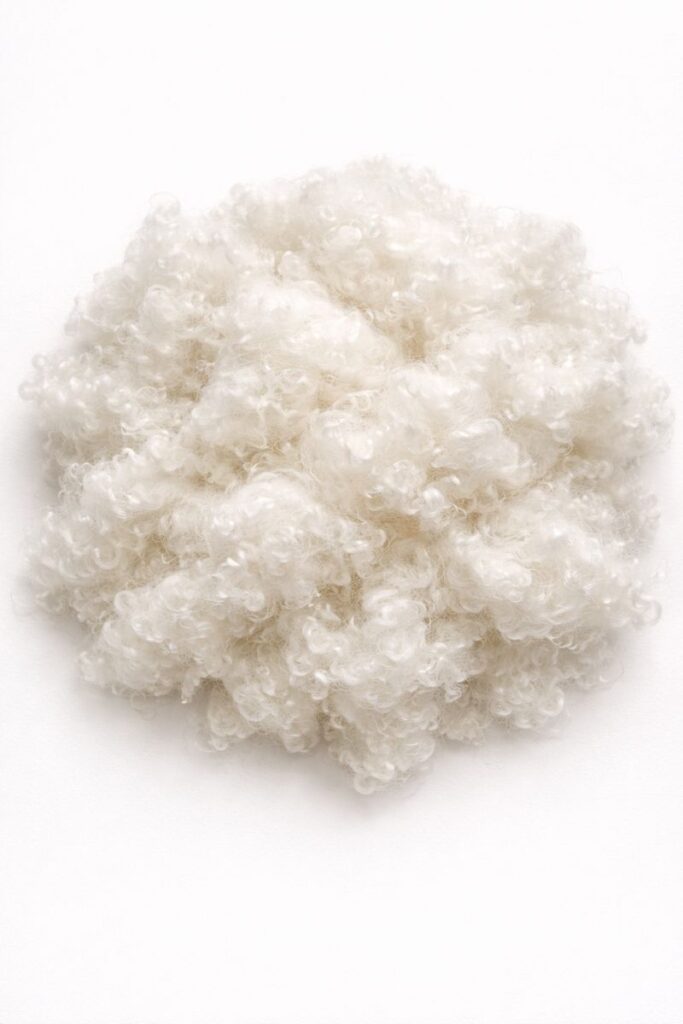
Acetate is a regenerated cellulose-based fiber derived from natural sources such as wood pulp, most commonly from beech or pine trees. Although its raw material is plant-based, acetate is classified as a semi-synthetic fiber due to the chemical modification of cellulose during production. Acetate was developed in the early twentieth century and gained popularity as a silk alternative because of its smooth surface, soft drape, and high luster. Today, acetate is widely used in fashion and interior textiles where visual elegance and fluidity are more important than durability.
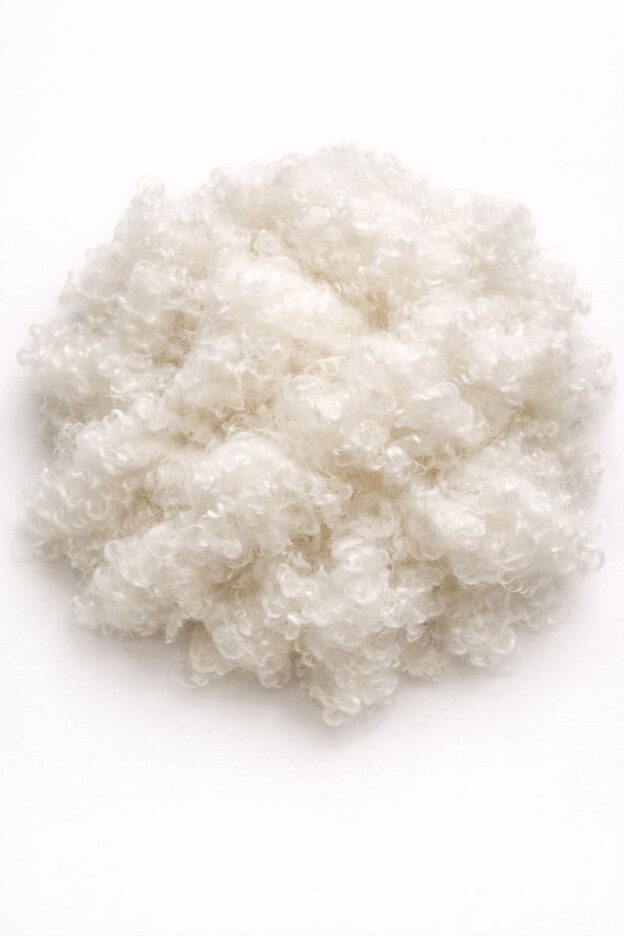
Production
Acetate production begins with purified cellulose extracted from wood pulp. The cellulose is chemically treated with acetic acid and acetic anhydride to form cellulose acetate. This modified cellulose is dissolved to create a spinning solution, which is extruded through spinnerets to form continuous filaments. The filaments are then solidified, washed, and spun into yarn. The acetylation process reduces cellulose’s affinity for water, giving acetate its distinctive properties, including sheen and thermoplastic behavior. The production process involves chemical inputs and requires careful control to manage environmental impact.
Use / Applications
Acetate is used in textiles where drape, sheen, and comfort are prioritized over high strength or abrasion resistance. It is commonly applied in garments and linings that benefit from a smooth surface and elegant appearance.
Common uses and applications include:
- Apparel such as dresses, blouses, skirts, and eveningwear
- Linings for jackets, coats, and tailored garments
- Decorative textiles including lightweight curtains and interior fabrics
Properties & Aesthetic Qualities
Acetate fibers have a smooth, silky hand feel and a high natural luster that closely resembles silk. The fiber drapes fluidly and moves softly with the body, making it suitable for garments with an elegant silhouette. Acetate is breathable and comfortable to wear but has relatively low strength, especially when wet. The fiber is thermoplastic, meaning it can be heat-shaped but is also sensitive to high temperatures, which can cause melting or deformation.
Advantages & Limitations
Advantages
Acetate offers a luxurious appearance with a soft drape and high sheen at a lower cost than natural silk. It is lightweight, comfortable, and pleasant to wear, making it well suited for occasionwear and linings. Acetate accepts dyes well and produces rich, vibrant colors with depth and brilliance.
Limitations
Acetate fibers have low durability and poor resistance to abrasion and moisture, which limits their suitability for everyday or high-wear garments. The fiber is sensitive to heat and solvents, requiring careful handling during manufacturing and use. The chemical processing involved in acetate production reduces its overall sustainability compared to less chemically intensive regenerated fibers.
Sustainability, Care & Variations
Acetate is derived from renewable cellulose sources, but its sustainability depends on responsible forestry practices and chemical management during production. From a care perspective, acetate garments typically require gentle washing or dry cleaning to prevent damage, shrinkage, or distortion. Acetate is sometimes blended with fibers such as viscose, polyester, or silk to improve strength, stability, and ease of care while retaining its characteristic sheen and drape.