

Bamboo
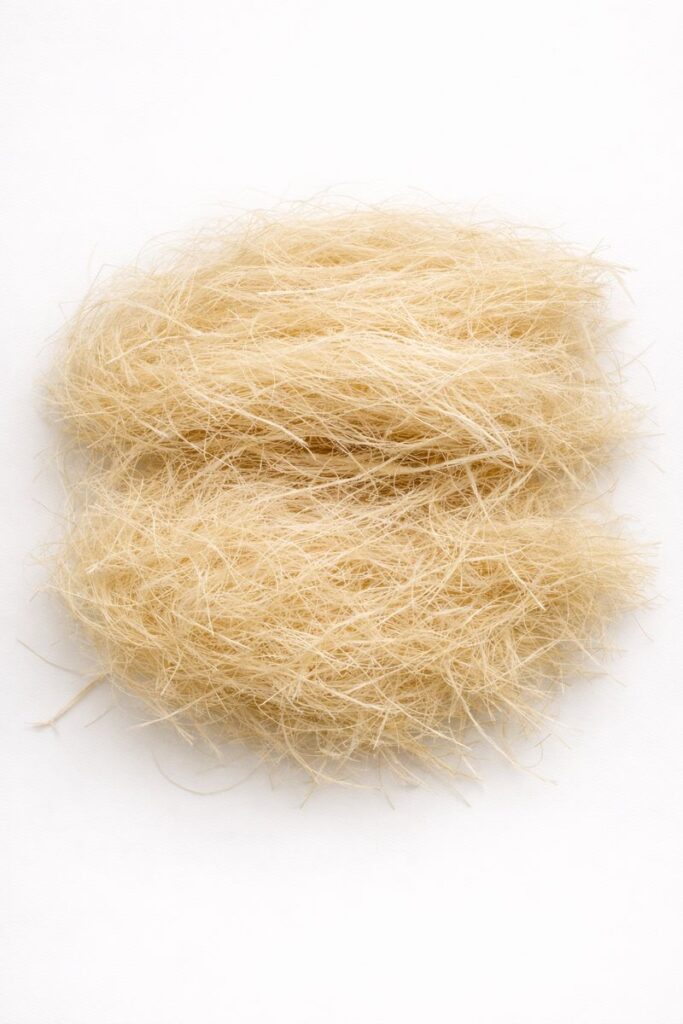
Bamboo is a fast-growing plant that has gained significant attention in textile production due to its rapid renewability and versatility. In textiles, the term bamboo can refer to different fiber types depending on processing method, most commonly regenerated bamboo viscose or mechanically processed bamboo fibers. Bamboo-based textiles are often associated with softness, breathability, and claims of environmental responsibility, though the actual sustainability profile depends strongly on production processes.
Production
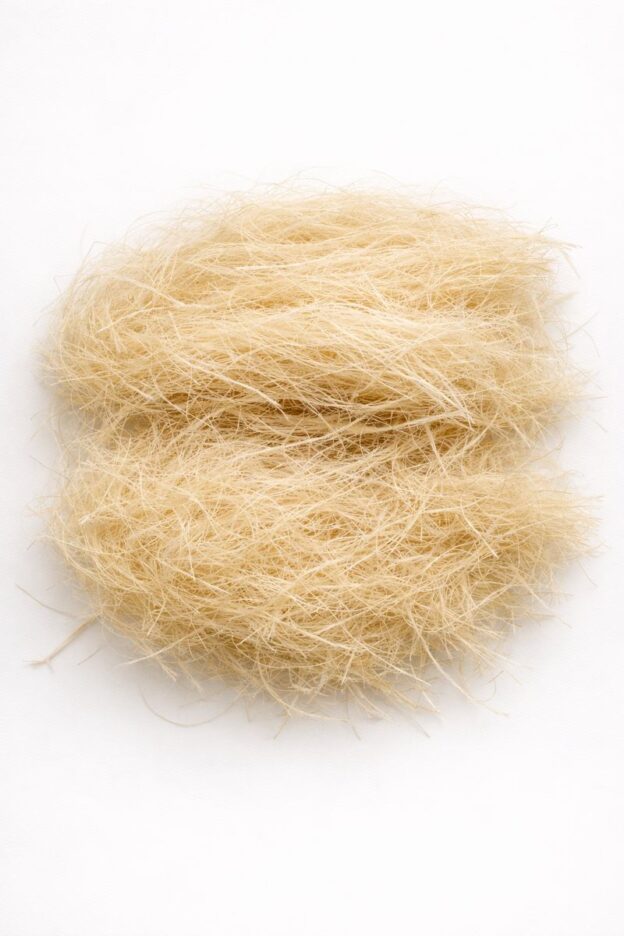
Textile fibers derived from bamboo are produced through two main methods. The most common method involves chemically processing bamboo pulp to create regenerated cellulose fibers, similar to viscose or rayon production. In this process, bamboo is broken down into pulp, chemically treated, and extruded through spinnerets to form filaments that are spun into yarn. A less common method involves mechanically extracting fibers from the bamboo plant, producing a coarser, linen-like fiber. The chemical method allows for softer, more uniform fibers suitable for apparel, while mechanical processing is more limited in scale and application.
Use / Applications
Bamboo-derived fibers are primarily used in apparel and interior textiles where softness, moisture management, and comfort are key considerations. Regenerated bamboo fibers are often used as an alternative to viscose or cotton, while mechanically processed bamboo is used in more niche textile applications.
Common uses and applications include:
- Apparel such as T-shirts, underwear, socks, loungewear, and activewear
- Interior textiles including bedding, towels, and lightweight decorative fabrics
- Fabric constructions such as jersey, plain weave, twill, and blended textiles
Properties & Aesthetic Qualities
Bamboo-derived textiles typically have a soft and smooth hand feel with good drape and a subtle sheen, particularly when produced through chemical regeneration. They are breathable and have good moisture absorption, contributing to comfort in warm conditions. The fibers have limited elasticity and moderate strength, with performance characteristics similar to viscose. Mechanically processed bamboo fibers are coarser and more structured, offering a texture closer to linen.
Advantages & Limitations
Advantages
Bamboo grows rapidly and can be cultivated with relatively low water input and without replanting, making it an efficient raw material source. Regenerated bamboo fibers offer a soft, comfortable feel and good breathability, making them suitable for garments worn close to the skin. Bamboo textiles are often perceived as natural and environmentally friendly, which has contributed to their popularity in contemporary fashion and lifestyle products.
Limitations
Most bamboo textiles on the market are produced using chemical regeneration processes that involve significant chemical and water use, reducing their environmental benefits if not responsibly managed. Bamboo fibers produced in this way share many of the same limitations as viscose, including reduced strength when wet and a tendency to wrinkle. Mechanically processed bamboo fibers are less common and typically result in coarser fabrics with limited application in apparel.
Sustainability, Care & Variations
The sustainability of bamboo textiles depends largely on processing methods and supply chain transparency. Closed-loop systems and responsible chemical management can significantly reduce environmental impact, while poorly controlled production can result in pollution. Bamboo-derived fabrics generally require gentle washing and moderate temperatures to maintain fiber integrity. Bamboo fibers are frequently blended with cotton, viscose, or synthetic fibers to improve durability, elasticity, and ease of care while maintaining softness and comfort.