

Cotton
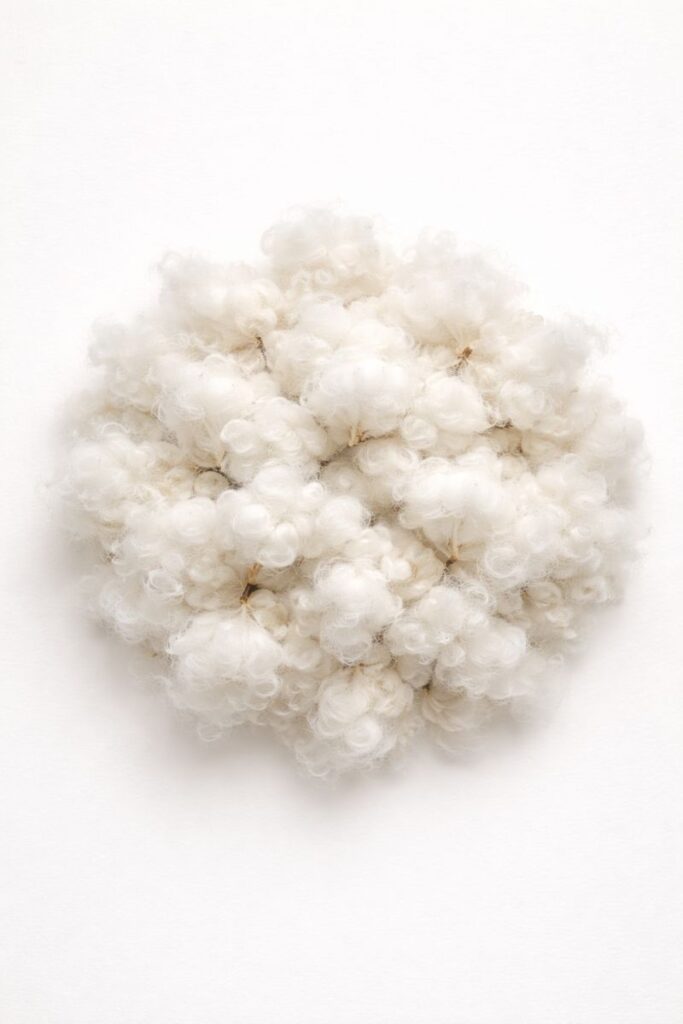
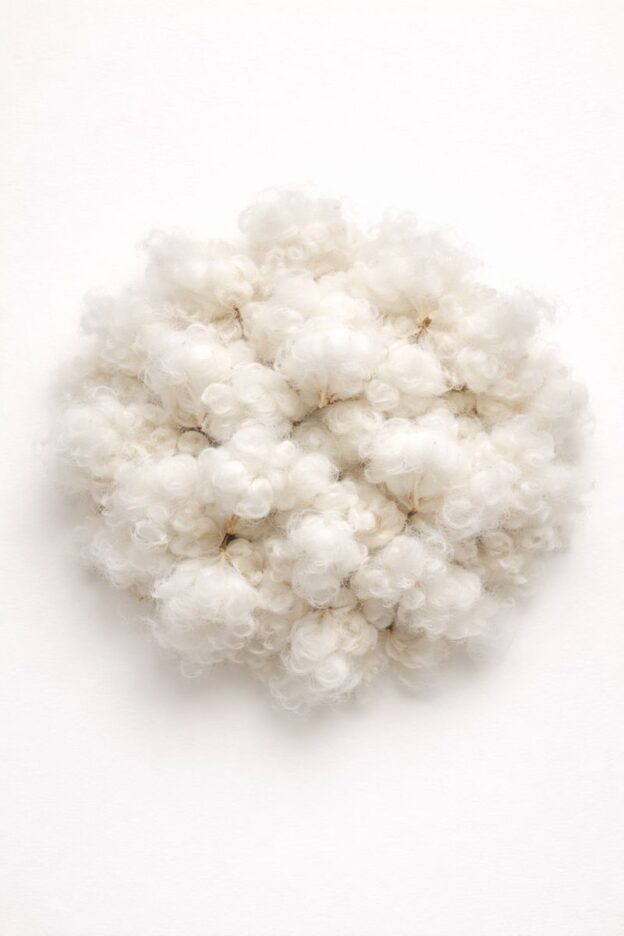
Cotton is a natural plant-based fiber obtained from the cotton boll, which surrounds and protects the seeds of the cotton plant. It is the most widely used natural fiber in the global textile industry, primarily due to its softness, breathability, and versatility. Cotton is used across a wide range of textile categories, from lightweight apparel to durable home and industrial textiles.
Story
Cotton has been cultivated for more than 7,000 years, with early evidence of use found in India, Egypt, and parts of the Americas. Its global significance increased dramatically during the Industrial Revolution, when mechanical spinning and weaving transformed cotton into the backbone of mass textile production. While cotton remains central to modern fashion and everyday clothing, its environmental and social impact has led to increasing interest in organic, recycled, and regenerative cotton practices.
Production
Cotton production begins with the cultivation of cotton plants in warm climates with sufficient rainfall or irrigation. Once the bolls mature, they are harvested either mechanically or by hand. The fibers are separated from the seeds through a process called ginning. After cleaning and grading, the fibers are compressed into bales and transported to spinning facilities, where they are spun into yarn. Cotton yarns are then woven or knitted into fabric and may undergo various finishing treatments depending on the desired performance and aesthetic.
Use / Applications
Cotton is used in nearly all areas of textile production. In fashion, it is commonly found in T-shirts, shirts, denim, underwear, dresses, and casual wear. In interior textiles, cotton is used for bed linen, towels, curtains, upholstery, and decorative fabrics. Due to its comfort and breathability, cotton is particularly suitable for garments worn close to the skin and in warm or temperate climates. It is also used in medical and technical textiles where softness and absorbency are required.
Characteristics
- Soft and comfortable against the skin
- Highly breathable
- Excellent moisture absorption
- Durable and strong, especially when wet
- Prone to wrinkling and shrinkage without treatment
Advantages & Limitations
Advantages
Cotton is widely appreciated for its comfort, breathability, and skin-friendly properties. It is easy to dye, widely available, and suitable for a broad range of fabric constructions. Cotton is also biodegradable and renewable, making it attractive from a material lifecycle perspective.
Limitations
Conventional cotton cultivation can be resource-intensive, particularly in terms of water use and chemical inputs. Cotton fabrics wrinkle easily and may shrink if not pre-treated. Compared to synthetic fibers, cotton dries slowly and offers limited elasticity unless blended with stretch fibers.
Typical Fabric Constructions
Cotton appears in a wide variety of fabric constructions, including:
- Poplin
- Twill
- Denim
- Jersey
- Canvas
- Voile
Each construction alters the fabric’s weight, drape, durability, and end use.
Feel & Aesthetic Qualities
Cotton typically has a soft, natural hand feel with a matte appearance. Depending on fiber quality and finishing, it can range from crisp and structured to soft and fluid. Over time and with repeated washing, cotton fabrics often become softer while maintaining their overall integrity.
Environmental Impact
Conventional cotton production is associated with high water consumption and the use of pesticides and fertilizers. These factors can contribute to soil degradation and water pollution. In response, organic cotton, recycled cotton, and regenerative farming practices have gained prominence as more sustainable alternatives, reducing chemical use and environmental strain.
Care & Maintenance
Cotton is generally easy to care for but requires attention to washing conditions. High temperatures can cause shrinkage, especially in untreated fabrics. Cotton garments should be washed according to care instructions, and tumble drying may increase wear and wrinkling. Proper care can significantly extend the lifespan of cotton textiles.
Blends & Variations
Cotton is frequently blended with other fibers to improve performance. Common blends include cotton–polyester for increased durability and reduced wrinkling, and cotton–elastane for added stretch and comfort. Blending allows cotton to be adapted for both casual and performance-oriented applications.
Details
Cotton fibers consist primarily of cellulose and vary in length, fineness, and strength. Fiber length (staple length) plays a significant role in yarn quality, with long-staple cotton producing smoother, stronger yarns. Cotton fibers do not build up static electricity easily and are well suited for dyeing and finishing processes.