

Hemp
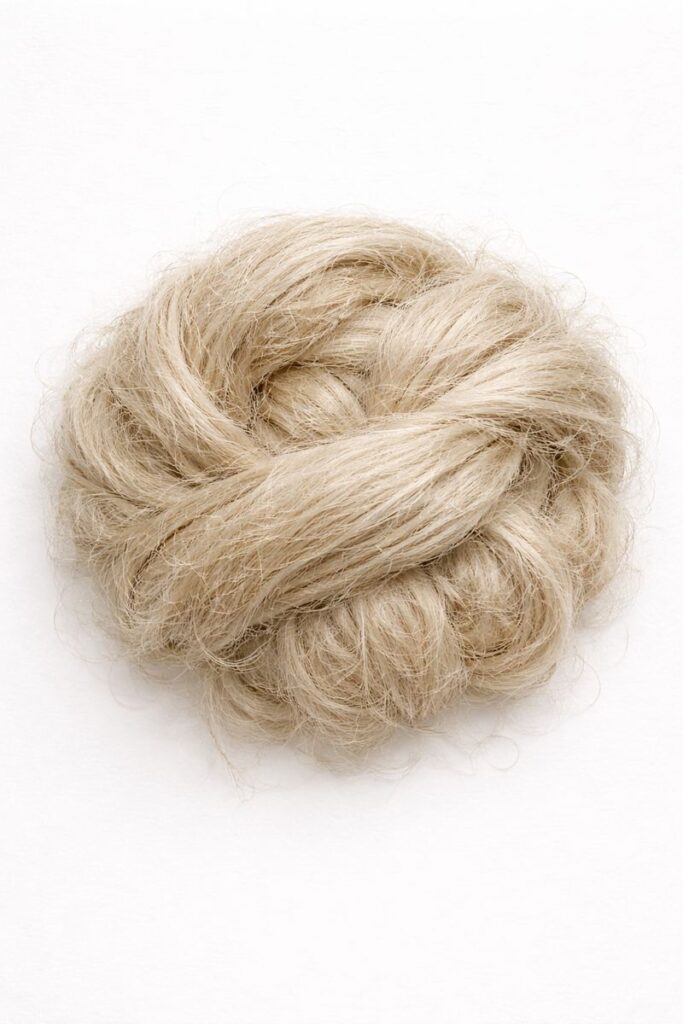
Hemp is a natural plant-based fiber derived from the stalk of the hemp plant. It is known for its strength, durability, and breathability and is one of the oldest fibers used in textile production. Hemp has been cultivated for thousands of years across Asia and Europe and was historically valued for its robustness in ropes, sails, and workwear. In recent decades, hemp has regained attention within fashion and textile design due to its low environmental impact, longevity, and compatibility with sustainable production practices.
Production
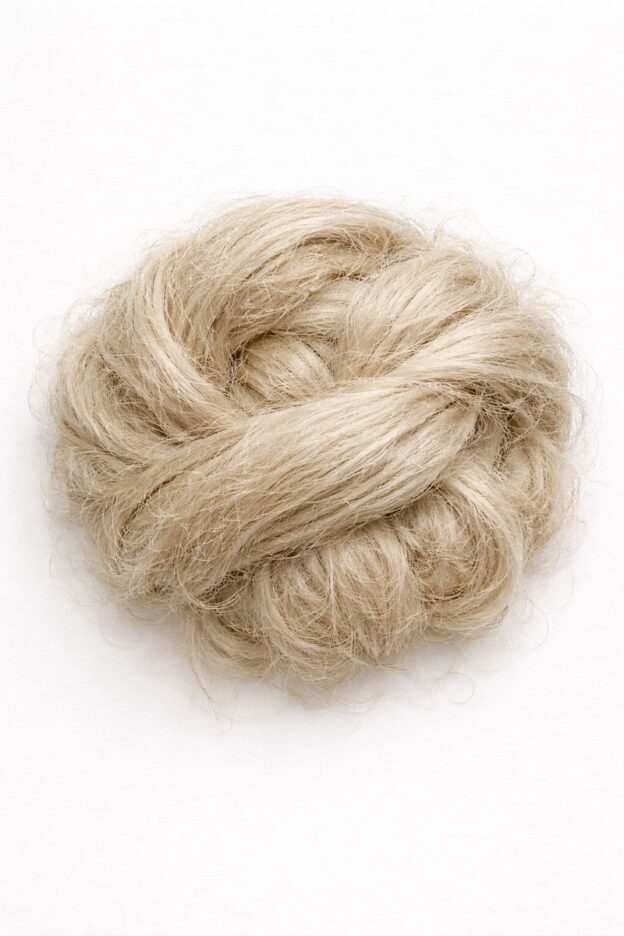
Hemp fibers are obtained from the stalk of the hemp plant, which is harvested when the plant reaches optimal maturity. After harvesting, the stalks undergo retting, a process that allows microorganisms to break down the pectins binding the fibers to the woody core. The fibers are then separated through mechanical processing, including breaking and scutching, and refined through hackling to align them. Hemp fibers are spun into yarn and woven into fabric, often using processes similar to those used for linen. Historically, hemp textiles were coarse, but modern processing techniques have enabled the production of finer and softer hemp fabrics suitable for apparel.
Use / Applications
Hemp is used in a wide range of textile applications where strength, breathability, and durability are important. It is suitable for both apparel and interior textiles and is increasingly used in contemporary fashion as a sustainable alternative to other plant fibers.
Common uses and applications include:
- Apparel such as shirts, trousers, jackets, dresses, and casual wear
- Interior textiles including upholstery, curtains, and decorative fabrics
- Fabric constructions such as plain weave hemp, canvas, twill, and blended textiles
Properties & Aesthetic Qualities
Hemp has a firm and structured hand feel with a natural, slightly textured surface. It is highly breathable and has good moisture management properties, contributing to comfort in warm conditions. Hemp fibers have low elasticity and tend to wrinkle, similar to linen, though this characteristic is often embraced as part of the material’s natural aesthetic. Over time and with repeated use and washing, hemp fabrics soften significantly while retaining their strength and structure.
Advantages & Limitations
Advantages
Hemp is an exceptionally strong and durable fiber with a long product lifespan. It is breathable, resistant to wear, and naturally resistant to mold and ultraviolet light. Hemp cultivation requires relatively little water and typically fewer chemical inputs than many other fiber crops, making it an attractive option for environmentally conscious textile production.
Limitations
Hemp fibers have limited elasticity, which can reduce comfort in fitted garments. Fabrics made from hemp can initially feel coarse or stiff, especially when compared to cotton or silk, and require time and use to soften. While processing technology has improved, fine hemp textiles can still be more expensive and less widely available than conventional plant-based fabrics.
Sustainability, Care & Variations
Hemp is often regarded as one of the most environmentally responsible textile fibers due to its low water requirements, minimal need for pesticides, and ability to improve soil health. It is biodegradable and benefits from a long lifecycle. From a care perspective, hemp textiles should be washed gently and at moderate temperatures to preserve fiber integrity. Hemp is frequently blended with fibers such as cotton, viscose, or recycled synthetics to enhance softness, improve drape, and expand its application range while maintaining its strength and sustainability advantages.