

Horse Hair
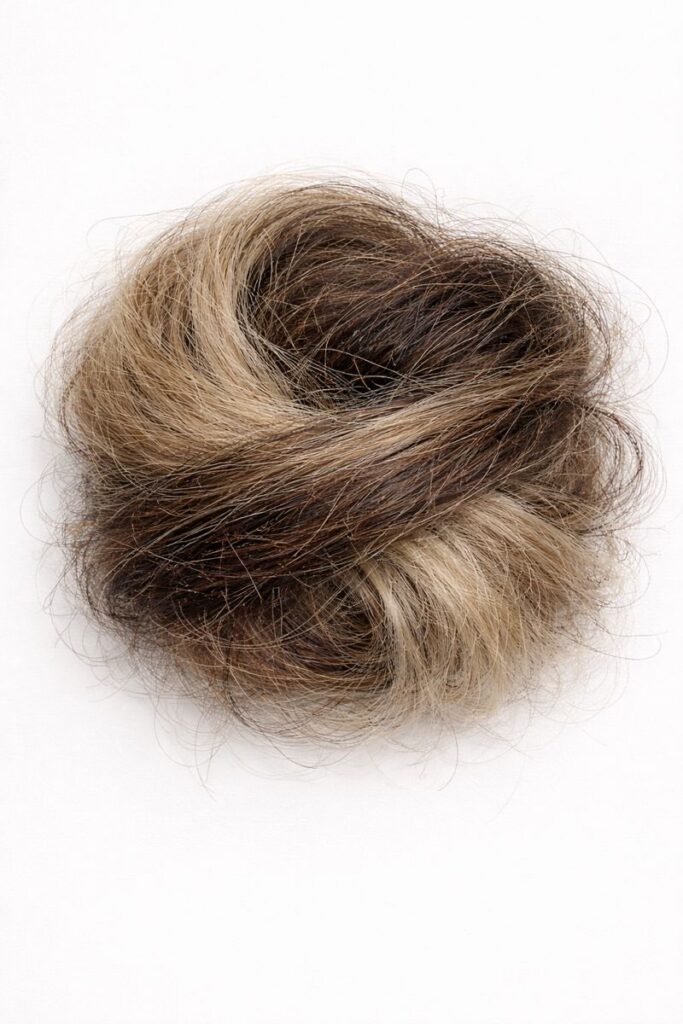
Horse hair is a natural animal-based fiber obtained primarily from the mane and tail of horses. It has been used in textiles and craft traditions for centuries and is valued for its strength, resilience, and stiffness rather than softness. Horse hair occupies a specialized position in textile history, particularly within tailoring, upholstery, and decorative applications, where structure, durability, and elasticity are essential. Unlike most animal fibers, horse hair is rarely used for comfort or warmth but instead for reinforcement and form.
Production
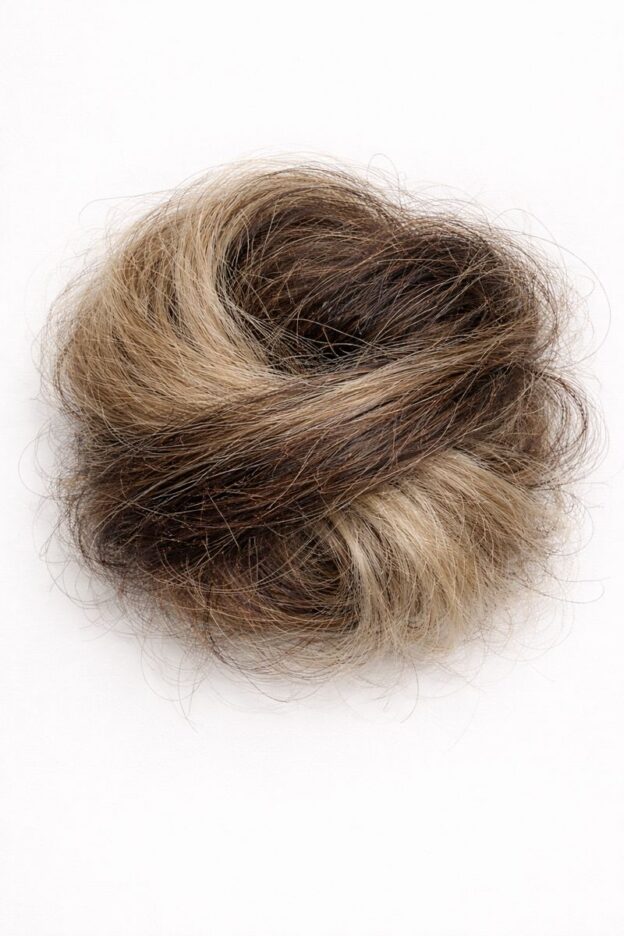
Horse hair is collected during routine grooming or trimming of the mane and tail, without harming the animal. The fibers are cleaned, sorted by length and thickness, and sometimes blended with other fibers depending on the intended use. Horse hair is not typically spun into fine yarns but is instead used in its natural filament form or twisted into cords. In tailoring, it is often woven into structured textiles, such as hair canvas, where it is combined with wool or cotton to create firm yet flexible interlinings.
Use / Applications
Horse hair is used in textile applications where rigidity, spring, and structural performance are required rather than softness. Its strength and elasticity make it particularly valuable in tailoring and interior contexts.
Common uses and applications include:
- Tailoring interlinings such as hair canvas for jackets and coats
- Upholstery materials and reinforcement textiles
- Decorative trims, braids, and accessories
- Historical and traditional textiles including ceremonial garments
Properties & Aesthetic Qualities
Horse hair fibers are long, smooth, and stiff, with high tensile strength and excellent resilience. The fiber has natural elasticity, allowing it to bend and recover without losing shape, which is essential for structured garments and upholstery. Aesthetically, horse hair has a subtle sheen and a firm, wiry texture. It is not used for surface comfort but contributes to form, structure, and longevity within composite textile constructions.
Advantages & Limitations
Advantages
Horse hair is extremely durable and resilient, offering excellent shape retention and flexibility under stress. It provides natural elasticity without relying on synthetic materials and performs well in structured textile applications. Horse hair is renewable and biodegradable and can be harvested without harming the animal.
Limitations
Horse hair is coarse and stiff, making it unsuitable for garments worn directly against the skin. Its use is limited to specialized applications and niche production, and it is rarely employed as a standalone textile fiber. Availability can be inconsistent, and processing requires skilled handling to ensure consistent performance.
Sustainability, Care & Variations
Horse hair is considered a low-impact animal fiber, as it is collected as a byproduct of routine animal care rather than intensive farming. It is biodegradable and long-lasting, contributing to extended product lifespans. From a care perspective, horse hair textiles require minimal maintenance but should be protected from excessive moisture to preserve fiber integrity. Horse hair is most commonly used in combination with wool, cotton, or linen to create hybrid textiles that balance structure, flexibility, and durability.