

Lyocell

Lyocell is a regenerated cellulose-based fiber made from wood pulp, most commonly sourced from eucalyptus trees. It belongs to the regenerated cellulose family alongside viscose and modal but is considered the most advanced of the three due to its closed-loop production process and superior performance characteristics. Lyocell combines softness, strength, and breathability with a significantly improved environmental profile. The fiber is widely recognized in the fashion industry under brand names such as TENCEL™, where it is associated with modern, responsible textile production.
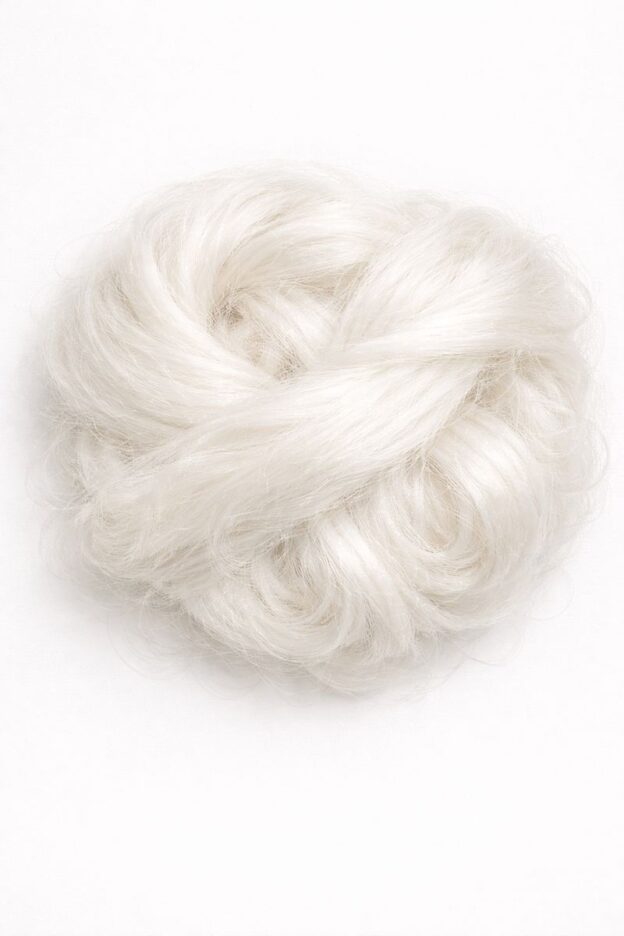
Production
Lyocell is produced by dissolving cellulose directly in an organic solvent rather than using the traditional viscose chemical route. This solvent-based process operates in a closed-loop system, where the solvent and water are recovered and reused at very high rates. The cellulose solution is extruded through spinnerets to form fibers, which are then washed and spun into yarn. The resulting fibers have a highly uniform structure, leading to increased strength and stability compared to viscose and modal. The production process is considered one of the most environmentally responsible methods for producing regenerated cellulose fibers.
Use / Applications
Lyocell is used in textiles that require a balance of comfort, durability, and performance. Its strength and moisture management properties make it suitable for both everyday garments and more demanding textile applications.
Common uses and applications include:
- Apparel such as dresses, shirts, trousers, denim, underwear, and activewear
- Home textiles including bedding, towels, and soft interior fabrics
- Technical and performance textiles requiring breathability and durability
Properties & Aesthetic Qualities
Lyocell fibers are smooth and soft with a refined hand feel and excellent drape. The fiber is highly breathable and absorbs moisture efficiently, helping regulate body temperature. Lyocell retains strength even when wet, making it more durable than traditional viscose fibers. Aesthetically, lyocell can range from matte to softly lustrous and often exhibits a clean, modern surface with subtle fluidity.
Advantages & Limitations
Advantages
Lyocell offers excellent comfort, softness, and breathability combined with high strength and durability. The closed-loop production system significantly reduces environmental impact compared to conventional viscose processes. Lyocell fibers perform well in both dry and wet conditions and are suitable for garments that undergo frequent washing.
Limitations
Lyocell production is more technologically complex and costly than standard viscose, which can affect material price. The fiber can be prone to fibrillation, where fine surface fibers emerge during abrasion, unless properly finished. While more sustainable than many alternatives, lyocell still relies on chemical processing and careful supply chain management.
Sustainability, Care & Variations
Lyocell is derived from renewable wood sources, often grown in responsibly managed plantations that require minimal irrigation and no agricultural chemicals. The closed-loop production process recovers the majority of solvents and water, resulting in a lower environmental footprint. From a care perspective, lyocell garments are generally easy to maintain and can be machine washed gently, though specific finishes may require extra care. Lyocell is frequently blended with fibers such as cotton, wool, or elastane to enhance versatility, structure, or stretch while retaining its characteristic softness and performance.