

Modal
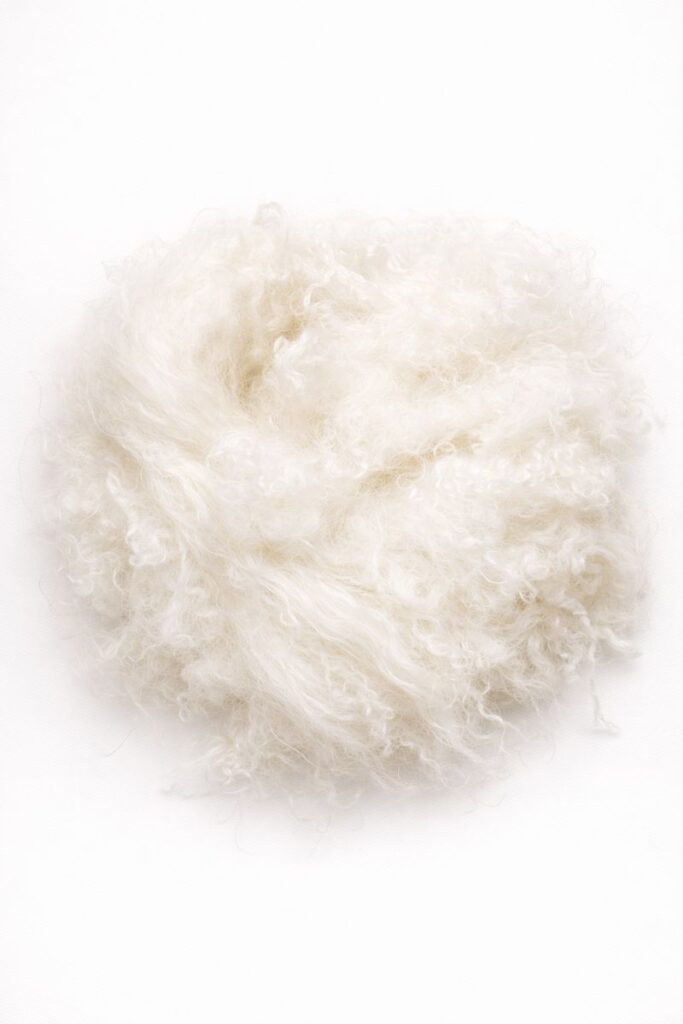
Modal is a regenerated cellulose-based fiber made from wood pulp, most commonly sourced from beech trees. It belongs to the viscose family but is considered a modified or advanced form of viscose due to its improved strength, softness, and dimensional stability. Modal was developed in the mid twentieth century to address some of the performance limitations of traditional viscose, particularly its reduced strength when wet. Today, modal is widely used in fashion and textiles where comfort, durability, and a refined hand feel are essential.
Production
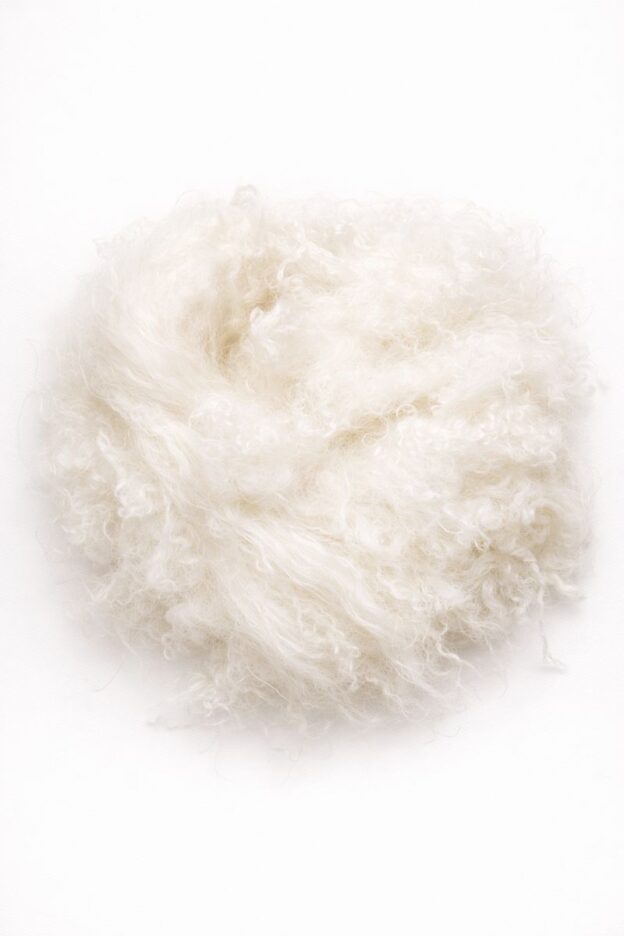
Modal production begins with the extraction of cellulose from sustainably managed wood sources, typically beech. The cellulose is chemically processed into a spinnable solution using a modified viscose process that results in fibers with a more uniform and stable molecular structure. Compared to standard viscose, modal fibers are stretched further during spinning, which increases strength and fiber alignment. While chemical processing is still required, modal production is generally more controlled and efficient, resulting in fibers with enhanced performance characteristics.
Use / Applications
Modal is commonly used in textiles that prioritize softness, comfort, and long-term wearability. Its improved strength and smooth surface make it suitable for garments worn close to the skin as well as for blended fabrics that require durability without sacrificing comfort.
Common uses and applications include:
- Apparel such as underwear, T-shirts, loungewear, dresses, and lightweight knitwear
- Active and leisure garments where softness and moisture management are important
- Blended fabrics used in everyday fashion and premium basics
Properties & Aesthetic Qualities
Modal fibers are exceptionally soft with a smooth, silky hand feel and excellent drape. The fiber is breathable and has good moisture absorption, contributing to comfort in warm conditions. Modal retains its shape well and resists shrinkage better than conventional viscose, even after repeated washing. Aesthetically, modal has a clean, refined surface with a subtle luster that enhances color depth and fabric fluidity.
Advantages & Limitations
Advantages
Modal offers superior softness and comfort combined with improved strength and durability compared to traditional viscose. It maintains shape and smoothness over time and withstands repeated washing better than many regenerated fibers. Modal accepts dyes well, producing rich and long-lasting colors, and is well suited for garments worn close to the skin.
Limitations
Although modal performs better than viscose, it is still dependent on chemical processing and is not fully free from environmental concerns. The fiber is less robust than many synthetic fibers in high-abrasion applications. Modal garments may still require gentle care to maximize lifespan, particularly in lightweight fabric constructions.
Sustainability, Care & Variations
Modal is derived from renewable wood sources, and its sustainability profile depends on responsible forestry and chemical management during production. Many modal fibers on the market are produced using closed-loop or low-impact systems that reduce emissions and chemical waste. From a care perspective, modal garments are relatively easy to maintain and can often be machine washed at low temperatures without significant loss of quality. Modal is frequently blended with cotton, elastane, or polyester to enhance stretch, durability, and versatility while preserving its characteristic softness and drape.