

Olefin (Polypropylene)
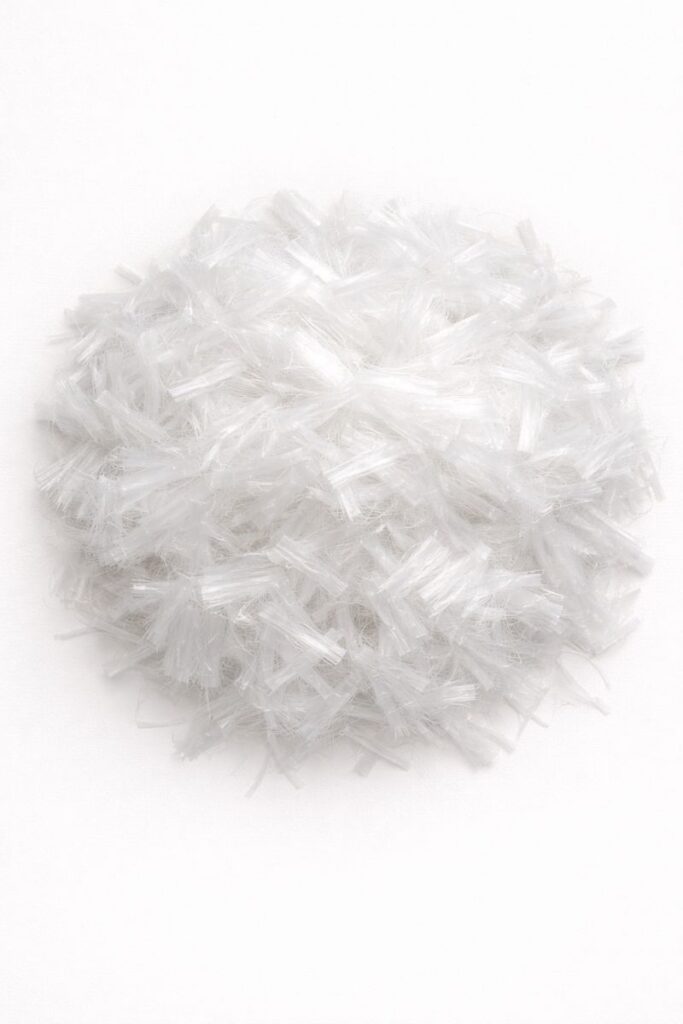
Olefin, also known as polypropylene, is a synthetic fiber derived from petrochemical sources and is valued for its light weight, moisture resistance, and chemical stability. It is one of the lightest textile fibers available and is widely used in functional, industrial, and interior applications rather than fashion-driven garments. Olefin gained prominence in the mid twentieth century as a material suited to performance textiles where durability, low moisture absorption, and resistance to environmental stress are required.
Production
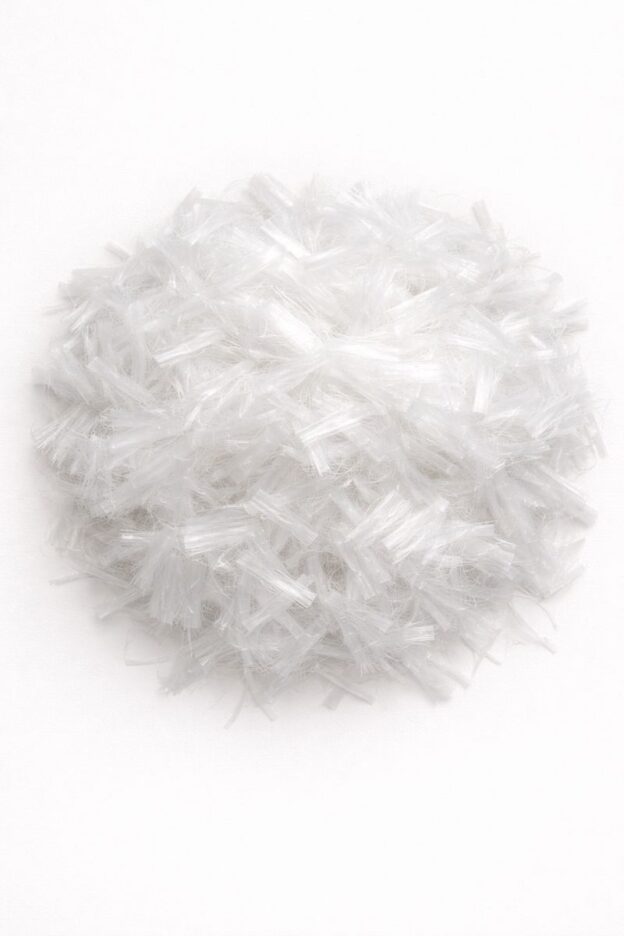
Olefin production begins with the polymerization of propylene to form polypropylene. The molten polymer is extruded through spinnerets to create continuous filaments, which are then cooled and solidified. The fibers may be used as filaments or cut into staple fibers depending on application. Because olefin has a low melting point, processing temperatures must be carefully controlled. The fiber is often solution-dyed during extrusion, as it has limited affinity for conventional dyes.
Use / Applications
Olefin is used primarily in applications where moisture resistance, light weight, and durability are critical. It is less commonly used in apparel and more frequently found in interior, outdoor, and technical textiles.
Common uses and applications include:
- Carpets, rugs, and upholstery fabrics
- Outdoor textiles such as awnings and marine fabrics
- Sportswear and thermal base layers
- Industrial and geotextiles
Properties & Aesthetic Qualities
Olefin fibers are extremely lightweight and have very low moisture absorption, which allows them to dry quickly and resist mold and mildew. The fiber is chemically inert and resistant to stains and chemicals. Aesthetically, olefin has a matte appearance and a relatively smooth surface, but it lacks the refined drape and softness of many other fibers. Its low melting point limits heat resistance.
Advantages & Limitations
Advantages
Olefin is lightweight, durable, and highly resistant to moisture, chemicals, and staining. It performs well in outdoor and high-humidity environments and is comfortable in active and thermal applications due to its quick-drying nature. Olefin is also relatively energy-efficient to produce compared to some other synthetic fibers.
Limitations
Olefin has low heat resistance and can deform or melt when exposed to high temperatures. The fiber has limited breathability and aesthetic refinement, making it less suitable for fashion garments. Olefin is derived from fossil resources and is not biodegradable, contributing to environmental concerns.
Sustainability, Care & Variations
Olefin has a relatively low environmental footprint during production due to efficient polymerization and low energy requirements. However, it is not biodegradable and recycling options are limited compared to polyester. From a care perspective, olefin textiles are easy to maintain and resistant to staining and moisture. Olefin is often used in blends or composite textiles to improve durability, reduce weight, or enhance moisture resistance in functional applications.