

Polyester
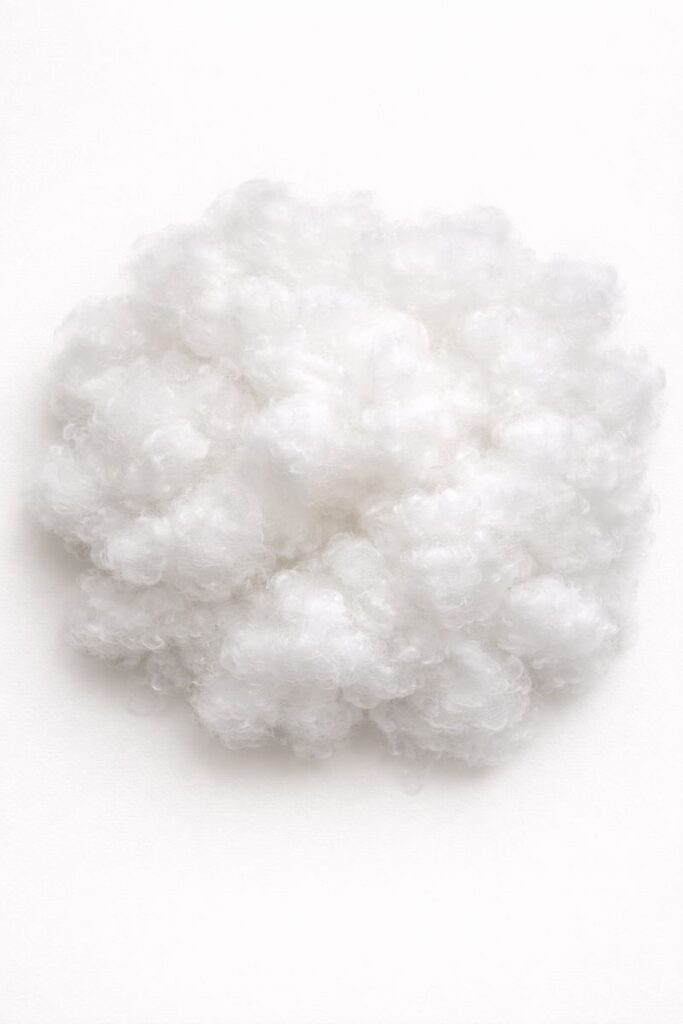
Polyester is a synthetic fiber derived primarily from petrochemical sources and is one of the most widely used textile fibers in the world. It is valued for its strength, durability, dimensional stability, and versatility across a wide range of applications. Since its commercial introduction in the mid twentieth century, polyester has played a central role in the industrialization and globalization of textile production. Today, polyester is used in everything from everyday apparel and sportswear to technical and industrial textiles.
Production
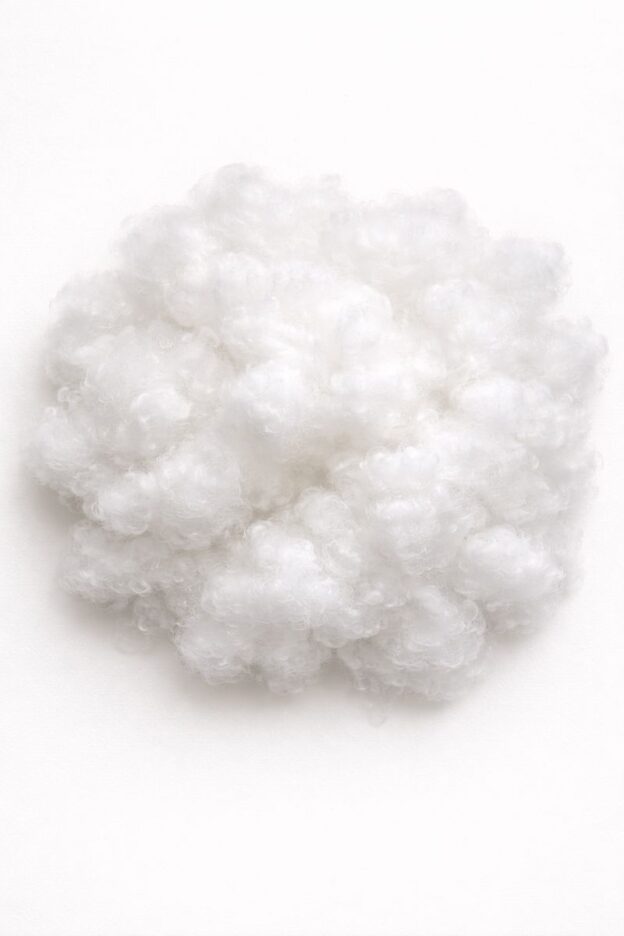
Polyester production begins with the polymerization of petrochemical raw materials to create polyethylene terephthalate, commonly known as PET. The molten polymer is extruded through spinnerets to form continuous filaments, which are cooled and solidified before being drawn to increase strength and orientation. The resulting fibers can be cut into staple fibers or left as filaments, depending on the intended use. Polyester fibers may be further engineered through cross-section modification, texturizing, or surface treatments to achieve specific performance characteristics such as moisture management or softness.
Use / Applications
Polyester is used across nearly all textile categories due to its durability, ease of care, and adaptability. It appears in both standalone fabrics and blends and is widely employed in fashion, interior, and technical textiles.
Common uses and applications include:
- Apparel such as sportswear, outerwear, dresses, shirts, and everyday garments
- Interior textiles including upholstery, curtains, bedding, and carpets
- Technical and industrial textiles such as performance fabrics, filters, and reinforcements
Properties & Aesthetic Qualities
Polyester fibers are strong, lightweight, and dimensionally stable, offering good resistance to stretching, shrinking, and wrinkling. The fiber has low moisture absorption and dries quickly, which contributes to ease of care but can reduce breathability unless engineered. Aesthetically, polyester can be produced with a wide range of surface finishes, from matte to high sheen, and can closely mimic the appearance of natural fibers depending on processing.
Advantages & Limitations
Advantages
Polyester is highly durable and resistant to wear, making it suitable for long-lasting textiles. It maintains shape well, resists wrinkling, and is easy to wash and care for. Polyester is highly versatile and can be engineered to meet specific performance requirements. Its compatibility with recycling systems has led to increased use of recycled polyester in contemporary textiles.
Limitations
Polyester is derived from non-renewable fossil resources and is not biodegradable. The fiber has low moisture absorbency, which can reduce comfort in warm conditions if not properly engineered. Polyester textiles can contribute to microplastic pollution during washing, raising environmental concerns.
Sustainability, Care & Variations
The sustainability of polyester depends heavily on raw material sourcing and end-of-life management. Recycled polyester, often produced from post-consumer plastic bottles, reduces reliance on virgin petrochemicals and lowers energy use. From a care perspective, polyester is easy to maintain and withstands frequent washing. Polyester is frequently blended with fibers such as cotton, wool, or elastane to combine durability with comfort, stretch, or breathability.