

PVC (Polyvinyl Chloride)
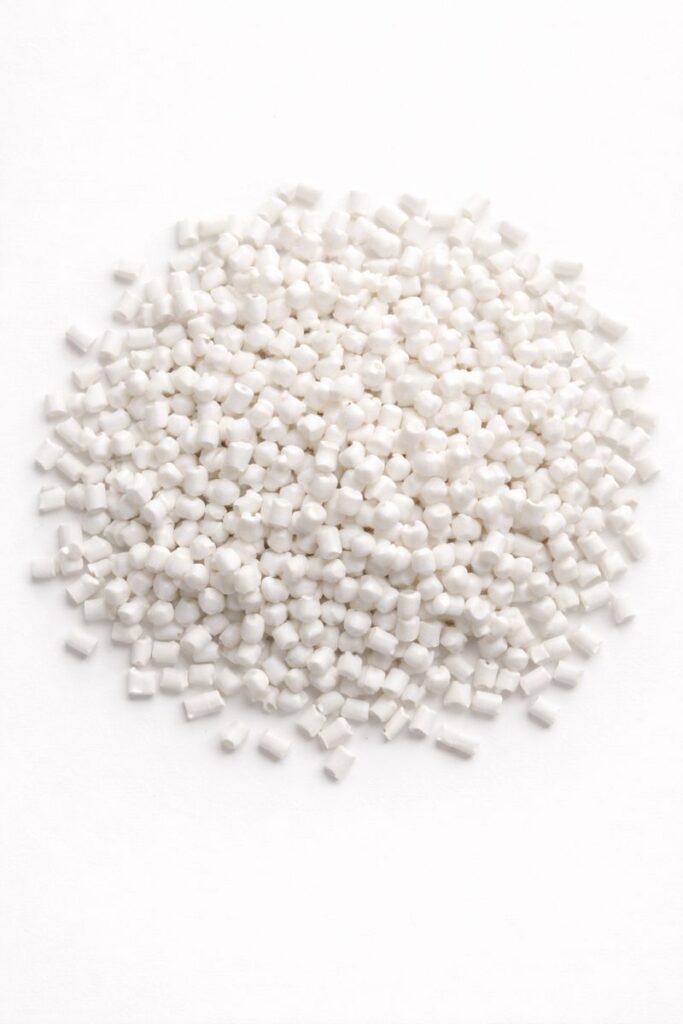
PVC, or polyvinyl chloride, is a synthetic polymer widely used in non-traditional textile applications where durability, water resistance, and surface stability are required. Unlike most textile fibers, PVC is rarely used in spun yarn form and is instead applied as a coating, film, or extruded material. PVC has been used in textiles since the mid twentieth century, particularly in functional, protective, and decorative applications. Its distinctive glossy or matte surface and impermeable properties make it a recognizable material in both fashion and industrial design.
Production
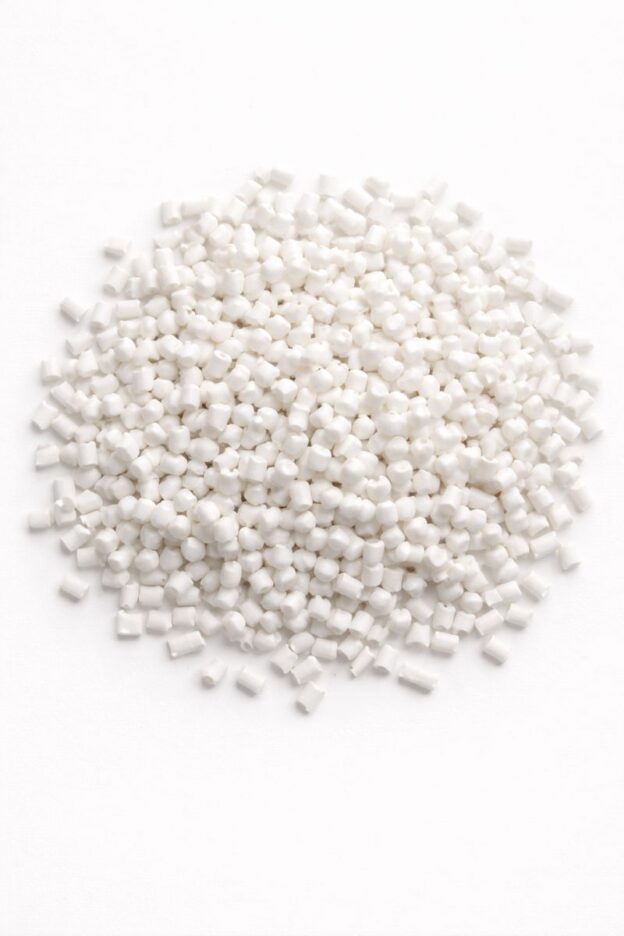
PVC production begins with the polymerization of vinyl chloride monomers to form polyvinyl chloride resin. For textile applications, the material is commonly processed into flexible sheets, films, or coatings by adding plasticizers and stabilizers. These flexible PVC layers are then bonded to textile substrates or used as standalone materials in cut-and-sew applications. PVC can also be extruded into filaments or profiles, though this is less common in apparel textiles. The production process involves chemical additives that significantly influence flexibility, durability, and environmental performance.
Use / Applications
PVC is used in textile-related applications where water resistance, surface durability, and visual impact are prioritized over breathability or comfort. It is most commonly applied in outer layers, accessories, and technical textiles.
Common uses and applications include:
- Rainwear, protective garments, and coated fabrics
- Bags, accessories, and footwear components
- Upholstery, wall coverings, and interior textiles
- Industrial and protective textiles
Properties & Aesthetic Qualities
PVC materials are impermeable to water and air and provide a smooth, continuous surface. The material can be produced with high gloss, matte, or textured finishes and is available in a wide range of colors. PVC is durable and resistant to abrasion and chemicals, but it lacks breathability and flexibility compared to many textile fibers. Over time, plasticizers may migrate, affecting softness and surface performance.
Advantages & Limitations
Advantages
PVC offers excellent water resistance and surface durability, making it suitable for protective and outdoor applications. It is versatile in appearance and can be easily cleaned and maintained. PVC-coated textiles provide structural stability and are resistant to many chemicals and environmental stresses.
Limitations
PVC is derived from fossil resources and involves chlorine-based chemistry, raising environmental and health concerns. The material is not biodegradable and is difficult to recycle, particularly when combined with textile substrates. PVC lacks breathability and comfort, limiting its suitability for garments worn close to the skin.
Sustainability, Care & Variations
PVC has a challenging sustainability profile due to its chemical composition, additive use, and limited recyclability. From a care perspective, PVC textiles are easy to clean and resistant to moisture but should be protected from excessive heat, which can cause deformation. In recent years, alternatives such as bio-based or phthalate-free PVC formulations and non-PVC coated textiles have been explored to reduce environmental impact while maintaining functional performance.