

Silk
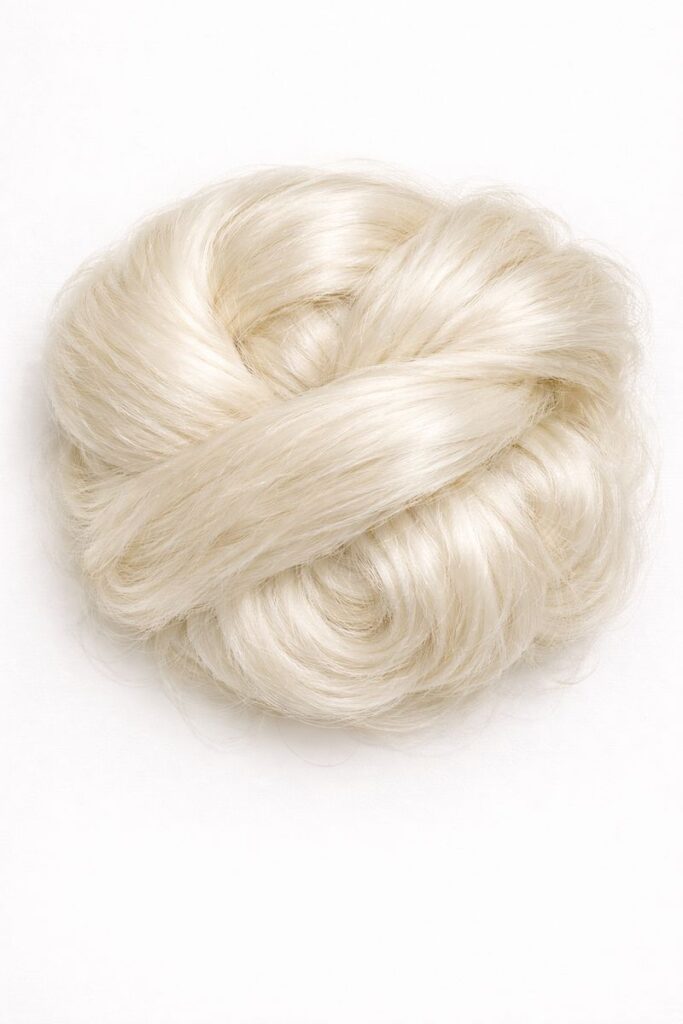
Silk is a natural protein-based fiber produced by silkworms during the cocoon-spinning process. It is widely recognized for its smooth surface, natural luster, and lightweight yet strong structure. Silk has been used for thousands of years and has long been associated with luxury, craftsmanship, and refined textile production. Originating in ancient China, silk was historically a closely guarded resource and became one of the most valuable commodities traded along the Silk Road. Today, silk continues to occupy a distinctive position in fashion and interior textiles due to its unique aesthetic and tactile qualities.
Production
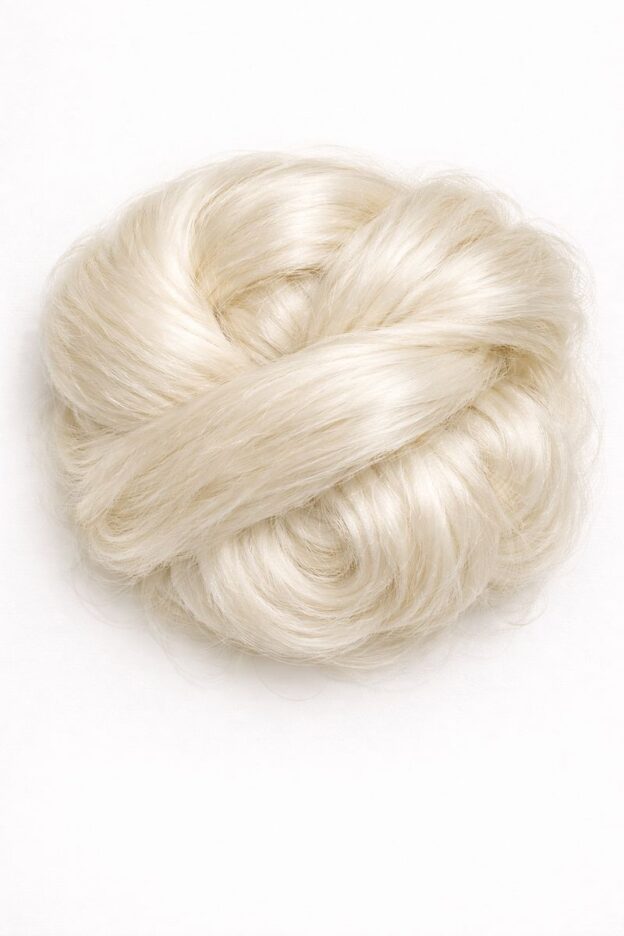
Silk production begins with the cultivation of silkworms, which feed primarily on mulberry leaves. As the silkworm spins its cocoon, it produces a continuous filament of silk protein. These cocoons are harvested and carefully unwound through a reeling process to obtain long, fine filaments. Multiple filaments are combined to form silk yarn, which can then be woven or knitted into fabric. The production process requires precise temperature control and skilled handling, as the filaments are delicate and can be damaged during processing. Variations in processing methods result in different types of silk with distinct textures and performance characteristics.
Use / Applications
Silk is used in textiles where softness, drape, and visual elegance are central considerations. It is commonly applied in garments and products that prioritize aesthetic expression and comfort rather than heavy wear or durability. Silk is also used in blended fabrics to introduce luster and smoothness.
Common uses and applications include:
- Apparel such as dresses, blouses, shirts, scarves, lingerie, and eveningwear
- Interior textiles including decorative cushions, wall coverings, and lightweight drapery
- Fabric constructions such as charmeuse, satin, chiffon, organza, and crepe
Advantages & Limitations
Advantages
Silk offers a unique combination of softness, luster, and drape that is difficult to replicate with other fibers. It provides a luxurious tactile experience and a refined visual appearance, making it highly desirable in high-end fashion and design. Silk is lightweight, breathable, and comfortable to wear, and its natural protein structure contributes to good strength relative to its fineness.
Limitations
Silk is sensitive to sunlight, heat, and moisture, which can weaken the fibers and cause discoloration over time. It generally requires careful handling and specialized cleaning, limiting its suitability for everyday or high-wear applications. Silk production is labor-intensive and costly, which affects availability and price. The fiber also has limited elasticity, which can restrict comfort in more fitted garments.
Properties & Aesthetic Qualities
Silk is characterized by an exceptionally smooth hand feel and a natural sheen that results from the triangular structure of its fibers, which reflect light at multiple angles. It has excellent drape and fluidity, allowing garments to move softly with the body. Silk is breathable and offers moderate thermal regulation, providing comfort in both warm and cooler conditions. Despite its delicate appearance, silk is relatively strong for a natural fiber, although it can lose strength when exposed to prolonged moisture or sunlight.
Sustainability, Care & Variations
Silk is a natural and biodegradable fiber, but its sustainability profile depends heavily on production methods and resource use. Traditional silk production involves intensive labor and energy inputs, and ethical considerations related to silkworm cultivation are increasingly discussed. From a care perspective, silk requires gentle washing or dry cleaning and should be protected from prolonged exposure to sunlight and heat. Silk is often blended with fibers such as cotton, wool, or synthetic filaments to improve durability, reduce cost, or modify performance while retaining its characteristic luster and softness.