

Sisal
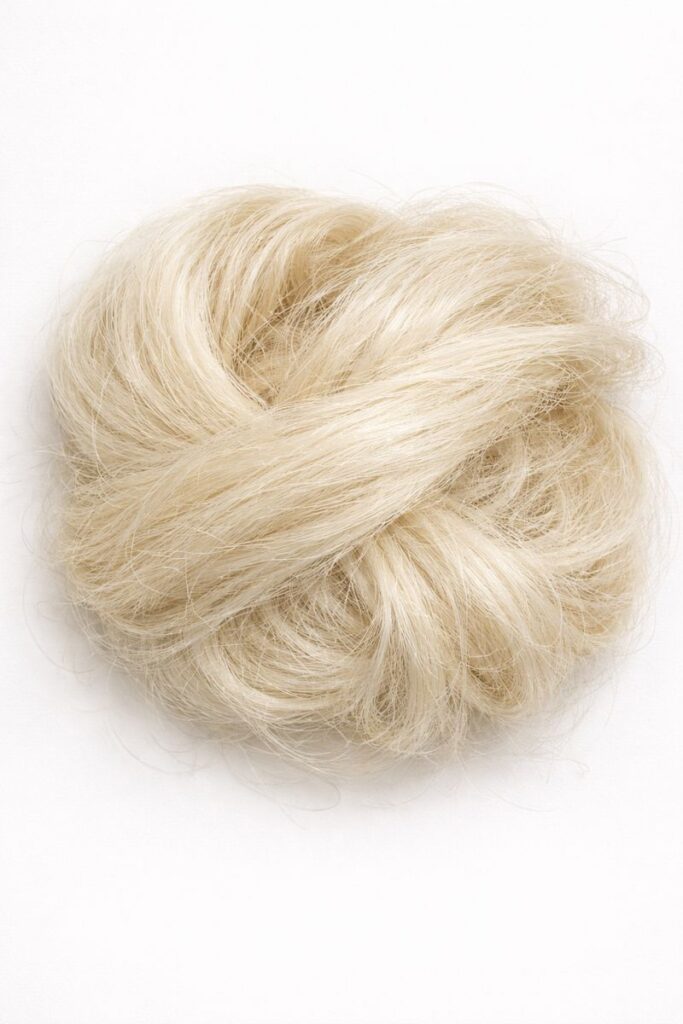
Sisal is a natural plant-based fiber obtained from the leaves of the agave sisalana plant. It is known for its exceptional strength, rigidity, and durability and is primarily used in industrial and interior textile applications rather than apparel. Sisal has been cultivated for centuries in regions with arid and semi-arid climates and has played an important role in rope, cordage, and agricultural textiles. Today, sisal is valued for its natural appearance, biodegradability, and suitability for heavy-duty applications.
Production
Sisal production begins with harvesting mature agave leaves, which contain long, strong fibers. The fibers are extracted through mechanical decortication, a process that crushes the leaves and scrapes away pulp to isolate the fibrous strands. After extraction, the fibers are washed to remove plant residue, then dried and graded according to length, strength, and color. Sisal fibers are typically spun into coarse yarns or used directly in nonwoven or twisted forms. The production process is relatively simple and relies primarily on mechanical processing, with limited chemical input.
Use / Applications
Sisal is used in applications where strength, abrasion resistance, and structural integrity are essential. Due to its coarse texture and stiffness, sisal is rarely used in garments but is widely applied in interior, industrial, and agricultural textiles.
Common uses and applications include:
- Ropes, twines, and cords
- Carpets, rugs, and floor coverings
- Upholstery backing and reinforcement materials
- Agricultural and industrial textiles
Properties & Aesthetic Qualities
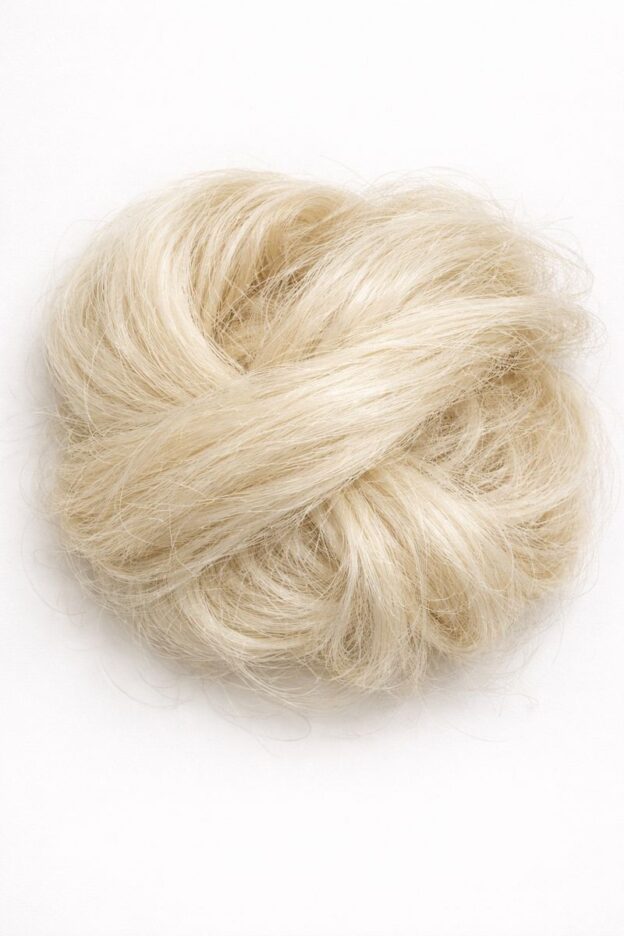
Sisal fibers are stiff, coarse, and highly durable, with a natural off-white to pale yellow color. They have low elasticity and limited flexibility, resulting in rigid structures that maintain their shape under stress. Aesthetically, sisal conveys a raw, utilitarian character and is often used to emphasize natural texture and structural honesty rather than softness or refinement.
Advantages & Limitations
Advantages
Sisal is an extremely strong and abrasion-resistant fiber, making it well suited for heavy-duty and load-bearing applications. It is biodegradable and derived from a renewable plant source, contributing to a relatively low environmental impact. Sisal fibers also perform well in dry environments and offer good resistance to static electricity.
Limitations
Sisal has very limited softness and flexibility, which makes it unsuitable for garments or products worn close to the skin. The fiber is sensitive to prolonged exposure to moisture, which can weaken its structure and reduce durability. Sisal textiles can be brittle over time and require careful handling to prevent fiber breakage.
Sustainability, Care & Variations
Sisal is considered an environmentally responsible fiber due to its low chemical requirements, biodegradability, and ability to grow in arid regions with minimal irrigation. From a care perspective, sisal products should be kept dry and cleaned gently, as moisture can compromise fiber strength. Sisal is sometimes blended with other natural or synthetic fibers to improve flexibility and expand its use in interior and industrial textile applications.