

Viscose
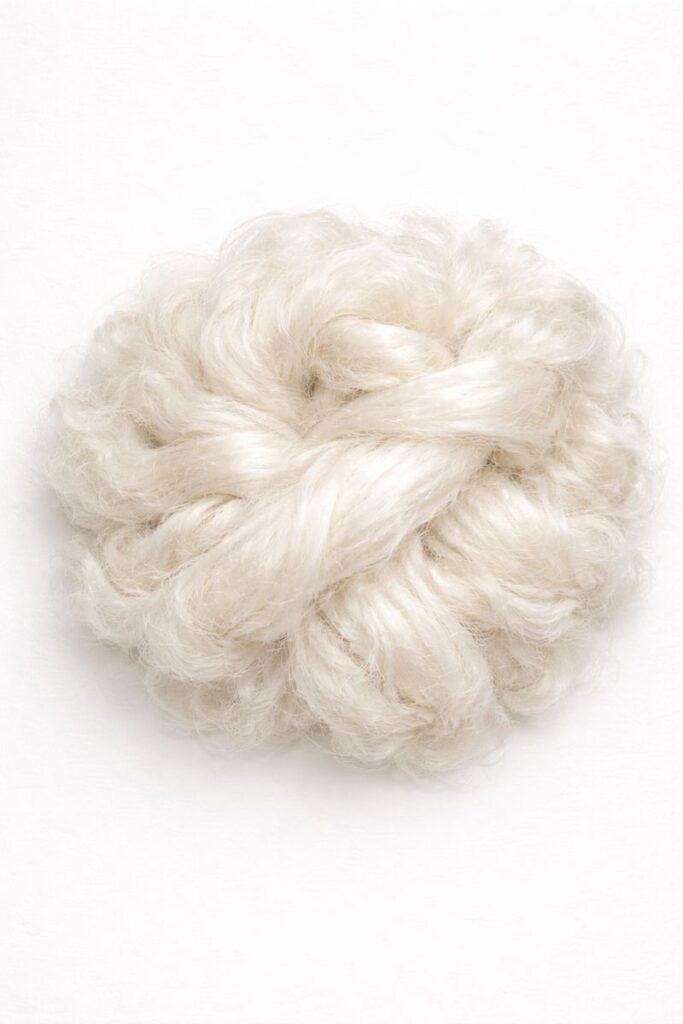
Viscose is a regenerated cellulose-based fiber made from natural plant materials, most commonly wood pulp. Although derived from renewable sources, viscose is classified as a semi-synthetic fiber due to the chemical processes involved in transforming cellulose into a spinnable form. Viscose was developed in the late nineteenth century as an alternative to silk and has since become one of the most widely used regenerated fibers in the textile industry. It is valued for its softness, breathability, and fluid drape, which closely resemble those of natural fibers.
Production
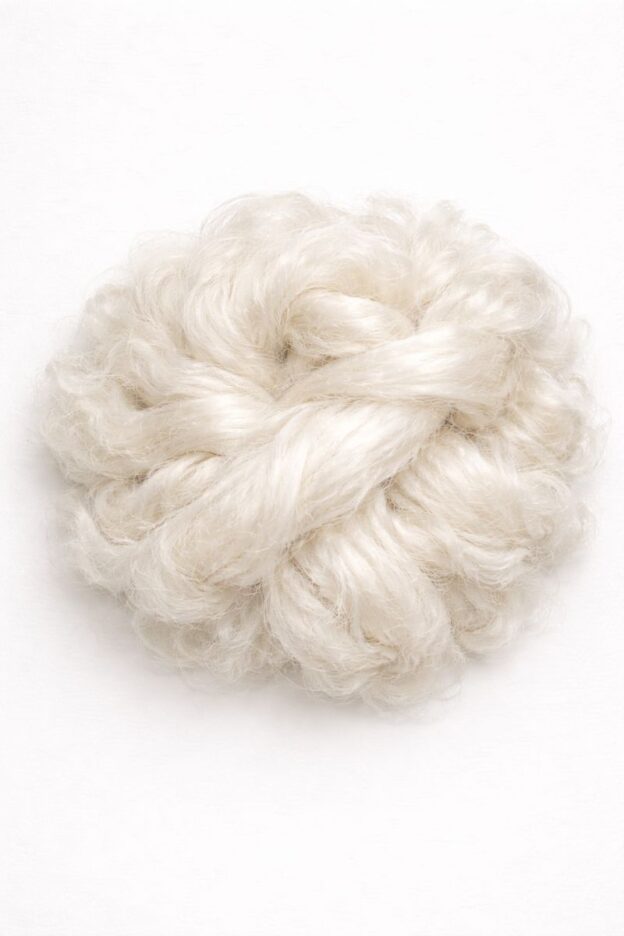
Viscose production begins with the extraction of cellulose from wood pulp, typically sourced from trees such as beech, pine, or eucalyptus. The cellulose is chemically treated to create a viscous solution, which is then extruded through spinnerets to form filaments. These filaments are regenerated into solid fibers, washed, and spun into yarn. The most common manufacturing route is the viscose process, which requires careful management of chemicals and water. The environmental impact of viscose production depends heavily on sourcing practices and the efficiency of chemical recovery systems.
Use / Applications
Viscose is widely used in textiles where comfort, softness, and drape are important. It is frequently applied as a silk-like or cotton-like alternative in garments that require a fluid silhouette and a pleasant feel against the skin.
Common uses and applications include:
- Apparel such as dresses, blouses, shirts, skirts, trousers, and linings
- Interior textiles including lightweight curtains, bedding, and decorative fabrics
- Fabric constructions such as plain weave, twill, satin, and jersey
Properties & Aesthetic Qualities
Viscose fibers have a soft, smooth hand feel and excellent drape, allowing fabrics to flow naturally with the body. The fiber is breathable and comfortable to wear, particularly in warm conditions. Viscose has moderate strength when dry but loses strength when wet, which can affect durability and care requirements. Aesthetically, viscose can appear matte or subtly lustrous depending on processing and finishing, making it adaptable to a wide range of design expressions.
Advantages & Limitations
Advantages
Viscose offers many of the comfort and aesthetic qualities of natural fibers while remaining versatile and relatively affordable. It is breathable, lightweight, and pleasant to wear and accepts dyes easily, producing rich and even colors. Its fluid drape makes it especially suitable for garments with soft silhouettes and movement.
Limitations
Viscose fibers are weaker when wet and can be prone to shrinkage and deformation if not properly cared for. The production process involves chemical treatments that can have significant environmental impacts if not responsibly managed. Viscose textiles often require gentle washing or dry cleaning to maintain shape and appearance.
Sustainability, Care & Variations
The sustainability profile of viscose depends largely on responsible forestry practices and the use of closed-loop production systems that recover and reuse chemicals. When produced responsibly, viscose can be part of a more sustainable material strategy. From a care perspective, viscose garments should be washed gently at low temperatures to reduce fiber damage. Viscose exists in several modified forms, such as modal and lyocell, which are engineered to improve strength, durability, and environmental performance while retaining the fiber’s characteristic softness and drape.