

Yak
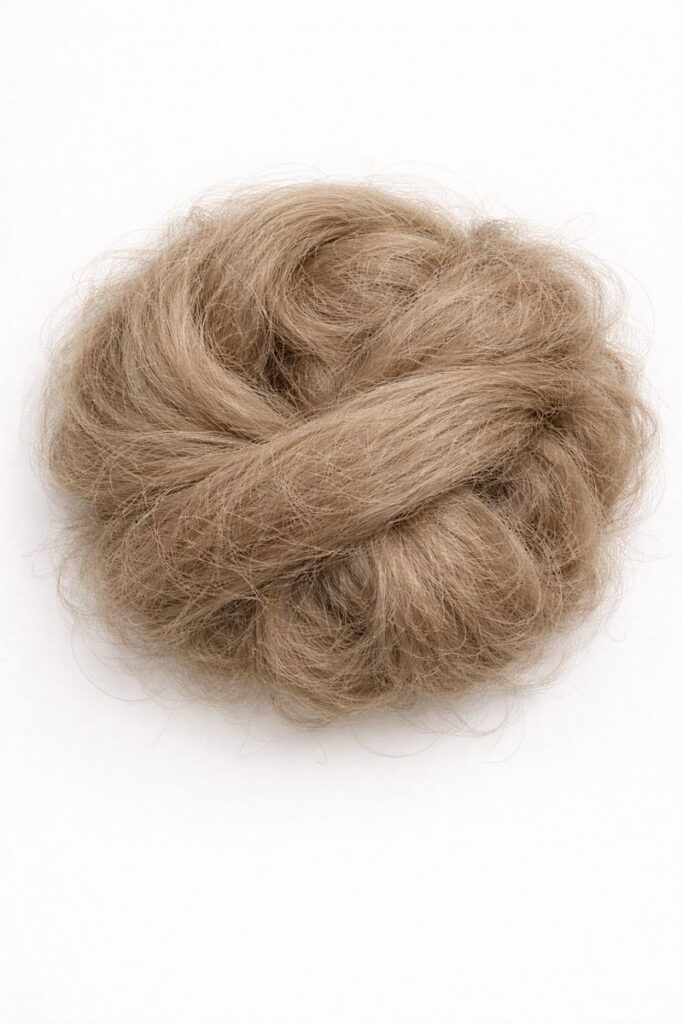
Yak fiber is a natural animal-based fiber obtained from the soft undercoat of the yak, a long-haired bovine native to the high-altitude regions of Central Asia, particularly the Himalayas, Tibet, and Mongolia. The fiber is valued for its exceptional warmth, softness, and ability to provide insulation in extreme cold climates. Traditionally used by local populations for centuries, yak fiber has gained broader recognition in recent years as a luxury alternative to cashmere, offering similar comfort with a more rugged and natural character.
Production
Yak fiber is collected during the natural molting season, when the animals shed their fine undercoat. The fibers are gathered through combing rather than shearing, which helps preserve fiber quality and animal welfare. The raw material contains both coarse outer hairs and fine down fibers, which must be carefully separated during processing. After dehairing and cleaning, the fine fibers are spun into yarn and woven or knitted into fabric. The limited availability of high-quality yak fiber and the labor-intensive collection process contribute to its relatively small-scale production.
Use / Applications
Yak fiber is primarily used in cold-weather garments and accessories where warmth, softness, and durability are key considerations. Its performance characteristics make it suitable for both everyday wear and high-end knitwear.
Common uses and applications include:
- Knitwear such as sweaters, cardigans, scarves, and shawls
- Outerwear including coats and layered garments
- Accessories such as hats, gloves, and wraps
Properties & Aesthetic Qualities
Yak fibers are fine and soft, with a slightly drier hand feel compared to cashmere. The fiber offers excellent thermal insulation and retains warmth even in harsh conditions. Yak has a natural matte appearance and is often used in its undyed state, showcasing earthy tones such as brown, gray, and black. The fiber drapes well and provides a balance between softness and durability.
Advantages & Limitations
Advantages
Yak fiber provides outstanding warmth while remaining lightweight and breathable. It is naturally soft and comfortable against the skin and offers greater durability than some finer luxury fibers. Yak is often used in its natural colors, reducing the need for dyeing and associated environmental impact.
Limitations
Yak fiber is less widely available than cashmere or wool, which limits production scale and increases cost. The fiber can feel slightly coarser than cashmere, particularly in lower-grade qualities. Yak garments typically require careful handling and gentle care to preserve softness and appearance.
Sustainability, Care & Variations
Yak fiber is renewable and typically harvested through traditional, low-impact methods that align with animal welfare and local ecosystems. The animals graze naturally in high-altitude environments, often without intensive agricultural inputs. From a care perspective, yak textiles should be washed gently or dry cleaned to prevent fiber damage. Yak is sometimes blended with fibers such as wool, cashmere, or silk to adjust softness, durability, and cost while maintaining its thermal performance.