

There are two main types of yarn: staple yarn (also called spun yarn) made with shorter fibers, and filament yarn, made from long continuous filament fibers. The yarn spinning process which brings fibers together can be done by machine or hand, providing different qualities and creating different yarn structures. Factors such as the length of the fiber, yarn count, and twist direction can all contribute to the appearance, strength, and other properties of fabrics.
Staple Yarn
Staple or spun yarn are fibers that are short in length. Staple fibers must he spun or twisted together to make a long, continuous strand of yam. Staple yarns can contain a single type of fiber or can be blended with various types – most commonly synthetic with natural fibers.
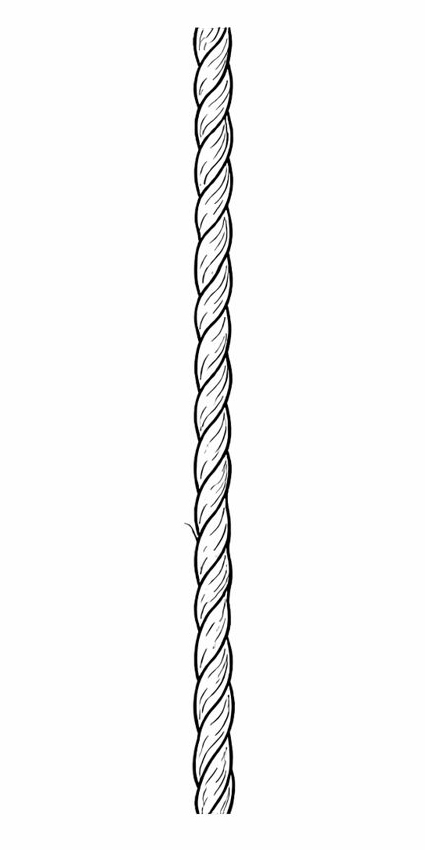
Ring Spinning
- Oldest spinning method
- Silvers are drafted into rovings and twisted into yarns before being wound onto the bobbin
- Results in strong yarn
- Finest yarn
- Large range of yarn count
- Suitable for all staple fibers
- Slowest production rate
- More steps required
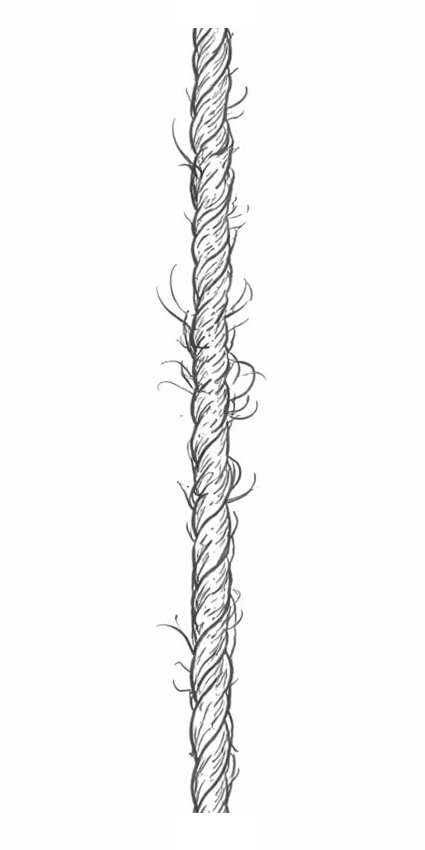
Open-End Friction Spinning
- 1970s and early 1980s
- Spun from silvers using spinning rotor with withdrawal system to create false twisted yarns
- Results in week yarn
- Less well aligned yarn
- Small range yarn
- Not suitable for man-made fibers, except rayon
- Faster production rate than ring spinning
- Fewer steps needed
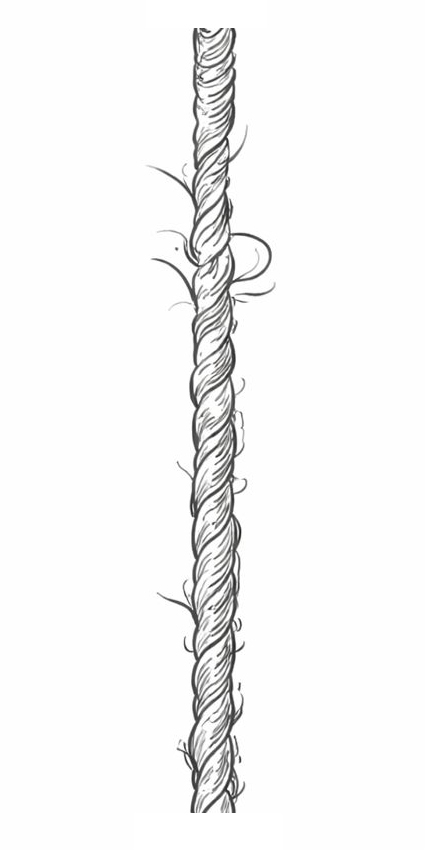
Open-End Rotor Spinning
- 1970s and early 1980s
- Spun from silvers using spinning rotor with withdrawal system to create false twisted yarns
- Results in week yarn
- Less well aligned yarn
- Small range yarn
- Not suitable for man-made fibers, except rayon
- Faster production rate than ring spinning
- Fewer steps needed
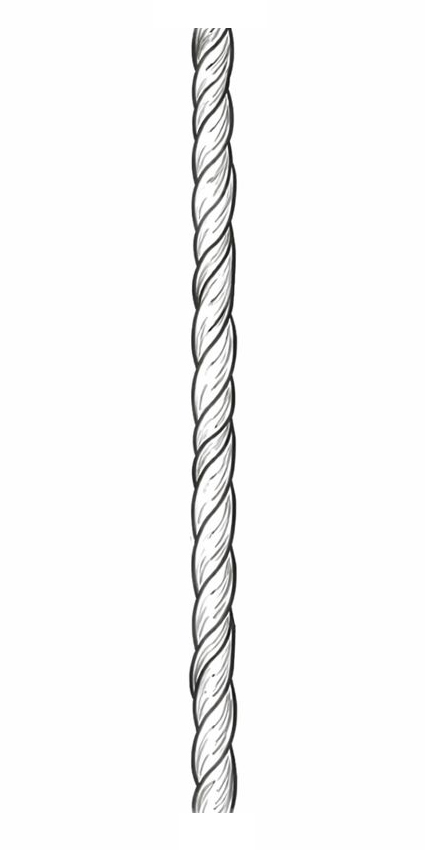
Air Jet Spinning
- Early 1980s
- Silvers are drafted and fed into a vortex created by high-speed air jets to create false twists
- Results in week yarn
- Less well aligned yarn
- Small range yarn
- Commonly used for producing polyester
- Fastest production rate (20 times faster than ring spinning)
- Fewer steps needed
Filament Yarn
Filament yarn is yarn that is continuous in length. By forcing liquid or semi-liquid polymers through small holes, a single or multiple filament yarn is created. Filament yarns can be grouped into bundles. and cut into desired staple lengths. Silk is the only natural filament yarn.
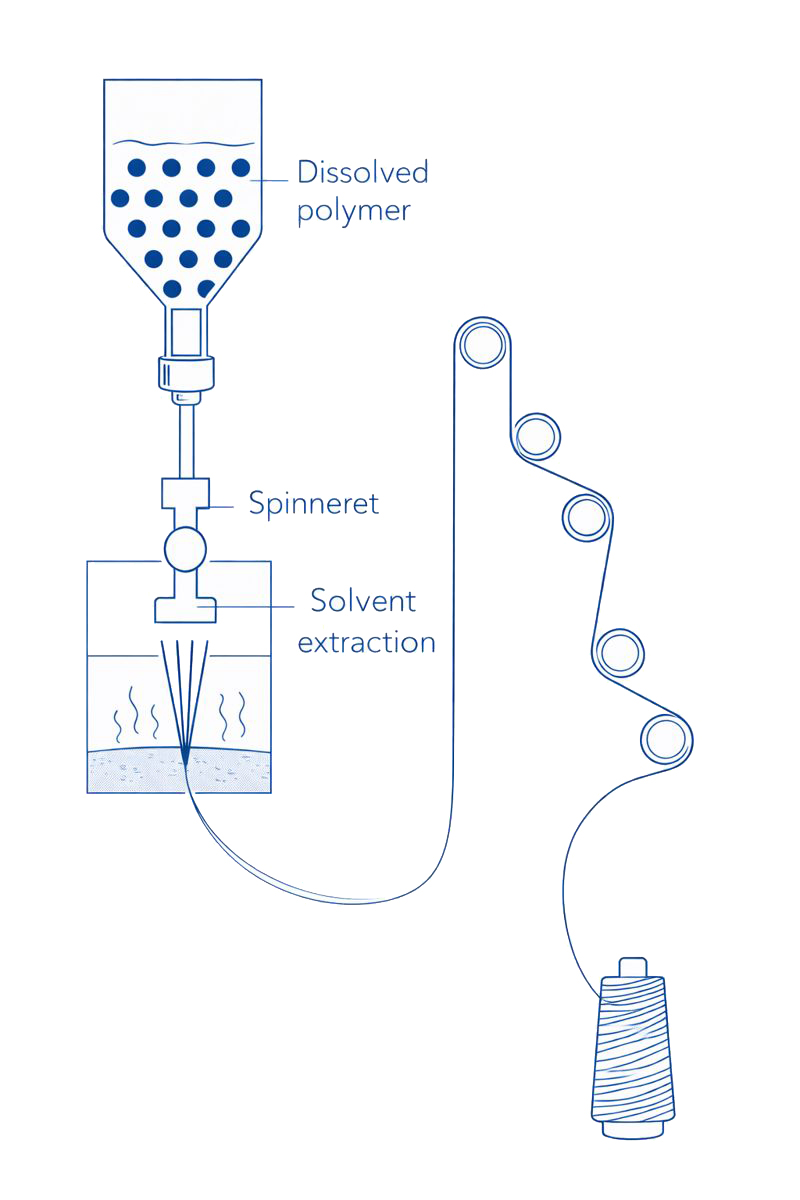
Wet Spinning
- Polymers are dissolved in solvent and extruded directly into a liquid bath
- Viscose rayon, acrylic, aramid, spandex
- Low investment cost
- Small amount of yarn production
- Toxic production process
- Slow production rate
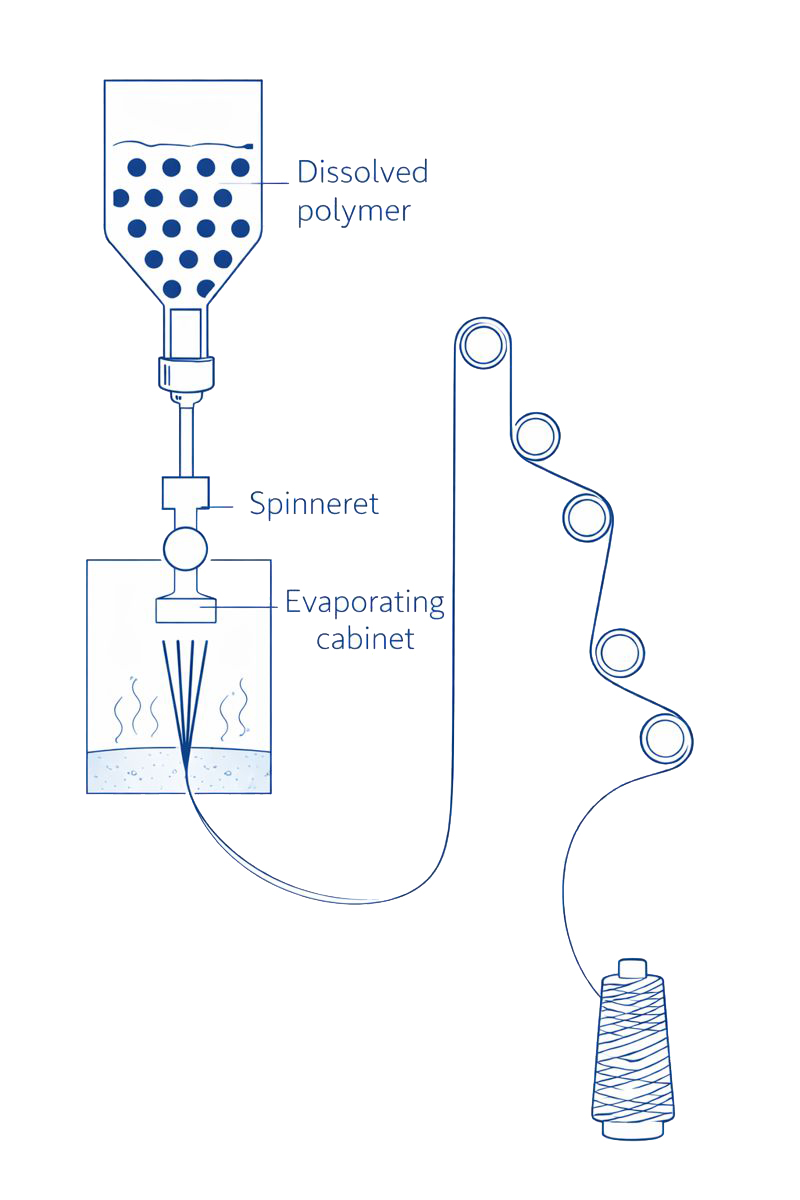
Dry Spinning
- Polymers are dissolved In a volatile solvent which evaporates when extruded
- Acetate, acrylic
- High investment cost
- Small amount of yarn production
- Toxic production process, risk of explosion
- Fast production rate
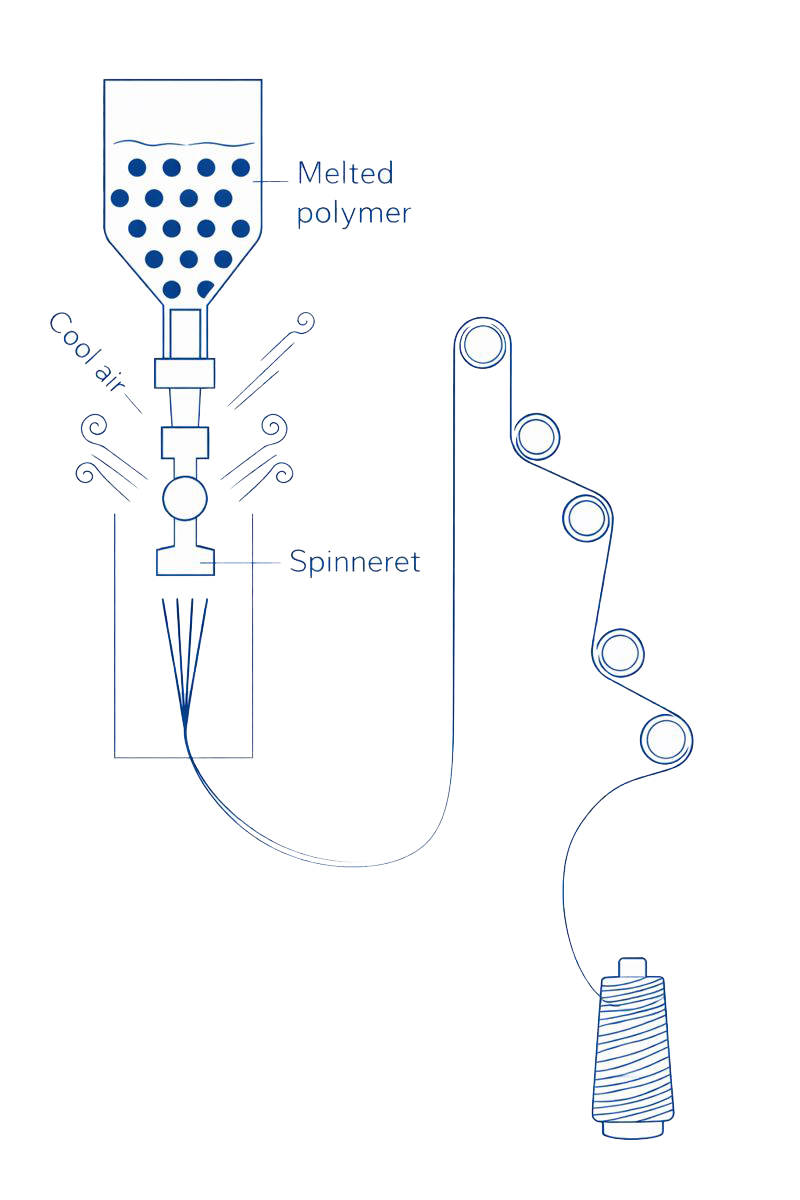
Melt Spinning
- Polymer granules are melted and then extruded through the spin head
- Polyester, nylon
- Low investment cost
- Larger amount of yarn production
- Non-toxic production process
- Fastest production rate
Processing Yarn
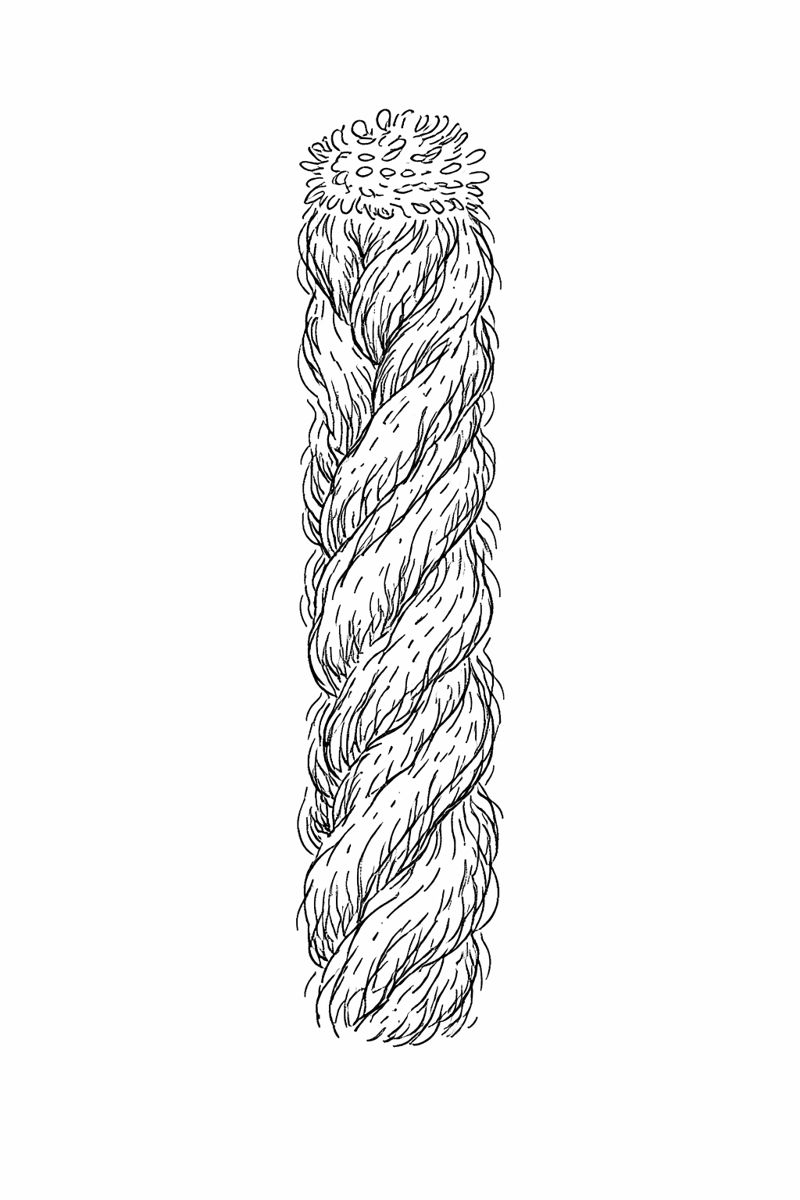 CardedA low cost yarn production process creating fuzzy yarn for lightweight fabric. | 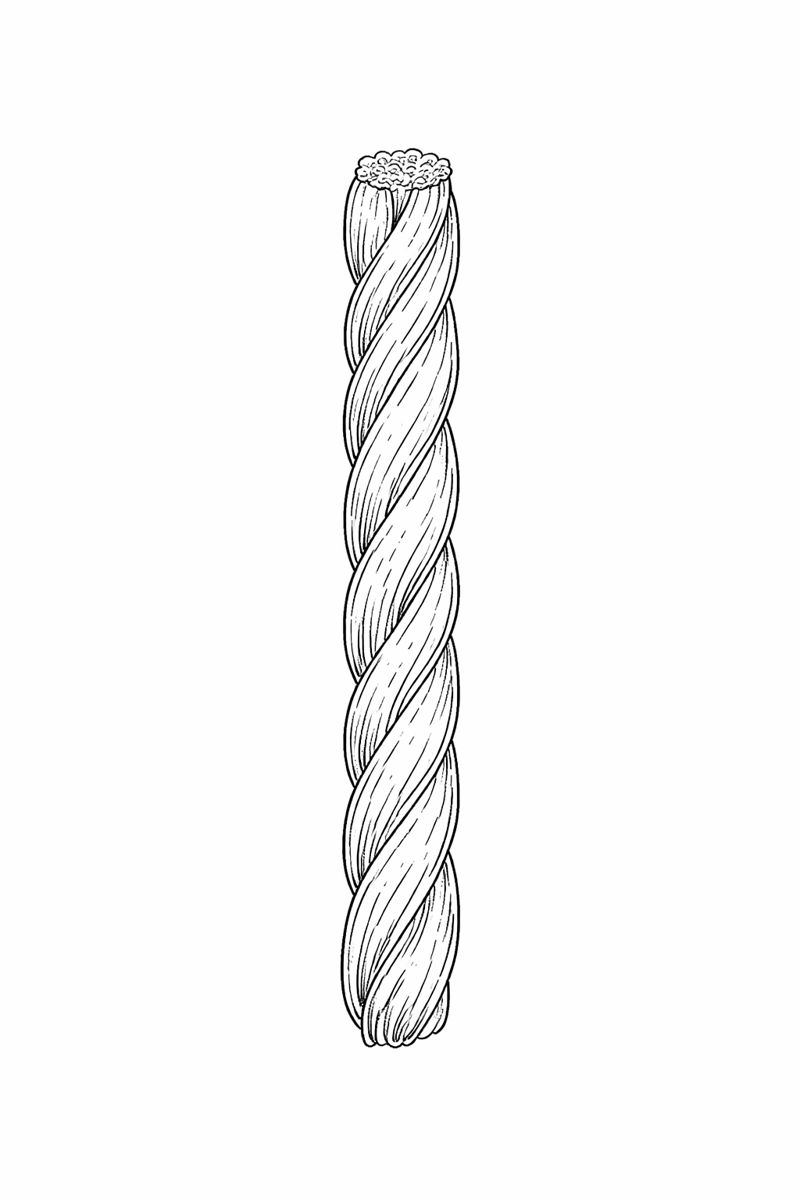 CombedA more expensive yarn production process creating smoother and softer yarn. This method includes carding and additional processes that produce more waste. | 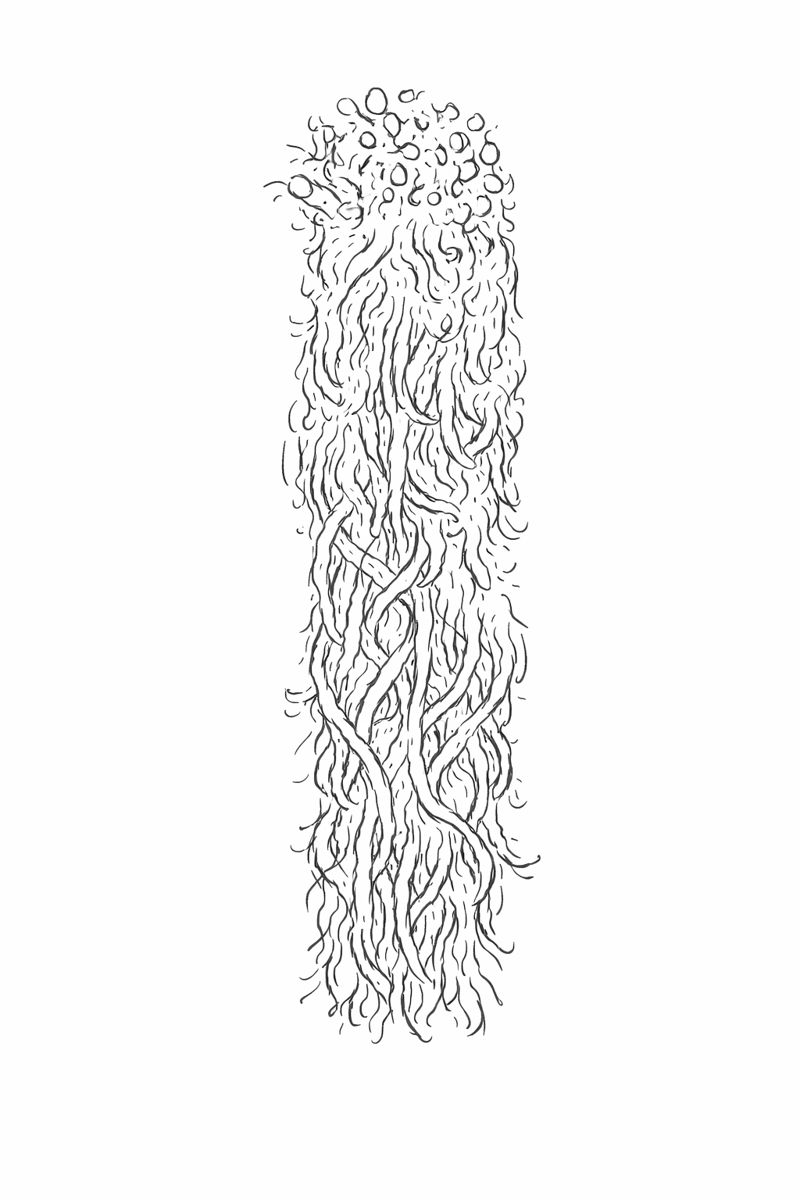 WoolenWoolen threads are uneven fiber made from carded and uneven fibers. | 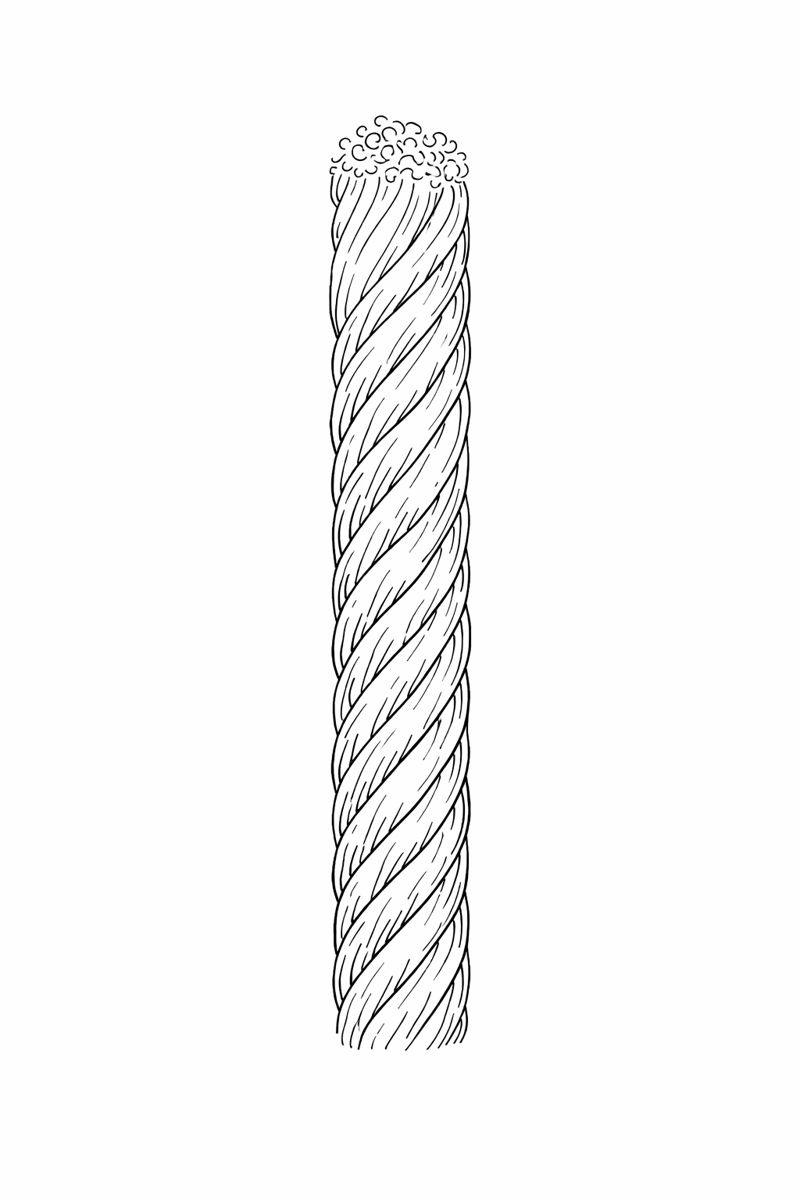 WorstedWorsted yarns are combed wool yarn made from paralleled wool fibers. |
|
Fiber | Cotton, waste silk, plant fiber, hair or wool fibers, and synthetic staple fibers. | Fine cotton and all fibers after carding. | ||
Fiber Length | Short, medium and long length of fibers. | Long staple fibers. | 25.4 – 76.2mm short fibers. | 76.2mm or above long staple fibers. |
Characteristics | • Non-uniformed • Usually coarser to touch • Easily shrunk | • Straight and aligned fiber • Soft and smooth to the touch • Lustrous in appearance | • Bulky and uneven • Slackly twisted • Soft and hairy | • Fine and even • Tightly twisted • Soft and hairy |
Ply Yarn
While all yarns are originally spun as a single yarns. they may be twisted together to produce a “ply yarn” for different end uses. One of the most commonly produced yarns is 2-ply yarn which is formed by twisted single yarns together with the ply twist opposite to the direction of the yarn twist. Yarns with a higher ply number can create longer and less wrinkly fabrics.
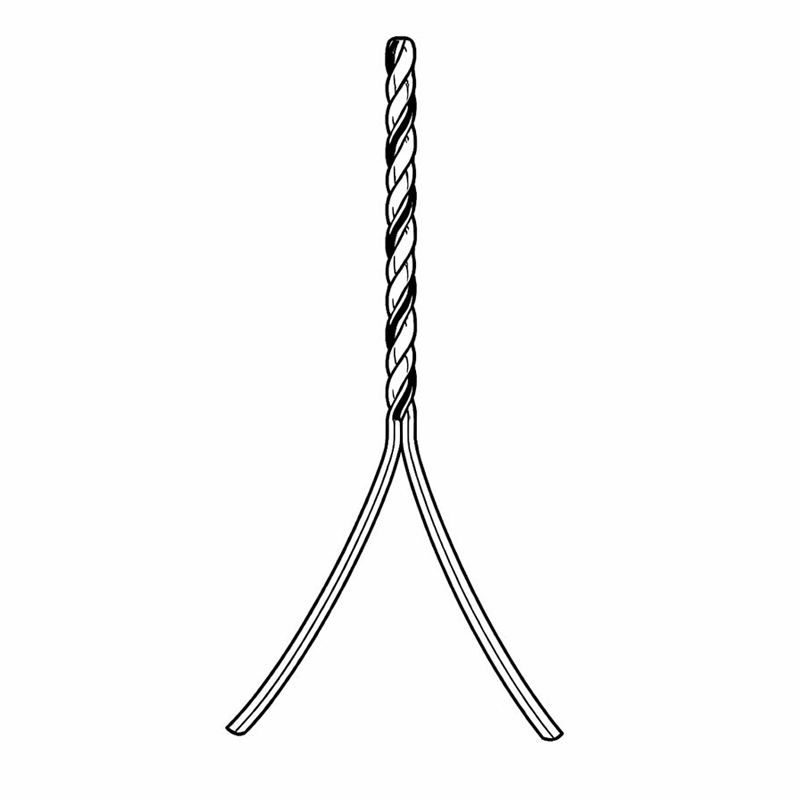
2-PLY
Two single yarns twisted together to increase strength, balance, and durability compared to a single yarn.
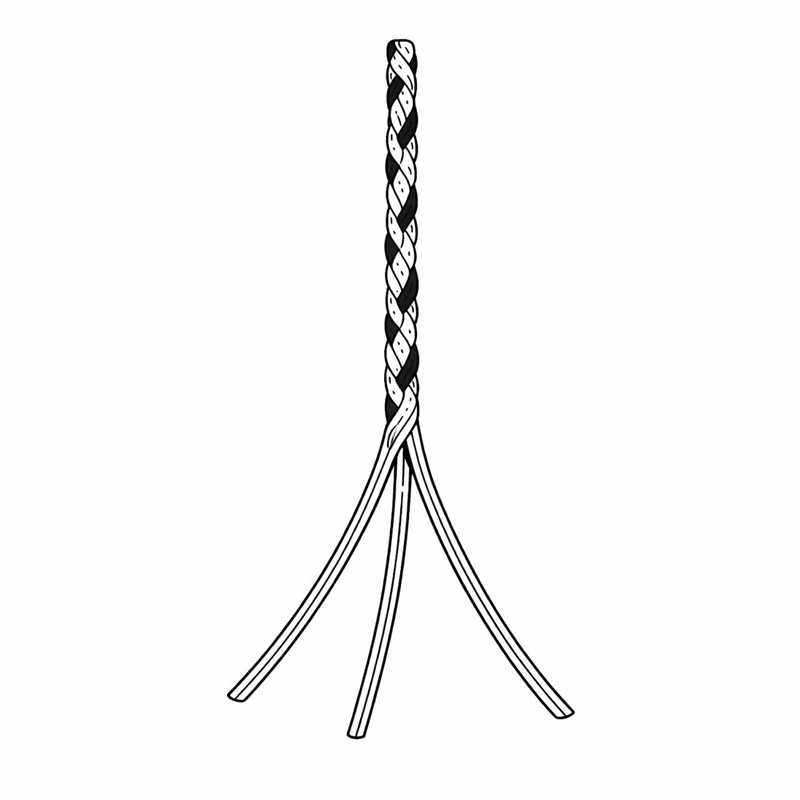
3-PLY
Three single yarns twisted together, creating a rounder yarn with improved stability and more uniform fabric structure.
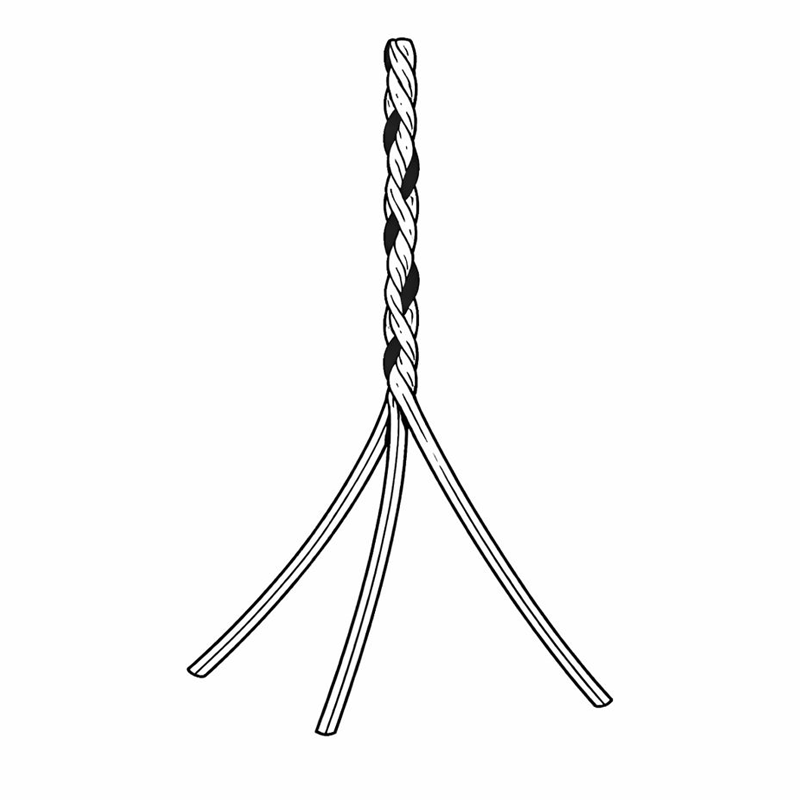
3-PLY Crepe
Three highly twisted yarns combined to create a crepe effect, resulting in a lively, textured surface with natural elasticity.
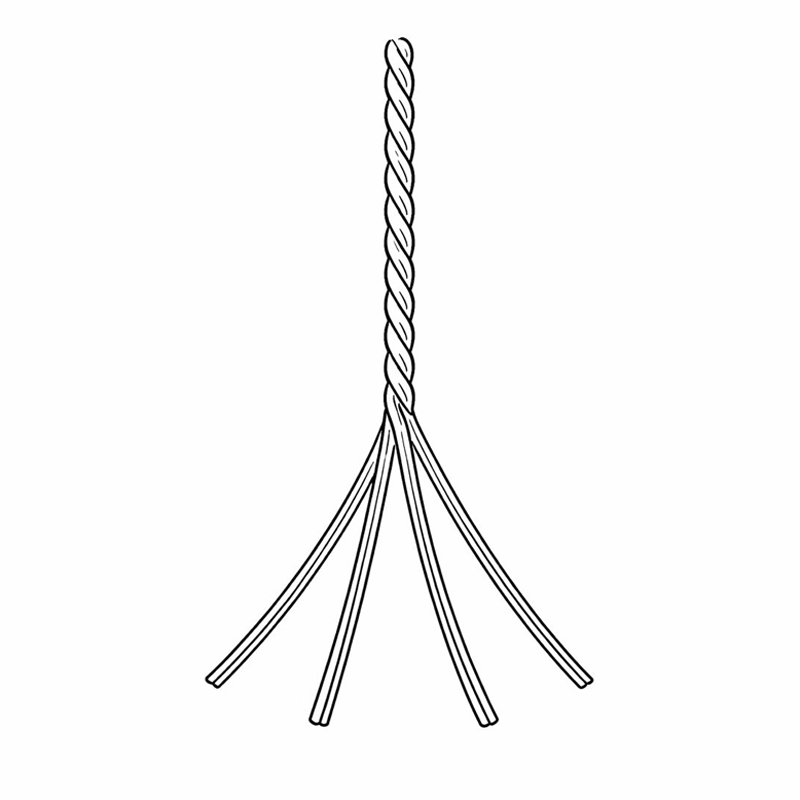
4-PLY
Four single yarns twisted together, producing a stronger, smoother yarn with reduced wrinkling and increased fabric body.
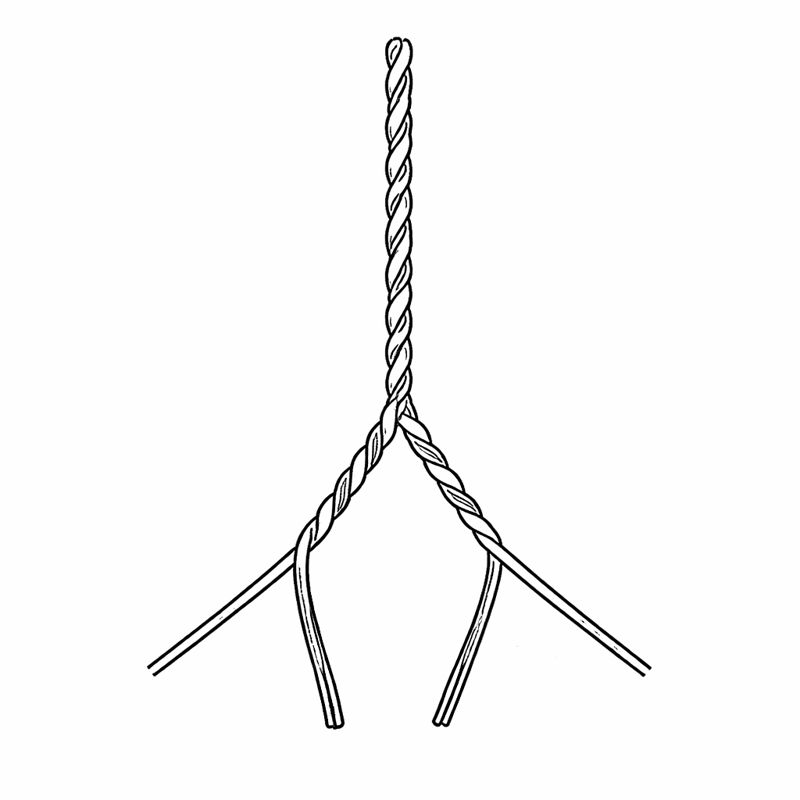
4-PLY Cable
Two or more plied yarns twisted together in the opposite direction, forming a dense, highly stable yarn with maximum strength and durability.
Yarn Twist
Yarn twists are used to capture fibres and secure them. They influence the appearance, handle, and performance properties of yarn and fabric.
Direction
The direction of twist affects light reflection and the visual appearance of a fabric. Twist direction is described as either S twist or Z twist, where most spun yarns have a Z twist.
Twist direction does not significantly affect the properties of a single yarn, but the ply twist direction is generally opposite to the yarn twist direction.
Smooth fabrics typically maintain a consistent yarn and ply twist direction, while textured fabrics often use mixed twist directions.
S-Twist: Thread appears to move upwards towards the left.

Z-Twist: Thread appears to move upwards towards the right.

Level
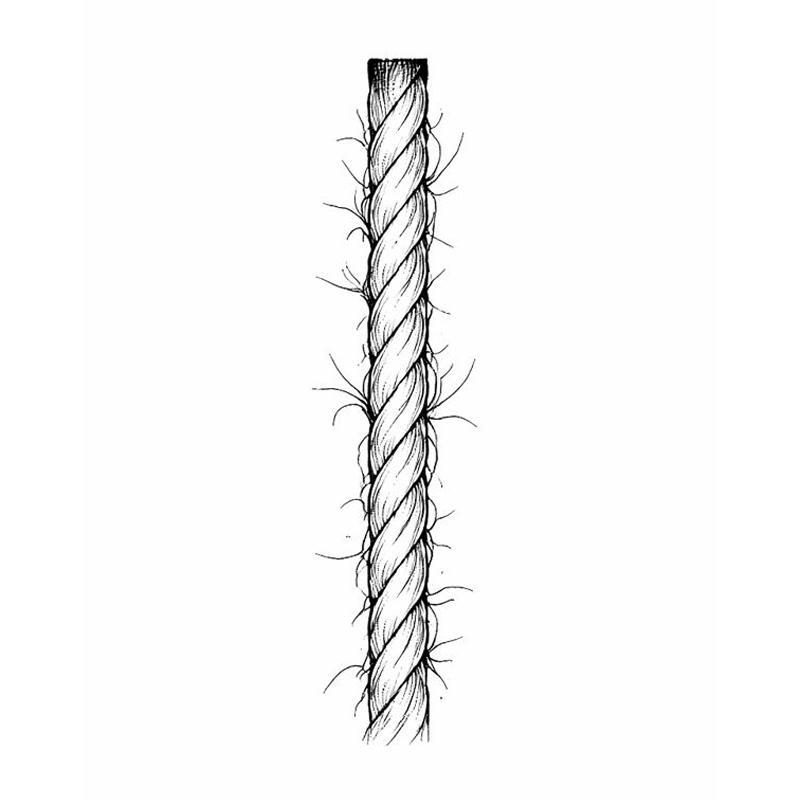
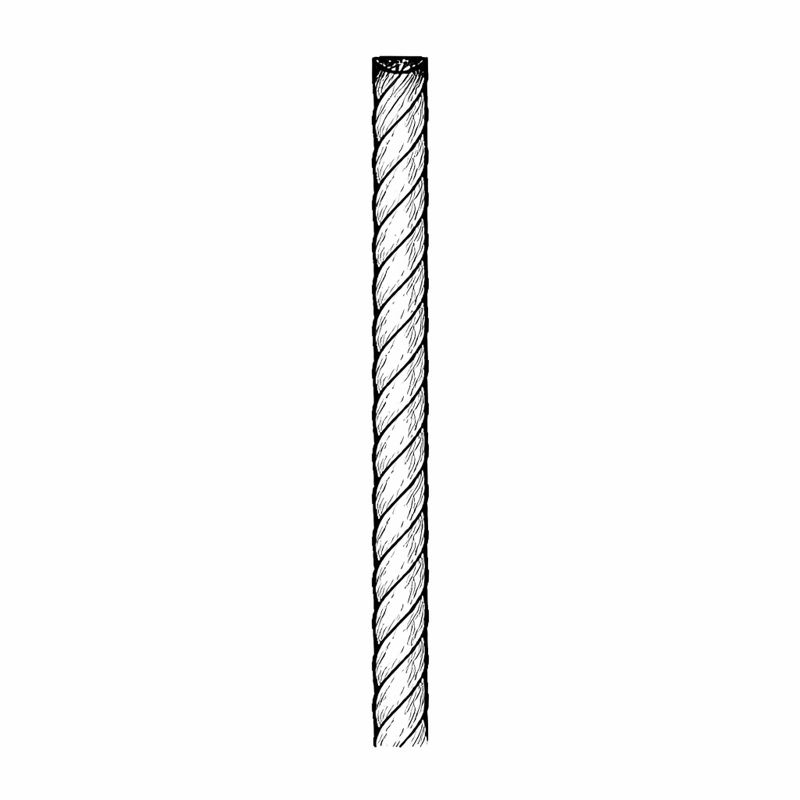
The twist level is determined by the number of turns present in a unit length of yarn. A high-twist yarn has more twists per unit length compared to a low-twist yarn.
Twist level influences yarn strength, elongation, and air permeability. Yarns used for weaving typically have a higher twist, resulting in smoother surfaces and greater lengthwise strength, while yarns used for knitting generally have a looser twist.
Low-Twist: Used to create bulky, soft, and fuzzy fabrics.
High-Twist: Used to create smoother surfaces and denser fabrics.
Complex Yarn & Texture Yarn
Complex Yarn
Complex yarns, sometimes referred to as novelty yarns, are single or plied yarn structures with irregularities. Used to make fabrics more interesting, these irregularities can relate to size, twist effect, or color. For example, yarns that are thicker, thinner, or having curls, loops, or twists.
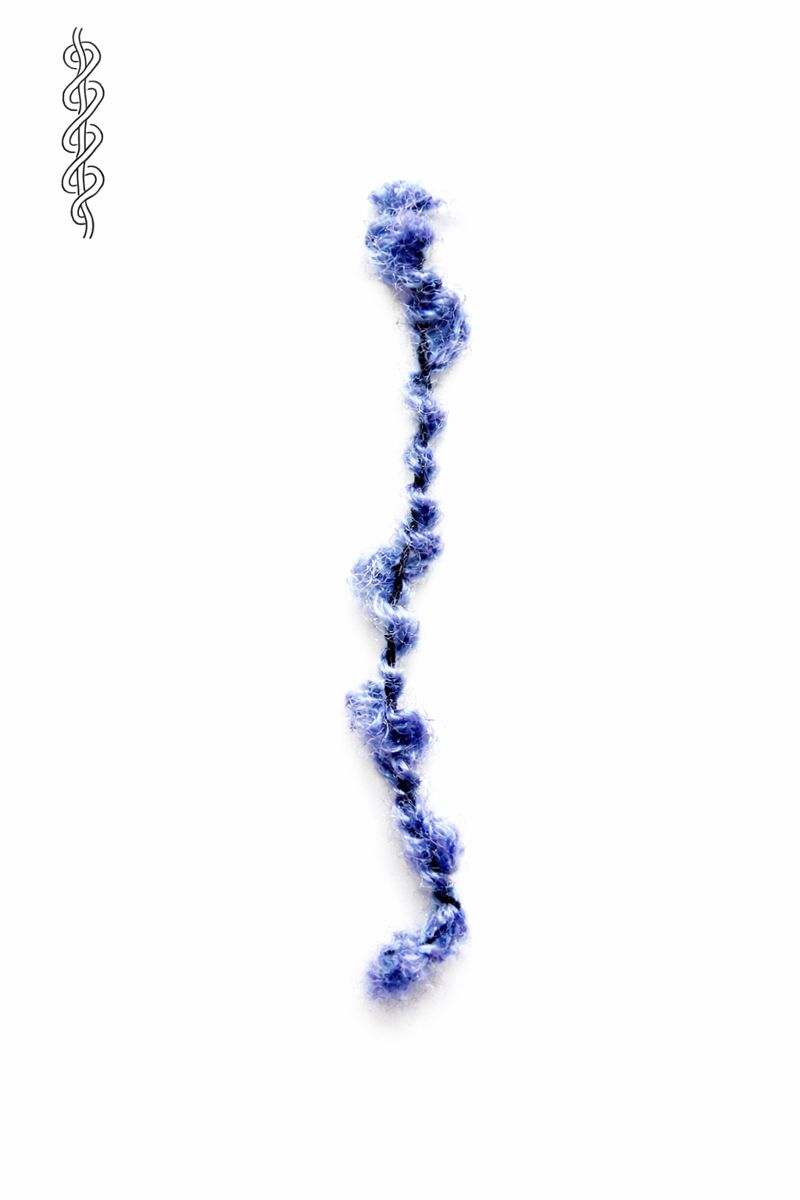
Bouclé Yarn
Yarn with looped segments creating a soft, textured, and irregular surface.
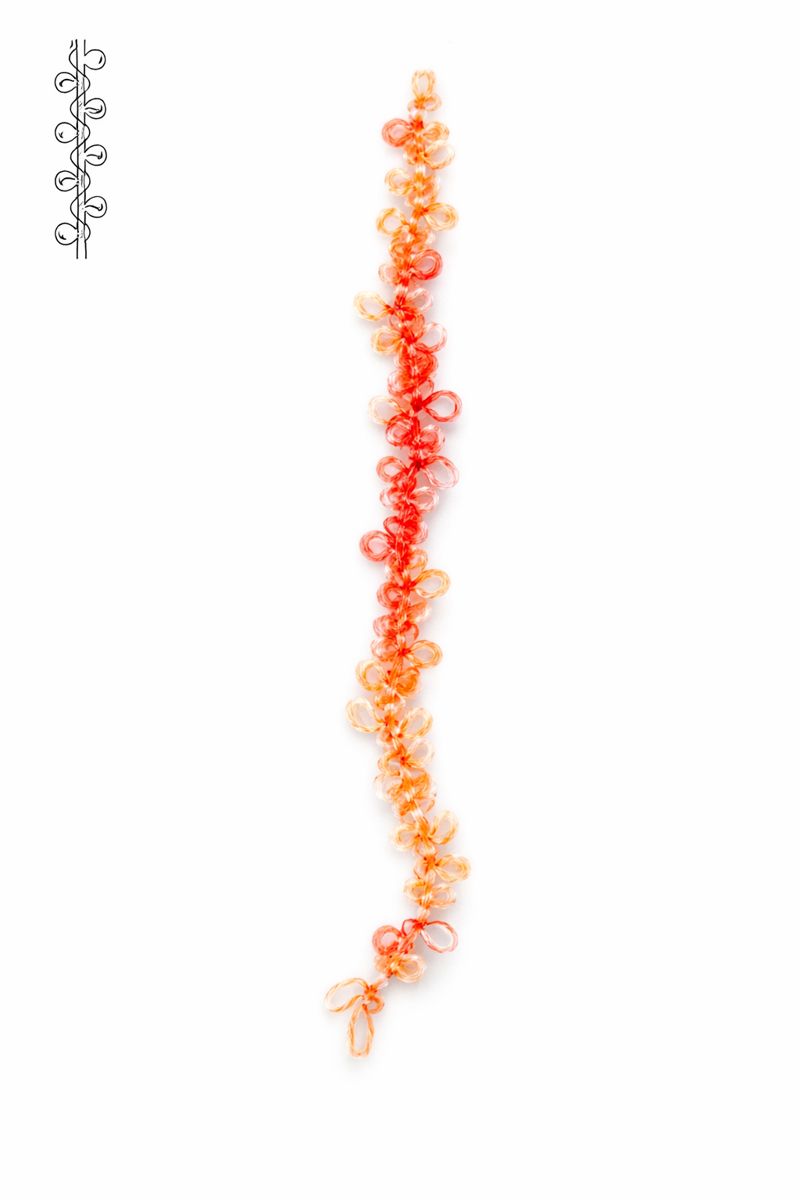
Loop Yarn
Decorative yarn with evenly spaced loops projecting from the core.
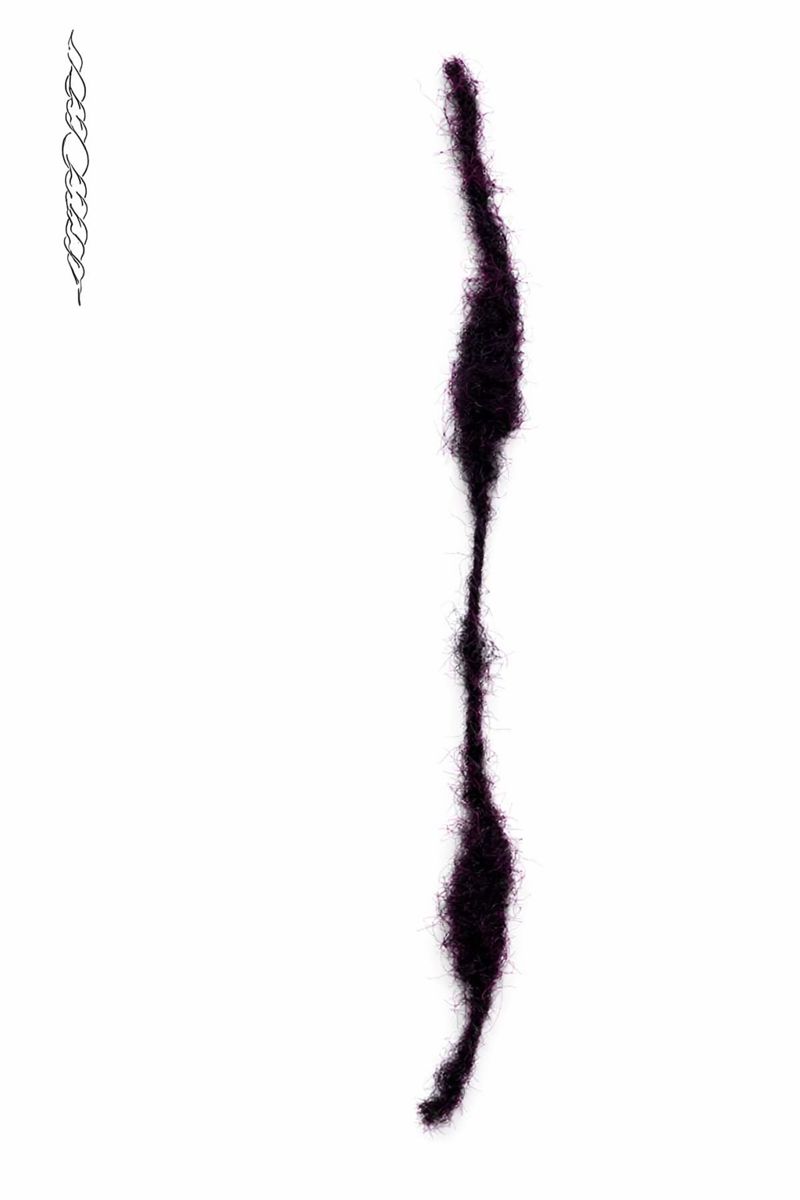
Slub Yarn
Yarn with intentional thick and thin sections for visual texture.
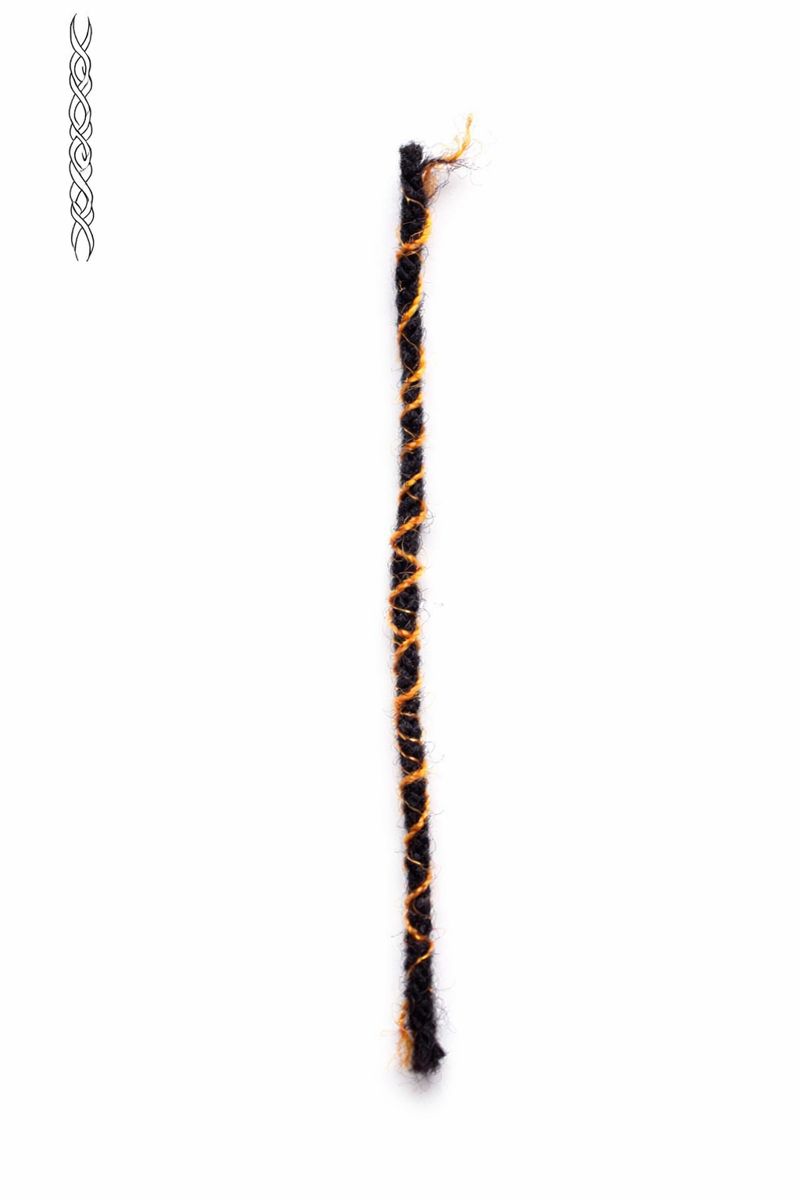
Spiral Yarn
Two yarns twisted together so one wraps spirally around the core.
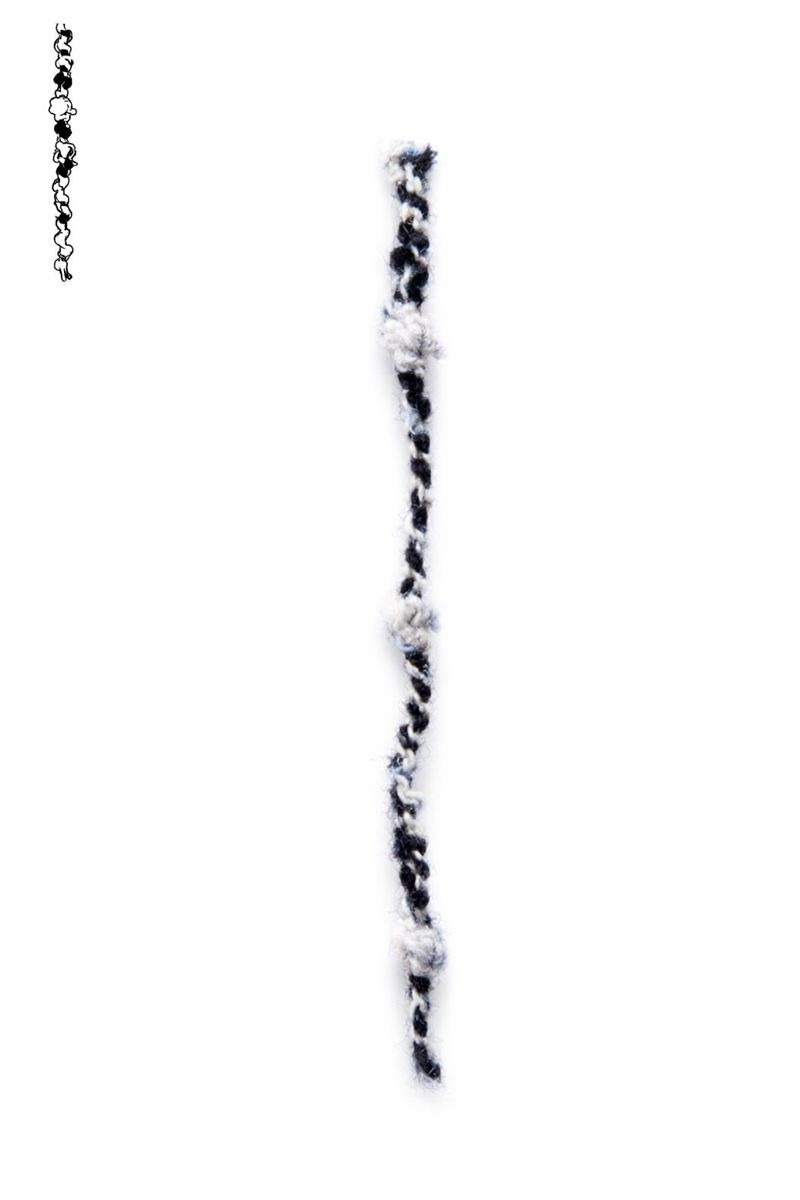
Knop (Knot) Yarn
Yarn featuring small, regularly spaced knots along the length.
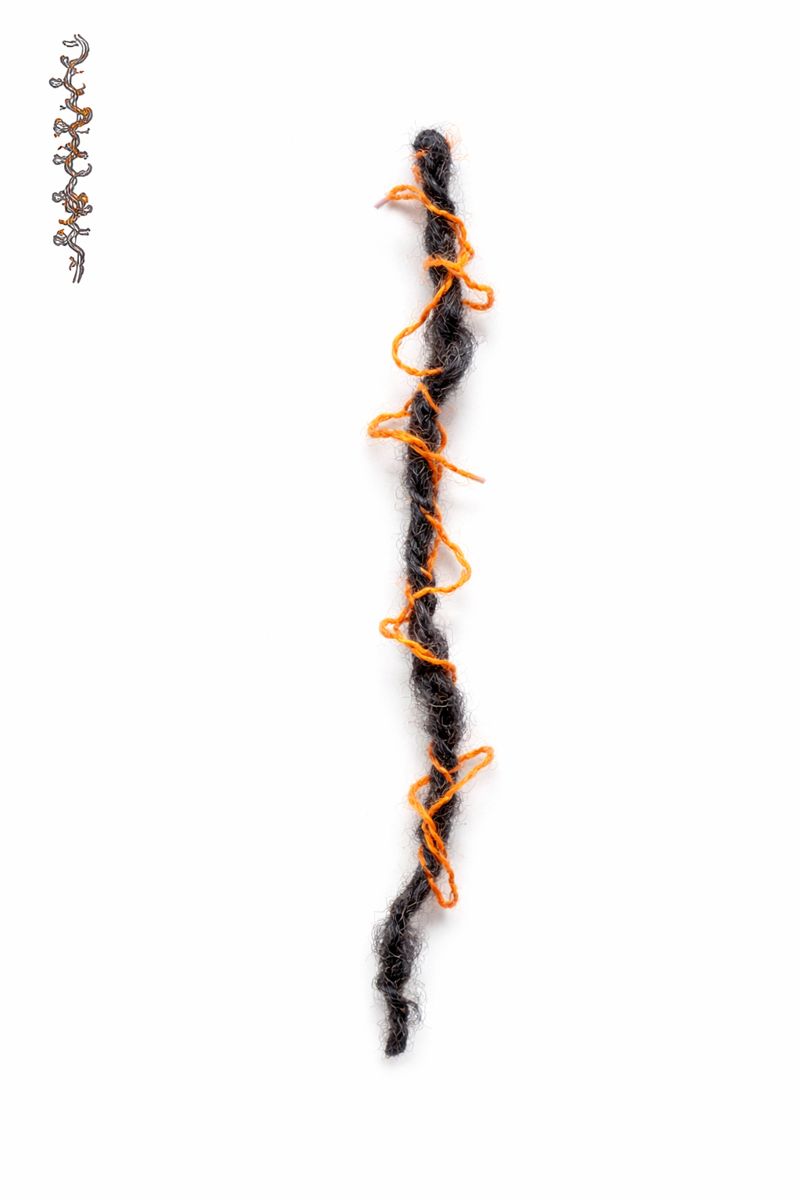
Snarl Yarn
Highly twisted yarn that forms lively, irregular curls and snarls.
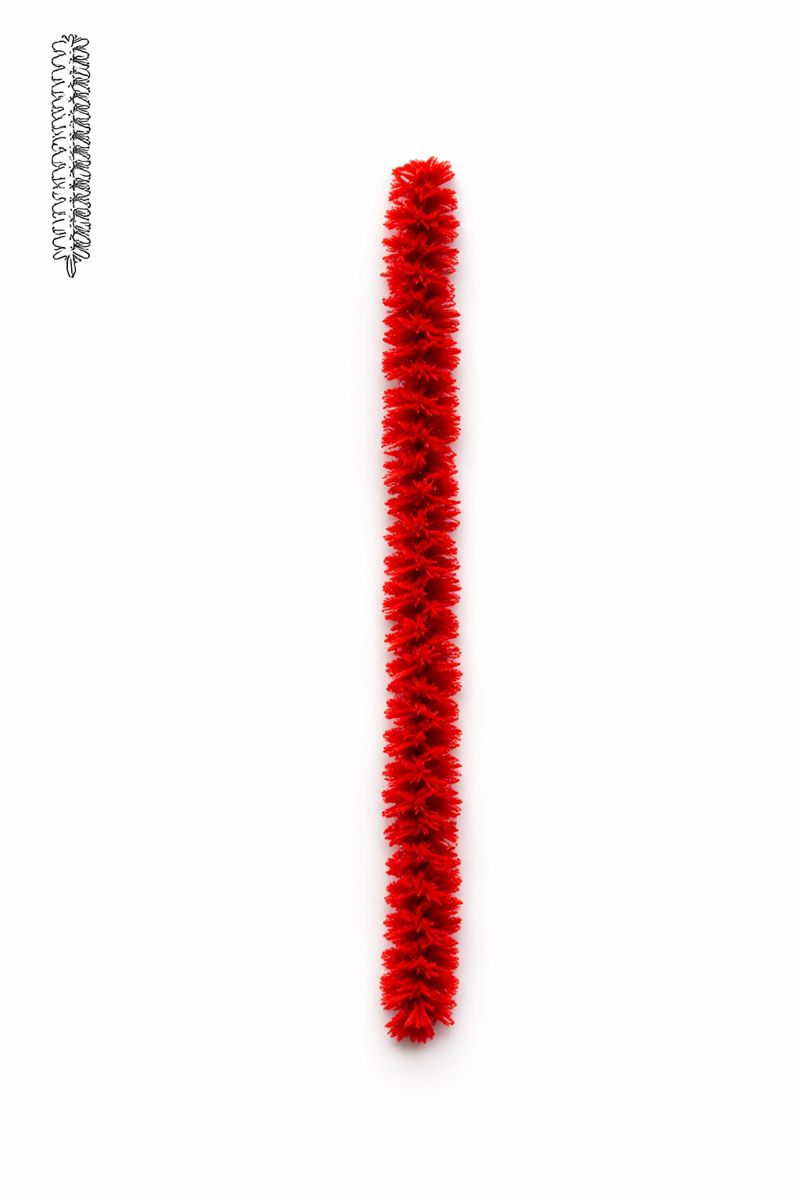
Chenille Yarn
Soft, velvety yarn with short fibers radiating from a central core.
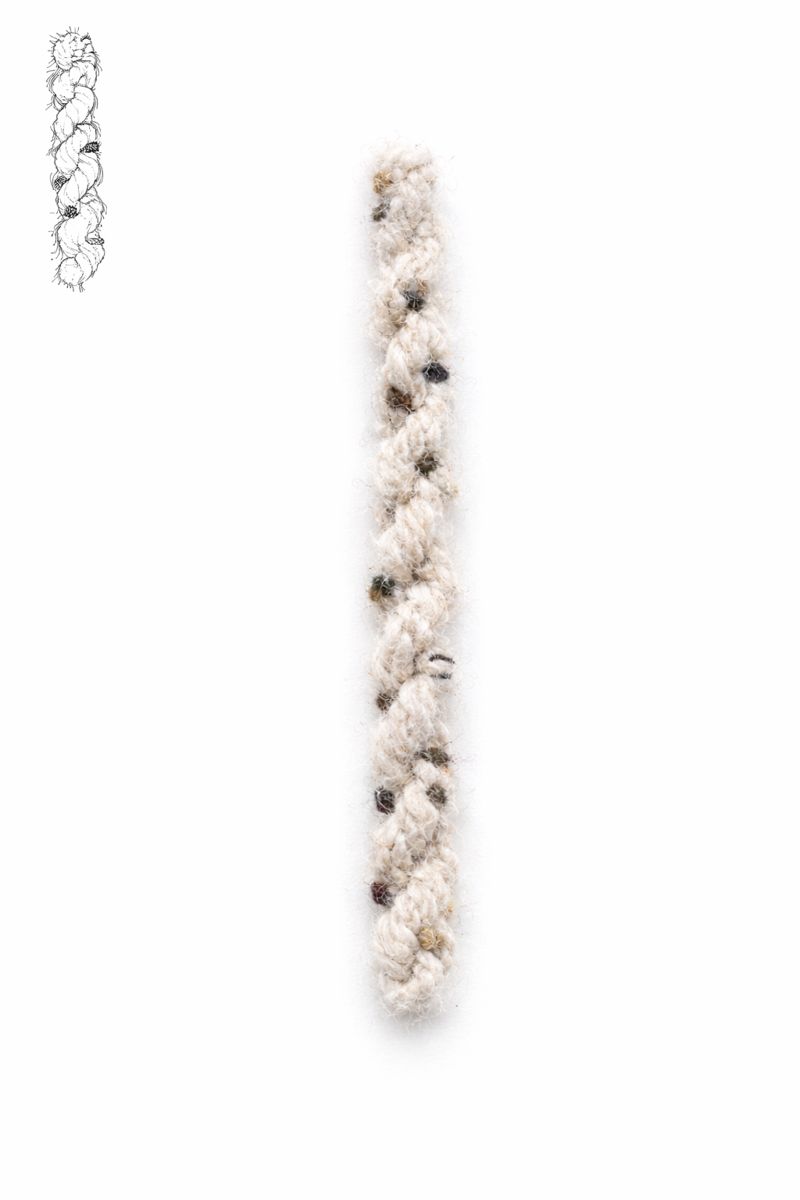
Tweed Yarn
Yarn containing colored fiber flecks for a speckled appearance.
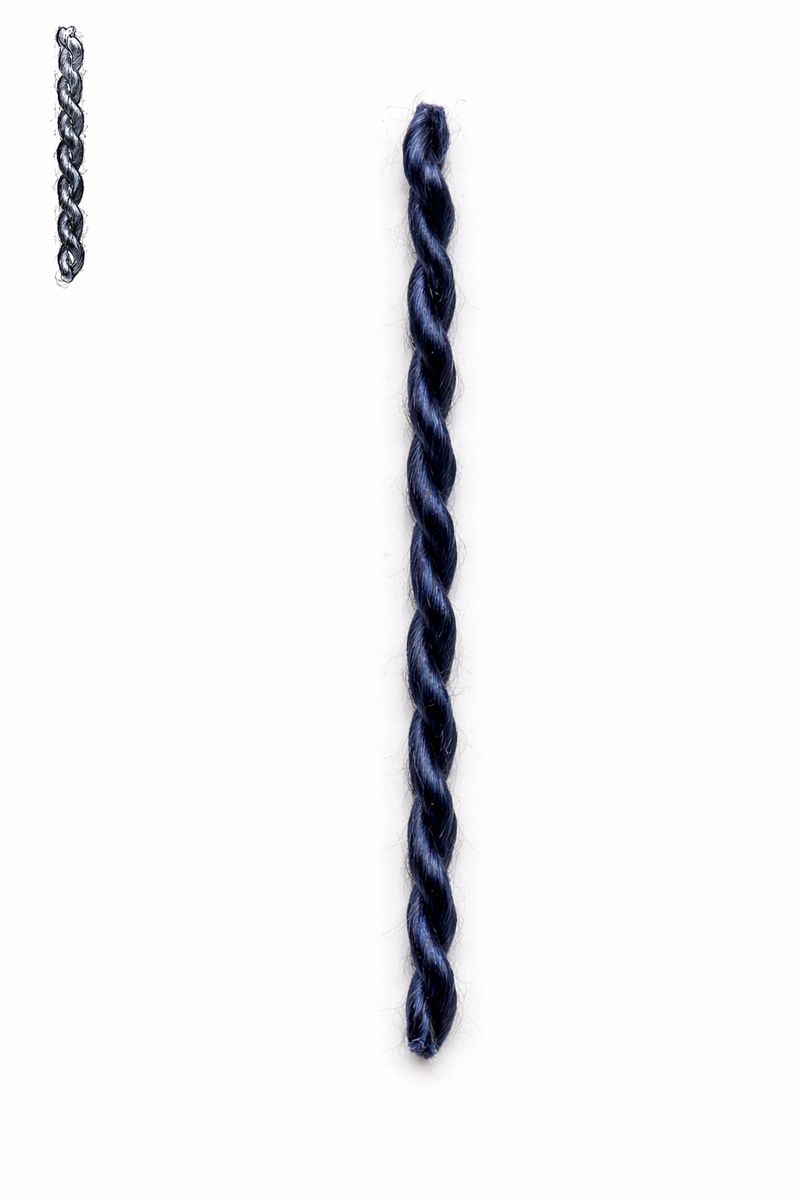
Mercerized Yarn
Chemically treated yarn with enhanced sheen, strength, and color intensity.
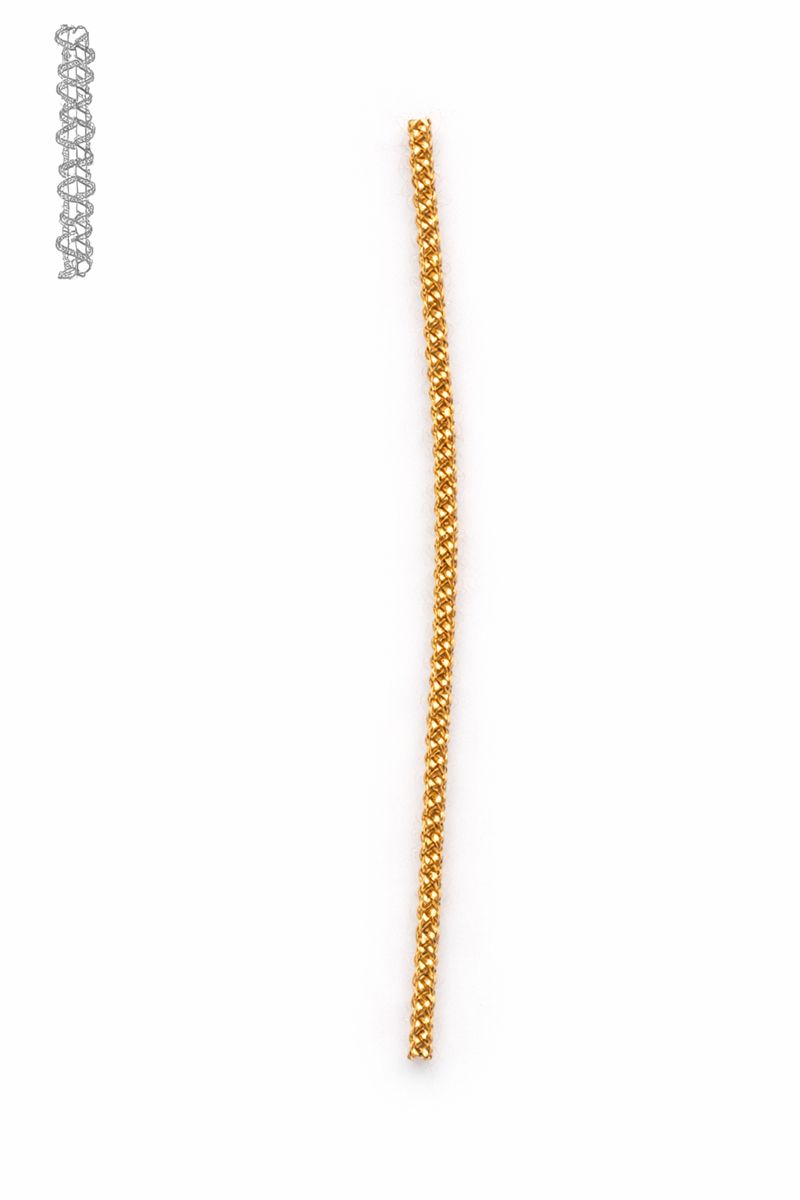
Metallic Yarn
Yarn containing metallic filaments for shine and decorative effects.
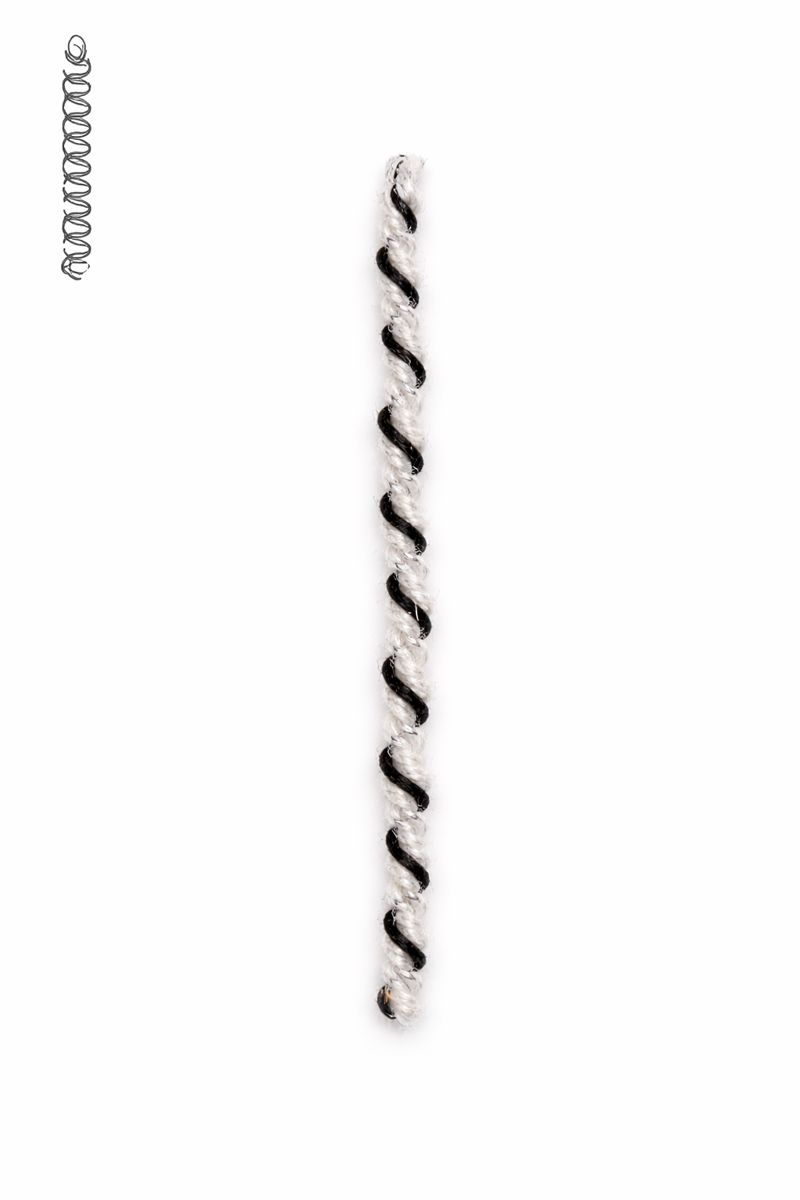
Elastic Yarn
Stretchable yarn incorporating elastic filaments for flexibility and recovery.
Texture Yarn
Continuous filament yarn which goes through a production process that creates durable crimps, coils and loops.
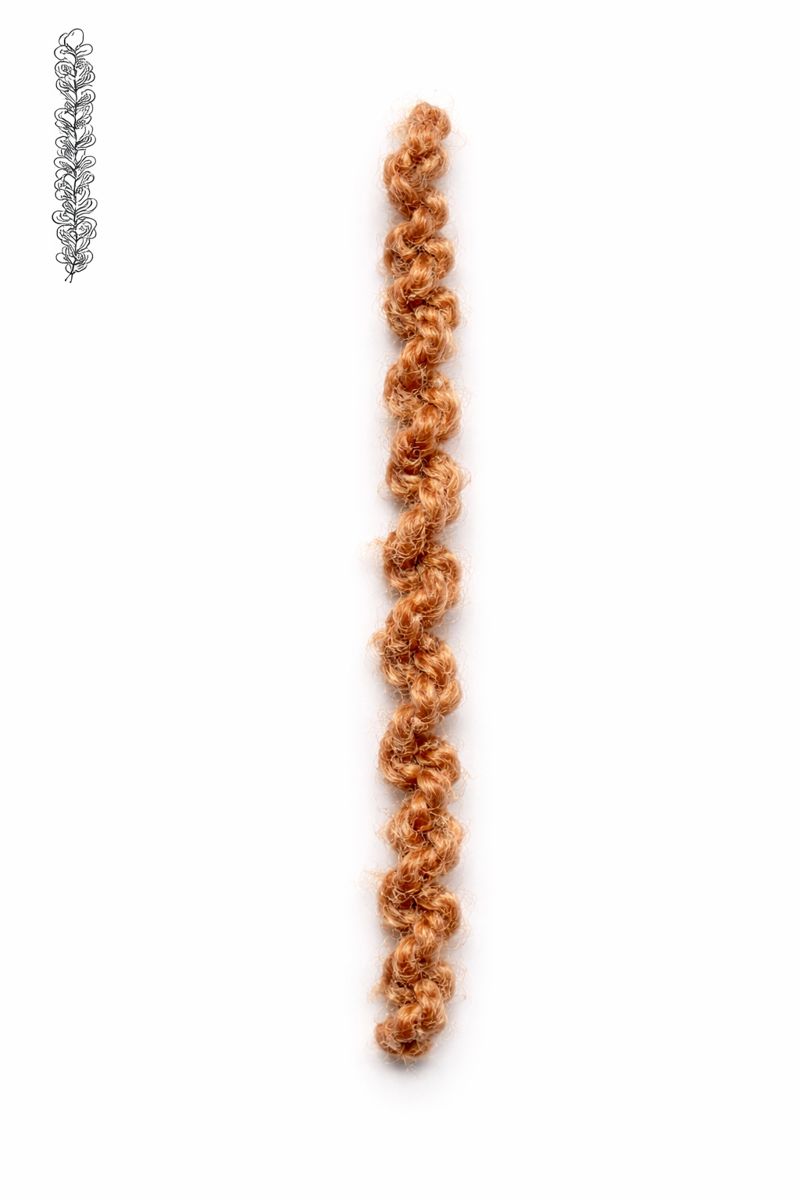
Curled Yarn
Yarn with tight curls formed by high twist and relaxation.
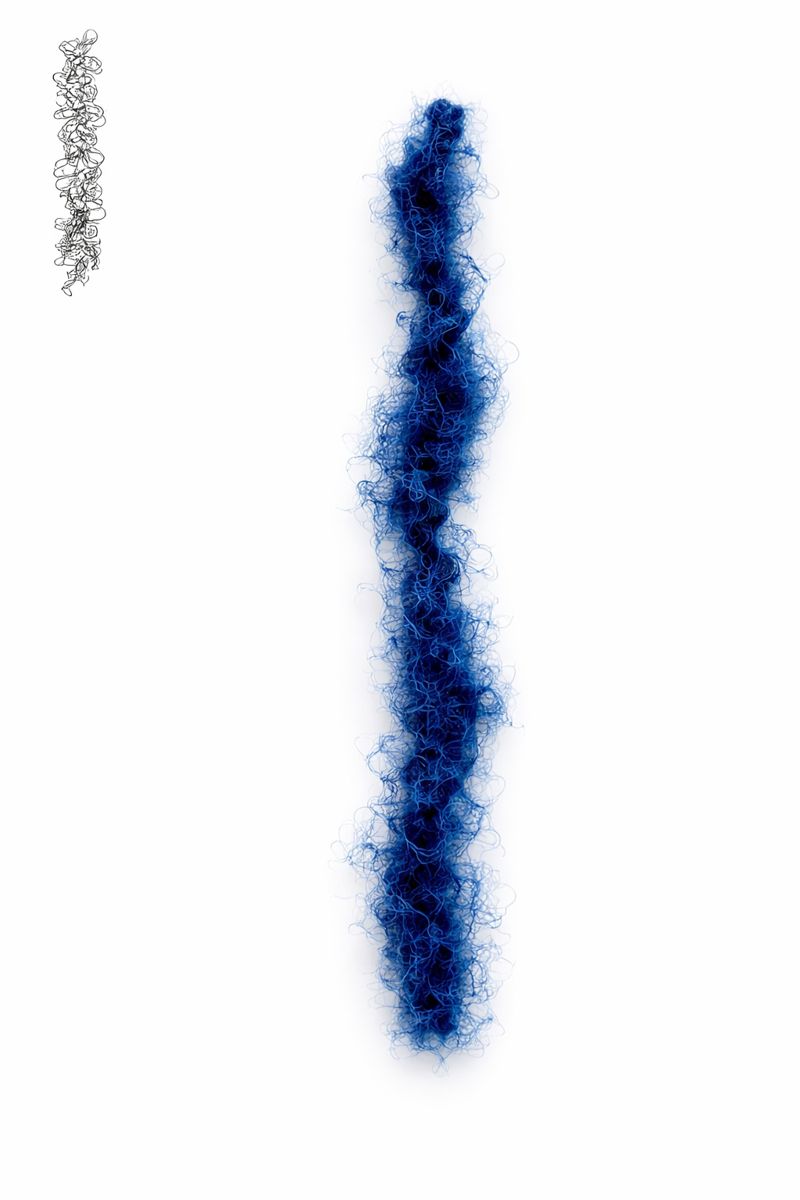
High Bulk Yarn
Yarn engineered to expand, creating volume and softness.
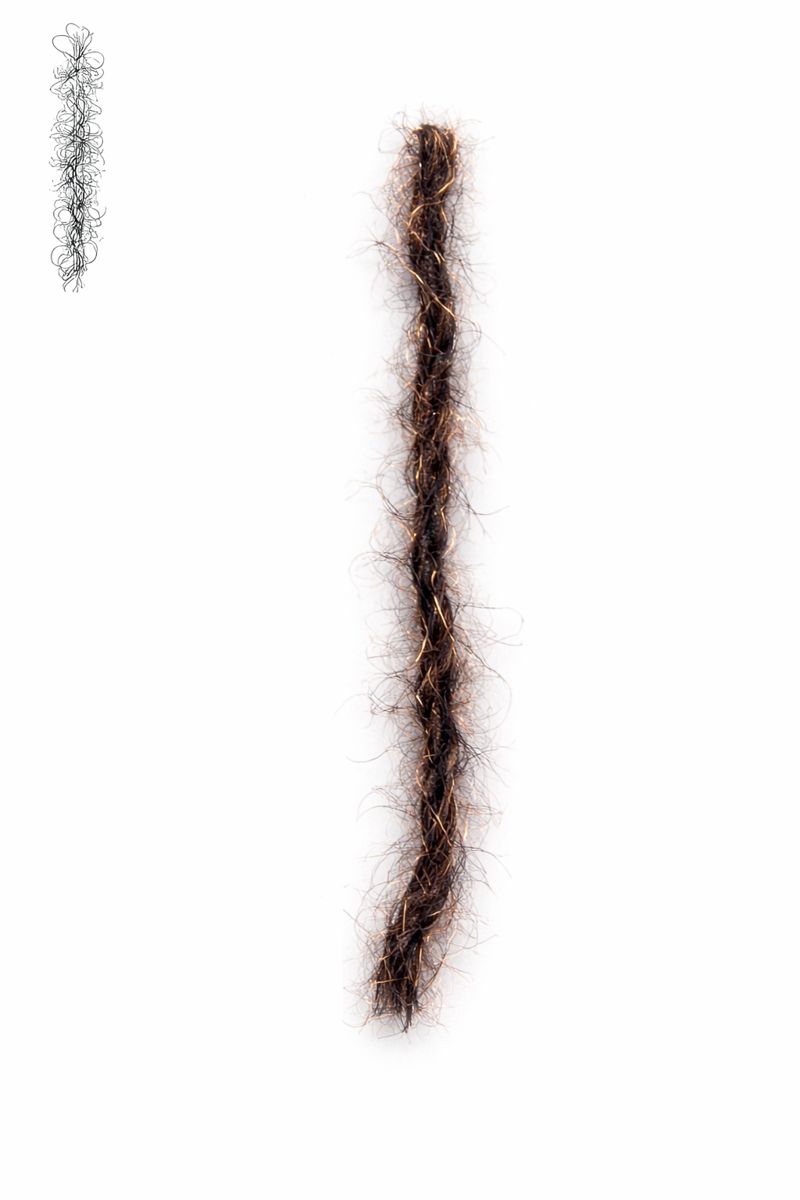
Lofted Effect Yarn
Yarn designed to trap air, producing a light, lofty structure.
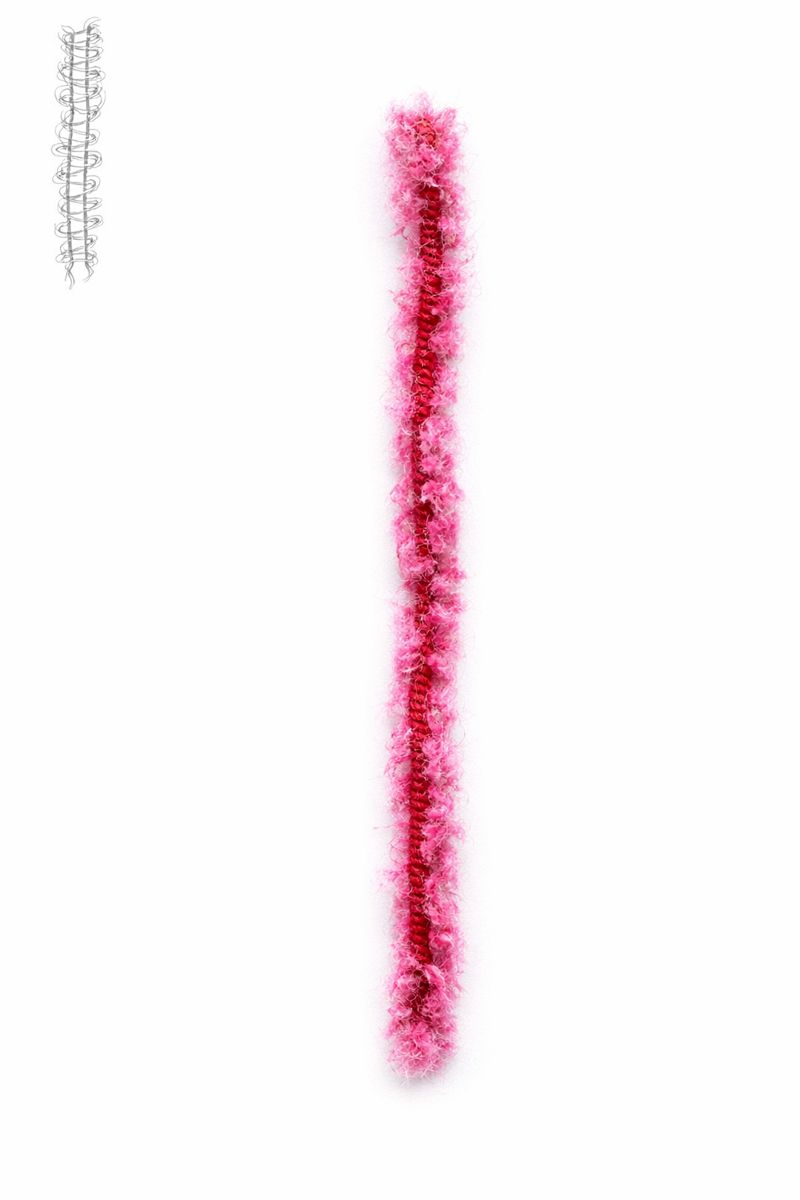
Stretch Core Yarn
Yarn built around an elastic core for controlled stretch and recovery.