

Karl Lagerfeld: Gentilhomme du XXIᵉ
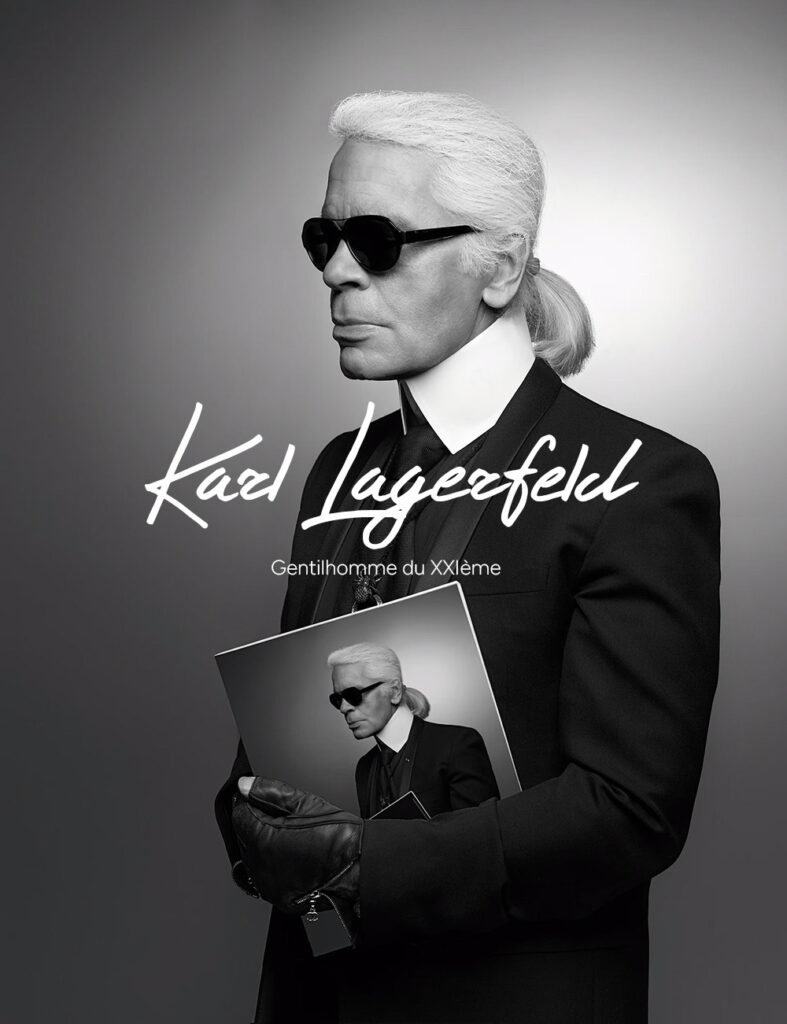
Karl Lagerfeld, Gentilhomme du XXIᵉ (2012), directed by Alain Teulère and produced by Carole Bienaimé-Besse for April Snow Films & Capital in collaboration with NRJ Paris, is both a documentary portrait and a cultural study of one of fashion’s most complex figures. Rather than following the standard biographical arc, the film seeks to decode the paradoxes that defined Lagerfeld’s persona and his creative practice.
Through exclusive interviews, archival material, and observational footage, the documentary reveals Lagerfeld as a man of discipline and contradictions: at once highly visible and deeply private, relentlessly productive yet carefully detached, immersed in contemporary trends while fiercely rooted in classical knowledge. His sharp wit, encyclopedic memory, and almost obsessive daily routine emerge as key elements of his creative longevity.
The narrative emphasizes the duality of Lagerfeld’s role in fashion: he is portrayed as a guardian of heritage, particularly through his long tenure at Chanel where he revitalized the codes of Coco Chanel, and simultaneously as an innovator who embraced new media, photography, and collaborations that extended beyond traditional couture. This balance between past and future justifies the subtitle of the film — a “gentleman of the 21st century” — someone who embodies refinement but also modern dynamism.
Stylistically, the film avoids glamorized myth-making and instead frames Lagerfeld as a cultural phenomenon, closer to a Renaissance intellectual than merely a couturier. It highlights his multiple identities — designer, photographer, publisher, collector — and situates him within a broader discussion of contemporary creativity, celebrity, and the demands of modern image-making.
By combining close-up access with a broader analytical gaze, Gentilhomme du XXIᵉ presents Lagerfeld less as an unreachable icon and more as a prism through which to understand the evolution of fashion and culture at the turn of the century. It is as much a reflection on the man himself as on the symbolic power he wielded in shaping the aesthetic of an era.