

French Seam
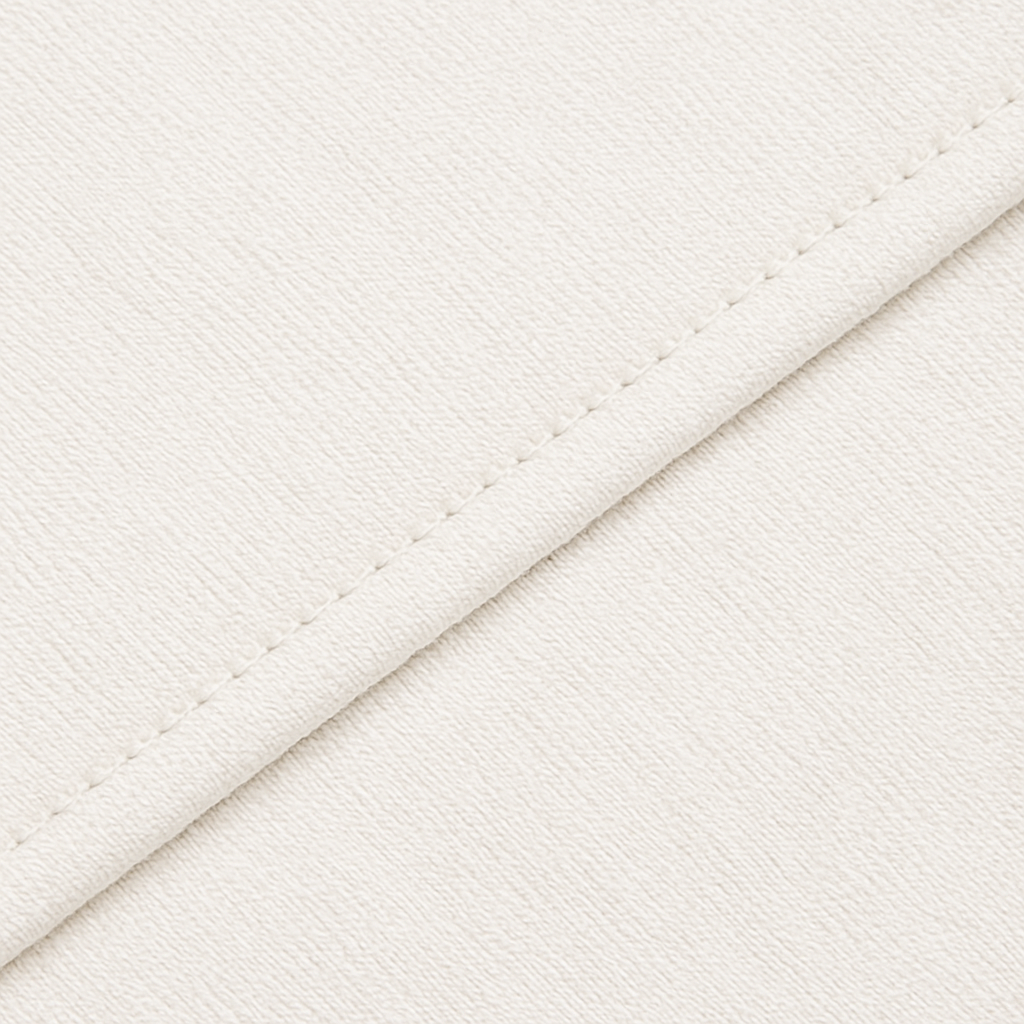
A French seam encloses the raw fabric edges within two lines of stitching, leaving no visible fraying. With a neat, polished inside finish, it is ideal for lightweight or sheer fabrics. This seam is often found in lingerie, blouses, and delicate garments where appearance matters inside and out.
Main Properties
- Resistance: Very good.
- Versatility: Good.
- Flexibility: Poor.
- Elasticity: Poor.
- Cost: Medium.
- Others:
Neat finishing on the inside.
Common Uses
- High-end garments.
- Sheer fabrics.
- Side seams of shirts and tops.
Related Seams

Step By Step

Step 1
Stitch
Sew the fabric along the seam allowance and facing the right sides together.

Step 2
Fold Out
Open the seam towards the right side.

Step 3
Topstitch
Sew along the edge of the seam.

Step 4
Open Up
Open up the seam

Step 5
Final
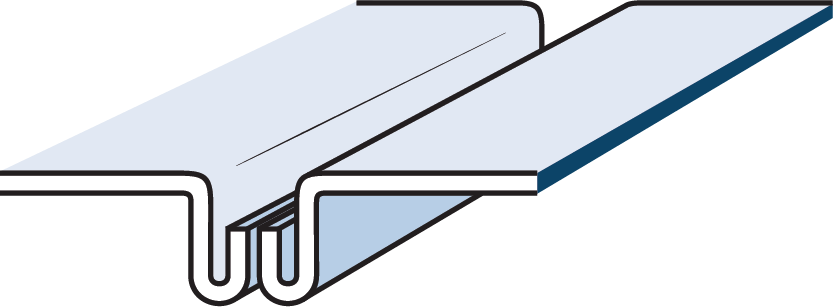
Facts
- Also called “Closed Seam” or “Encased Seam.”
- Ideal for lightweight or sheer fabrics.
- Neat finish with no visible raw edges.
- Often used in lingerie and delicate blouses.
- Stronger and more durable than a plain seam.
- Requires two steps when sewn at home.
- Gives garments a refined, high-quality interior.