

Open Seam
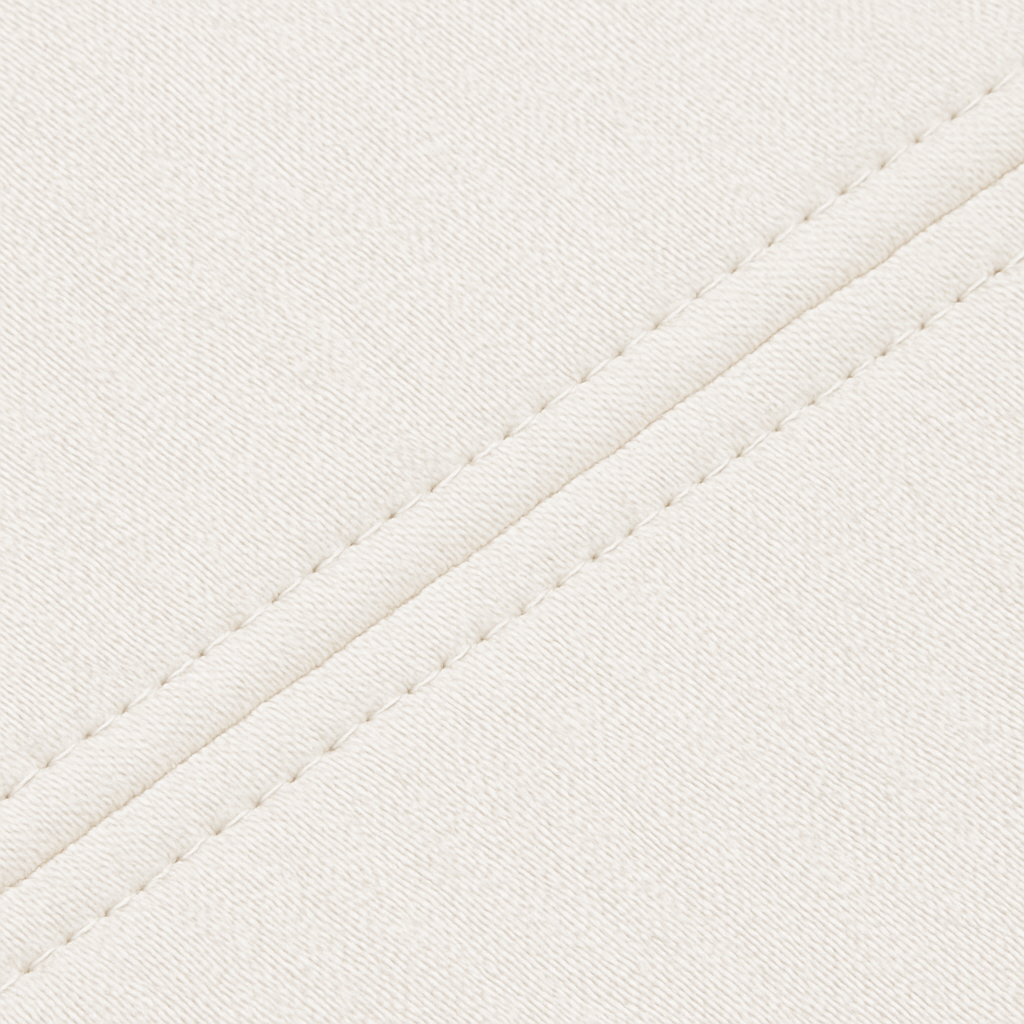
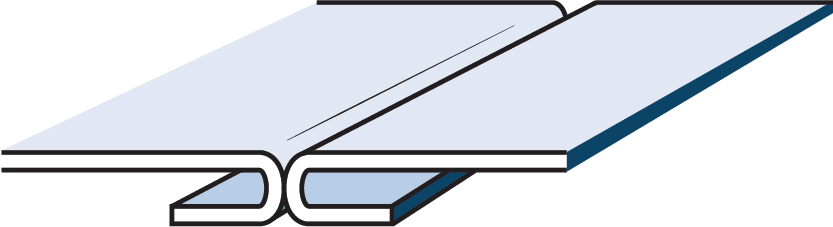
In a single-fold open seam, the seam allowances are pressed open and each side is folded under once. This prevents fraying and reduces bulk while keeping the seam flexible. It is a practical choice for lightweight to medium fabrics where a neat inside finish is desired.
Main Properties
- Resistance: Regular to poor.
It gets stronger when using a short stitch length to join the fabrics. - Versatility: Very good.
Works better on woven fabrics of medium and heavy-weight. - Flexibility: Excellent.
- Elasticity: Good.
- Cost: Regular.
Common Uses
- Lined garments such as jackets and coats.
- Collar band seam.
- Side seams of formal trousers and skirts (not suitable on tight fit).
- Bags and shoes.
- Fur industry.
Related Seams

Step By Step

Step 1
Stitch
Sew the fabric along the seam allowance and facing the right sides together.

Step 2
Open Up
Open up the seam towards the right side.

Step 3
Topstitch
Sew along on one of the edges of the seam.

Step 4
Topstitch
Sew along the other edge of the seam.

Step 5
Final
Facts
- Also known as “Butterfly Seam” or “Plain Seam”.
- Good option to avoid thickness when using heavy-weight fabrics.
- Seam allowance might need serged edges or topstitching to avoid fraying and raveling.