

Tuck
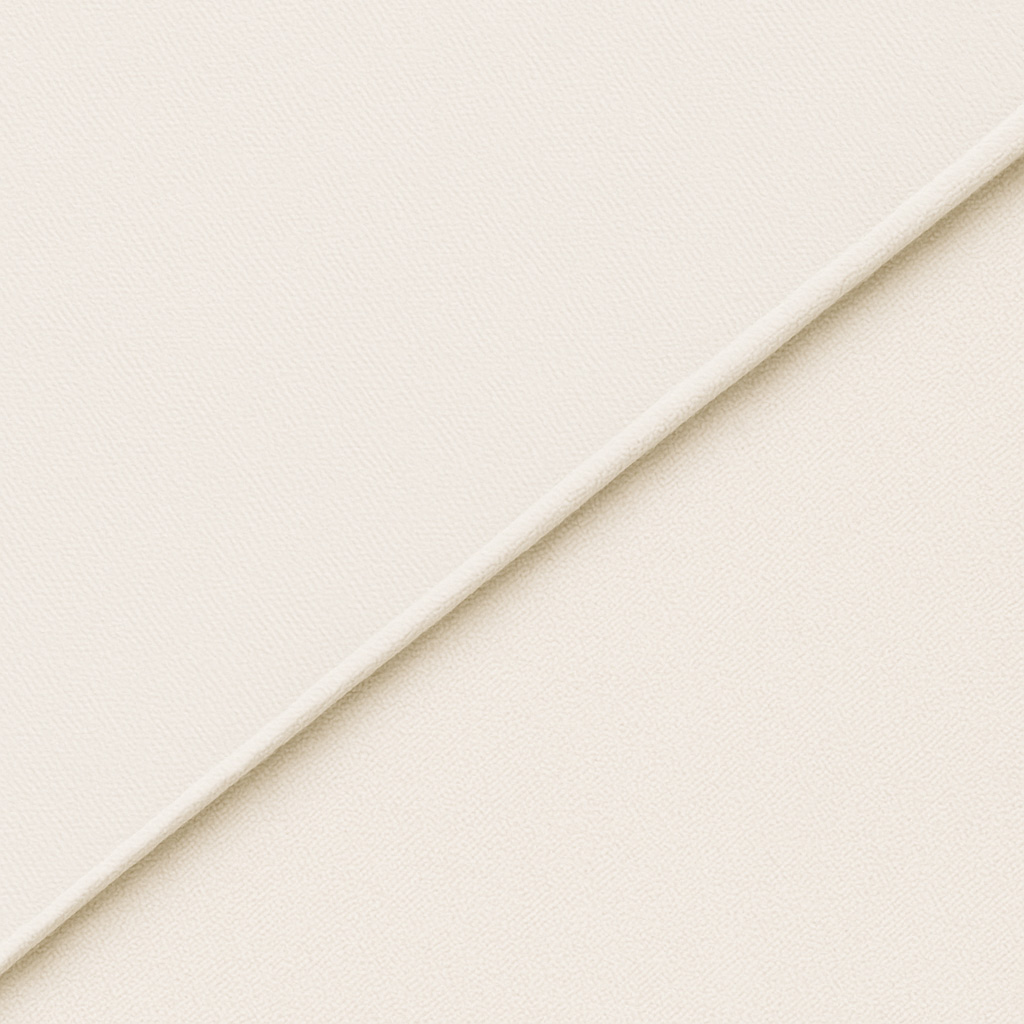
A tuck is a small, sewn or pressed fold in the fabric, created by doubling the material back on itself and securing it. Unlike pleats, tucks are usually narrower and may be decorative as well as functional. They can be stitched down for their entire length, or released after a certain point to add volume and shaping. Tucks create texture, structure, and design interest in a garment, while also reinforcing the fabric in certain areas. Depending on placement, they can slim, elongate, or accentuate the lines of the garment.
Main Properties
- Resistance: Good. Once sewn, the fold is strong and durable.
- Versatility: Very good. Can be used decoratively or structurally.
- Flexibility: High. Works with many fabrics, though crisp weaves show tucks more clearly.
- Elasticity: Low. Tucks are fixed folds with little stretch.
- Cost: Low to moderate. Requires precision and extra stitching time.
Common Uses
- Decorative details on blouses, shirts, and dresses.
- Pintucks for heirloom sewing and fine tailoring.
- Adding shape to skirts, sleeves, and bodices.
- Bed linens, tablecloths, and traditional garments.
- Structured or symmetrical embellishments in couture design.
Related Seams

Step By Step

Step 1
Stitch
Fold the fabric facing the right side out and sew along the edge of the folded side.

Step 2
Open Up
Open up the seam towards the right side.

Step 3
Final

Facts
- Can be placed in parallel series (pintucks) for a refined, textured surface.
- Provide both aesthetic appeal and functional shaping.
- Often used to control fullness without darts or gathers.
- Can be released below the stitching line to create flare or movement.
- Crisp fabrics like cotton poplin or linen hold tucks best, while softer fabrics create subtler effects.