

Fibers are raw materials that can be converted into textile yarns and fabrics. Fibers can be broadly classified into three groups: natural, regenerated, and synthetic. Each group has distinct properties and is selected (or blended) depending on the performance, aesthetic, and end-use requirements of the textile.
Plant Fibers
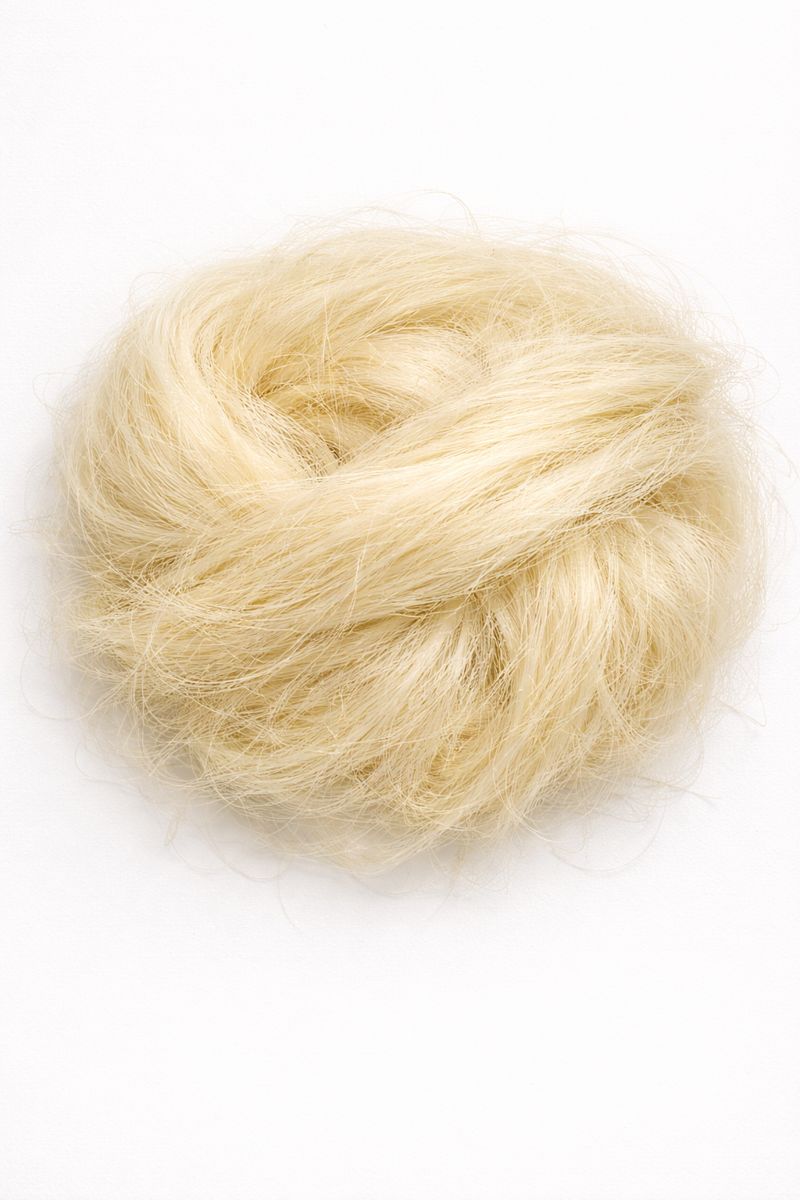
Plant fibers are cellulose-based fibers derived from parts of plants such as seeds, stems, leaves, or fruits. They are commonly used for their breathability, absorbency, and comfort, and are widely applied in apparel and home textiles.
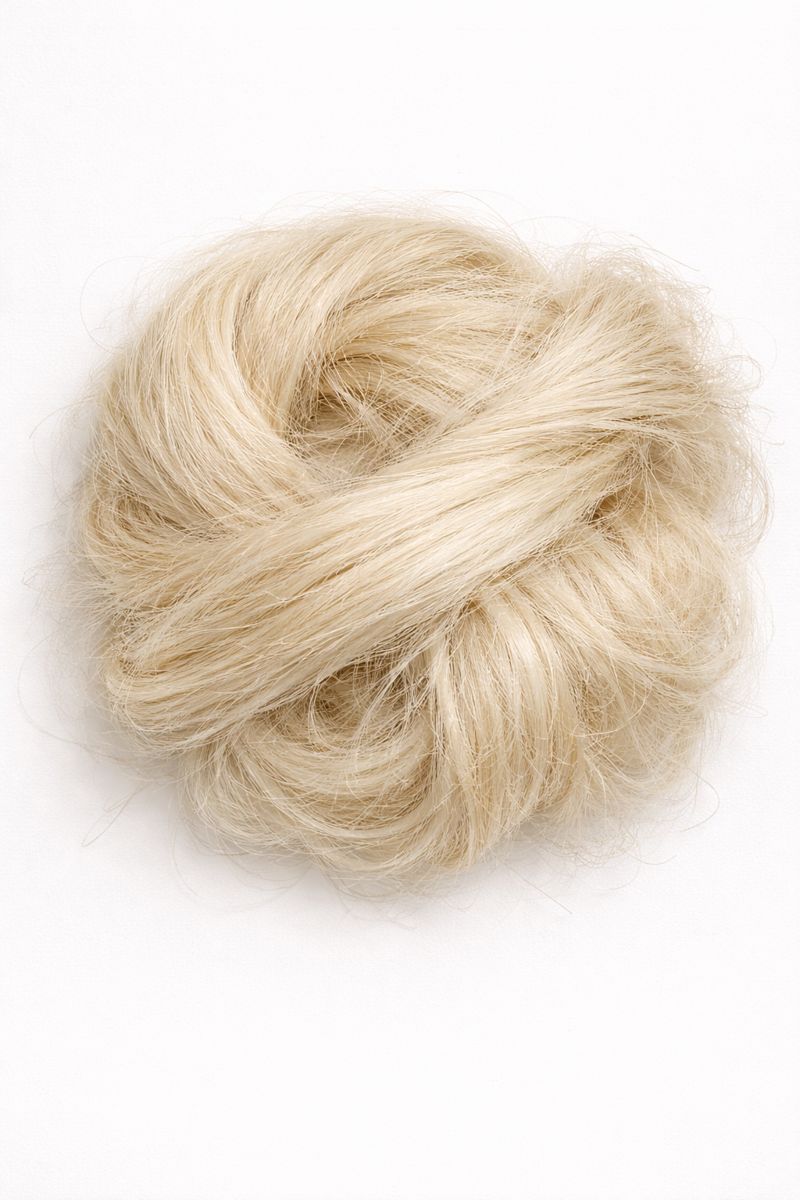
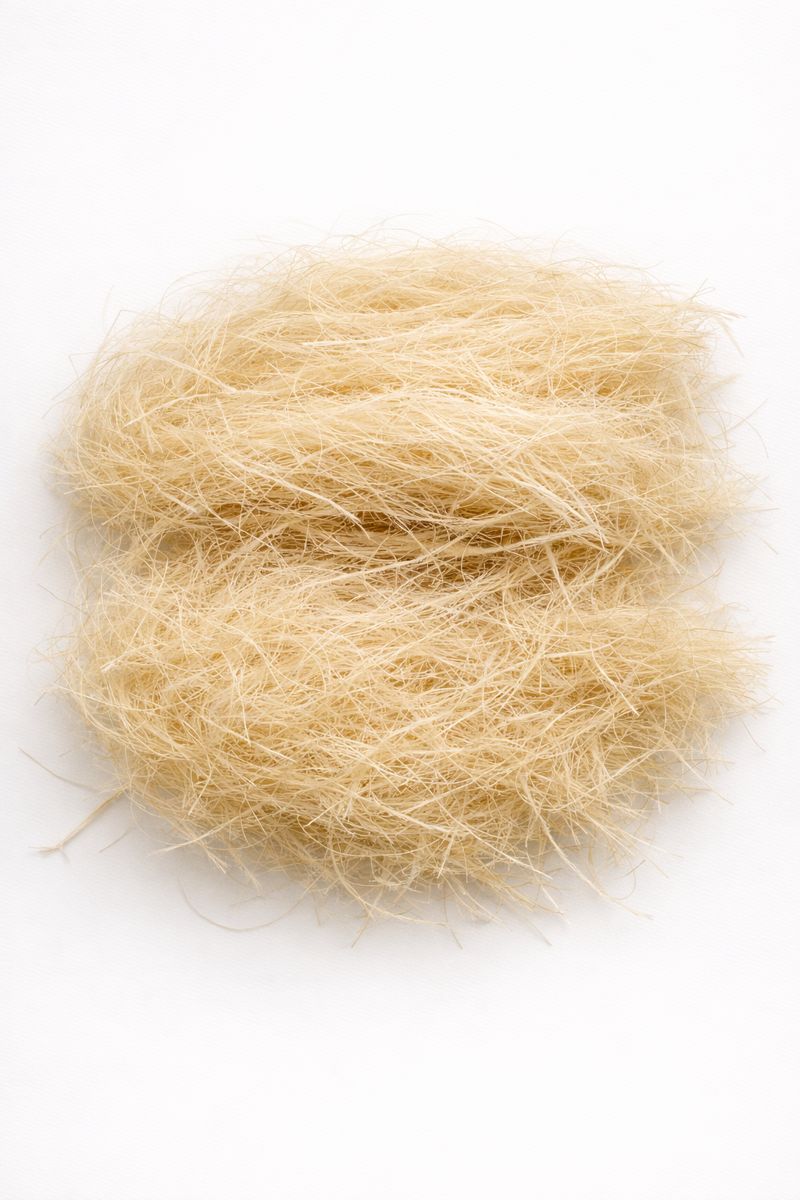
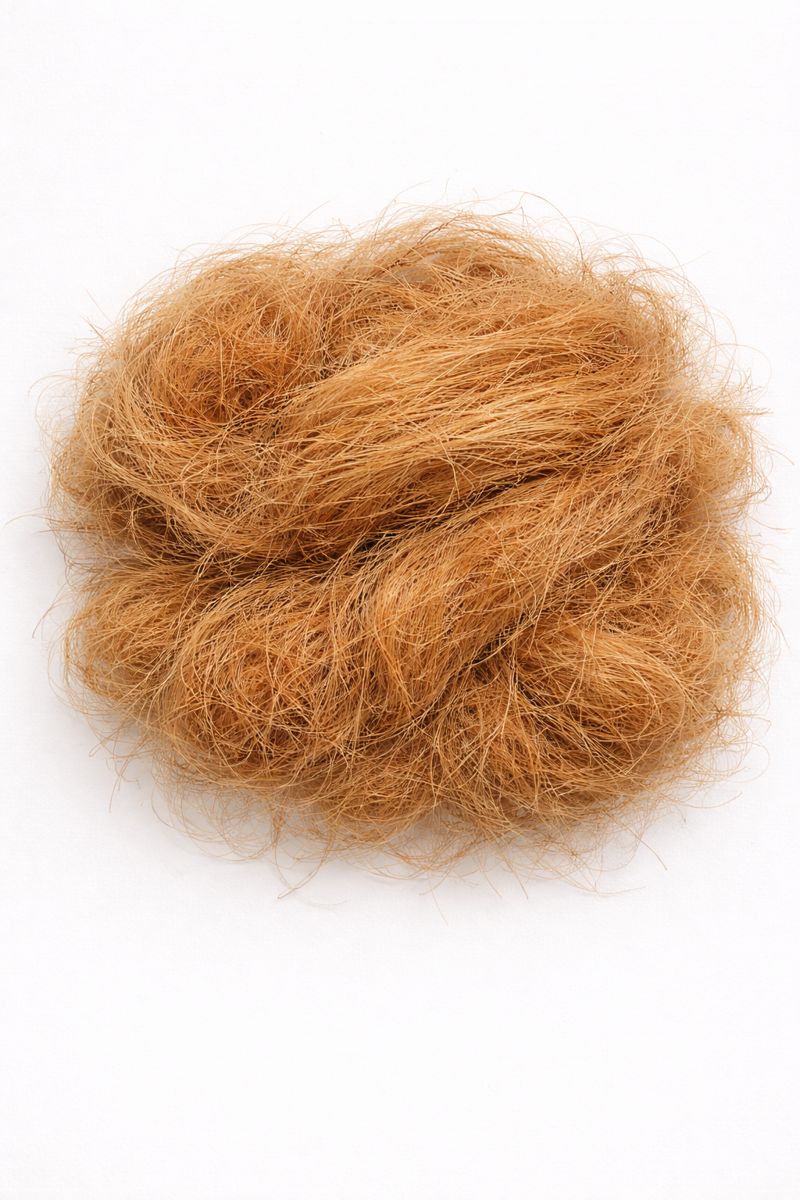
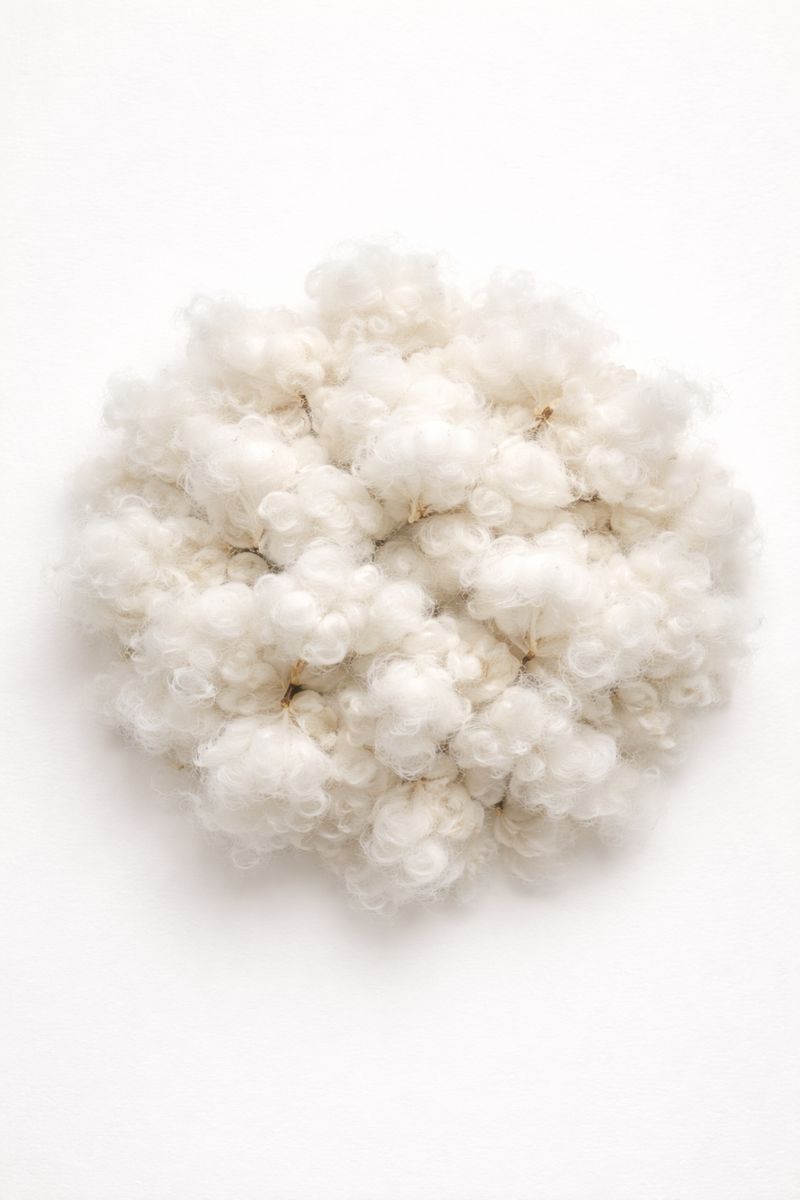
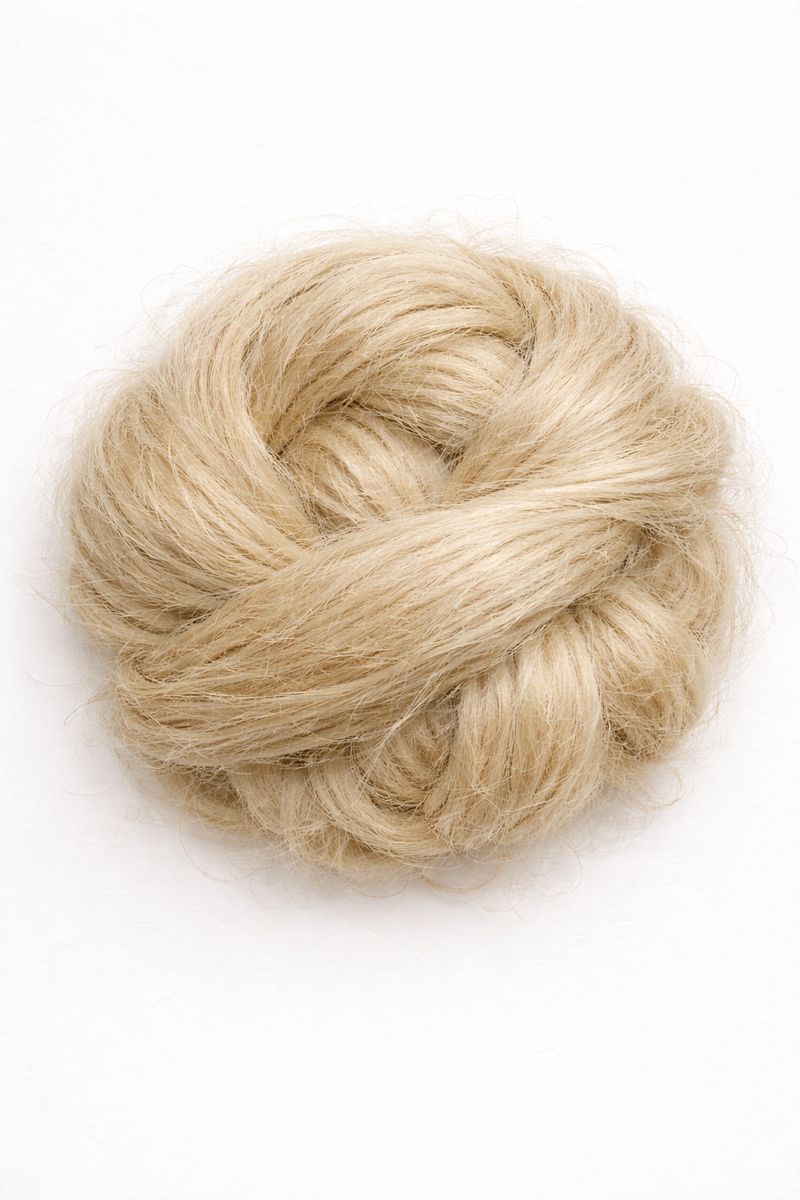
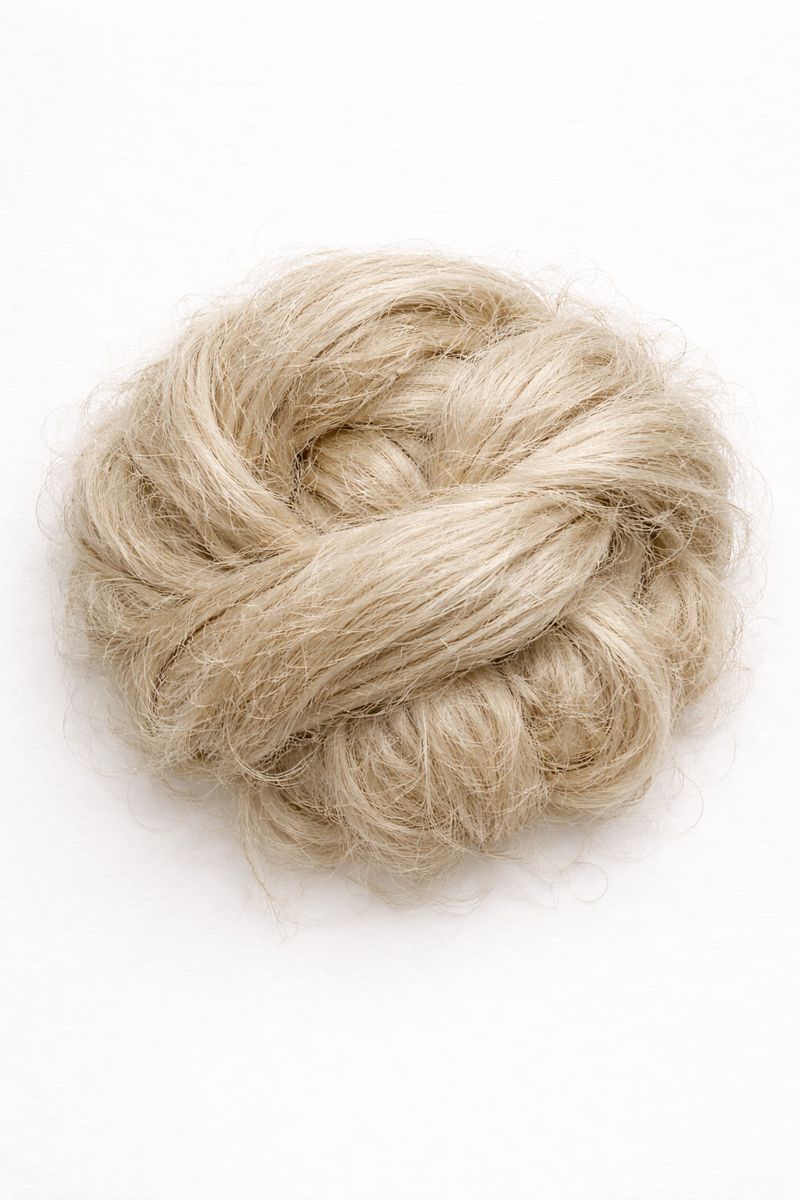
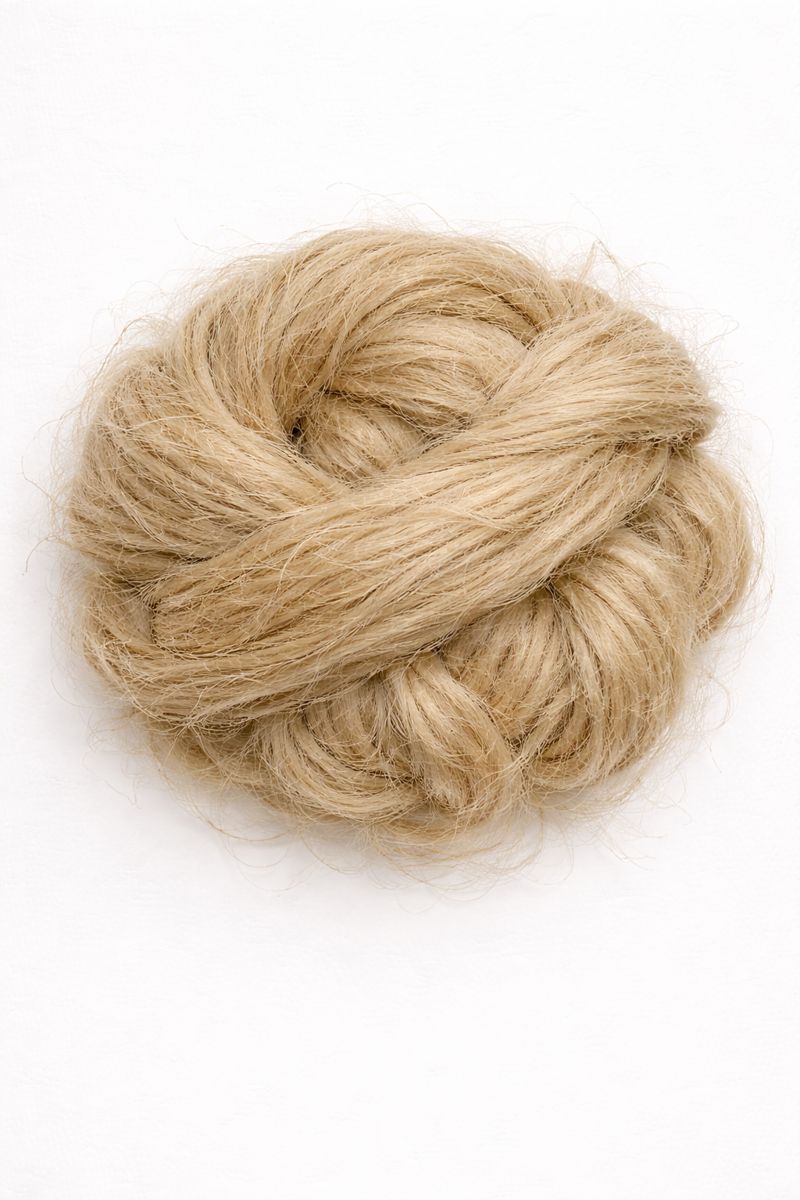
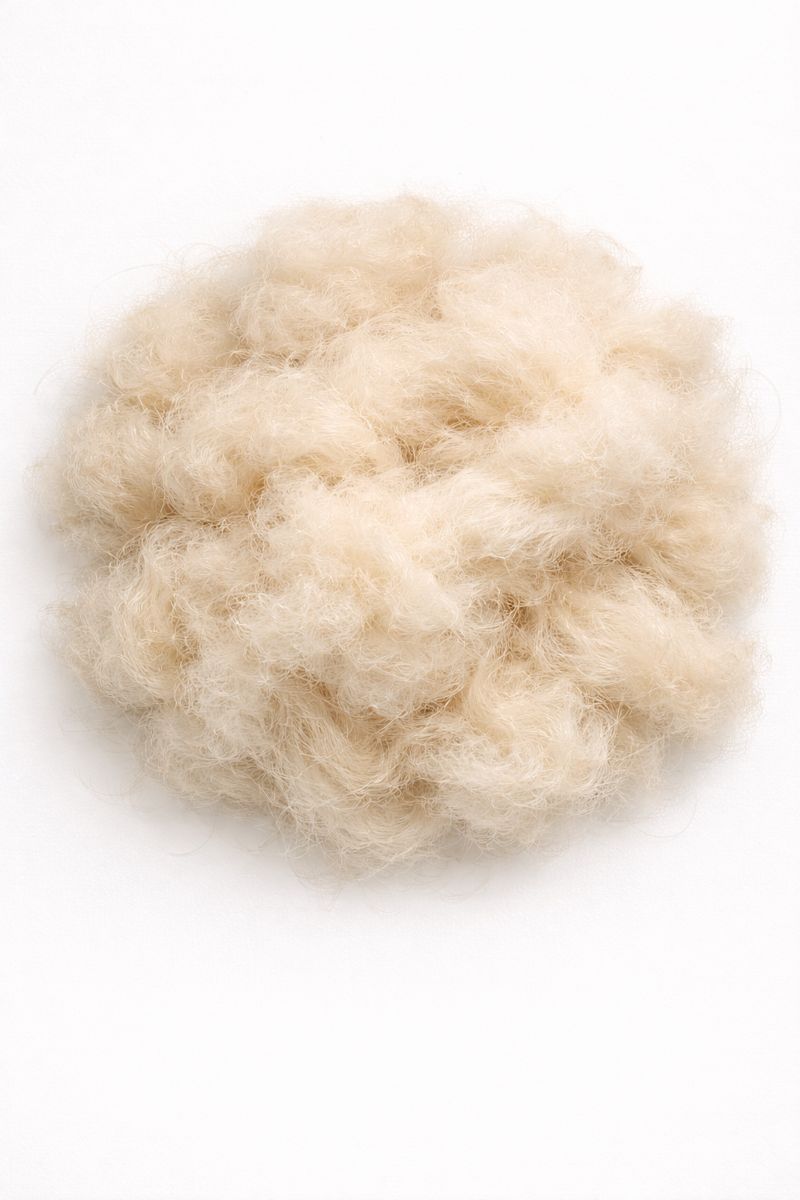
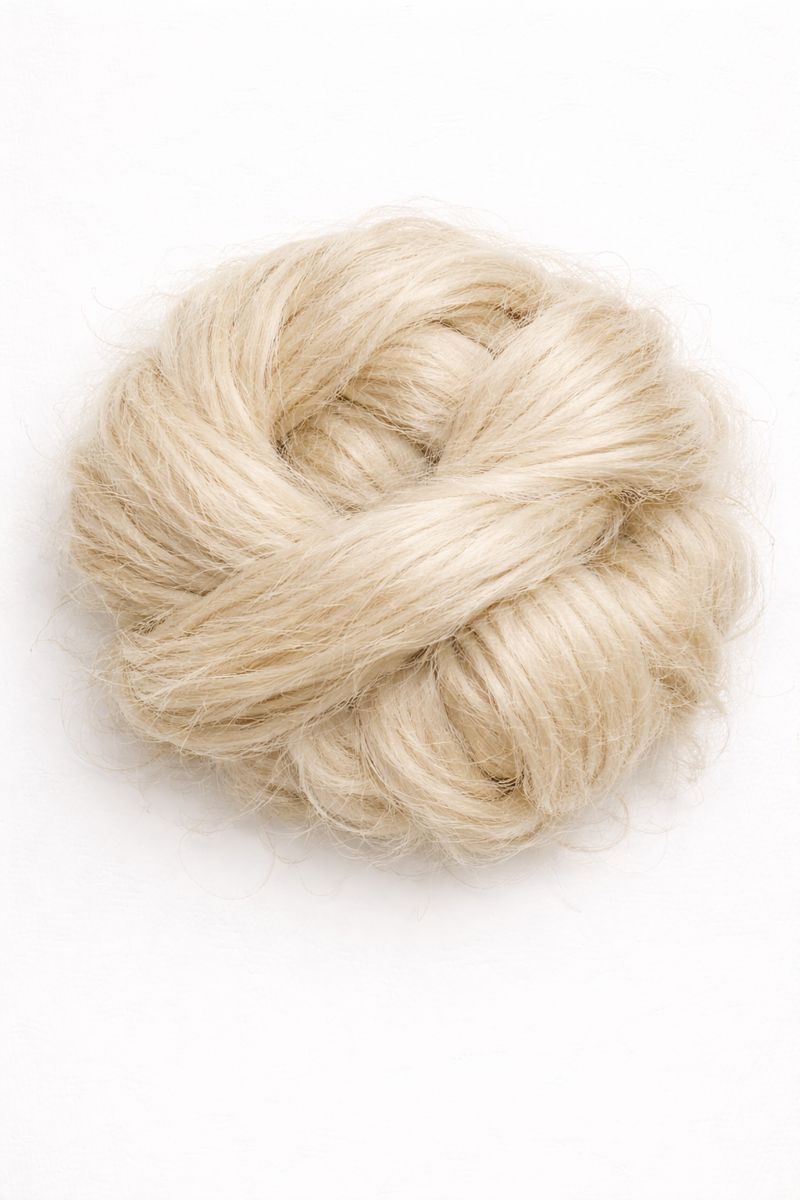
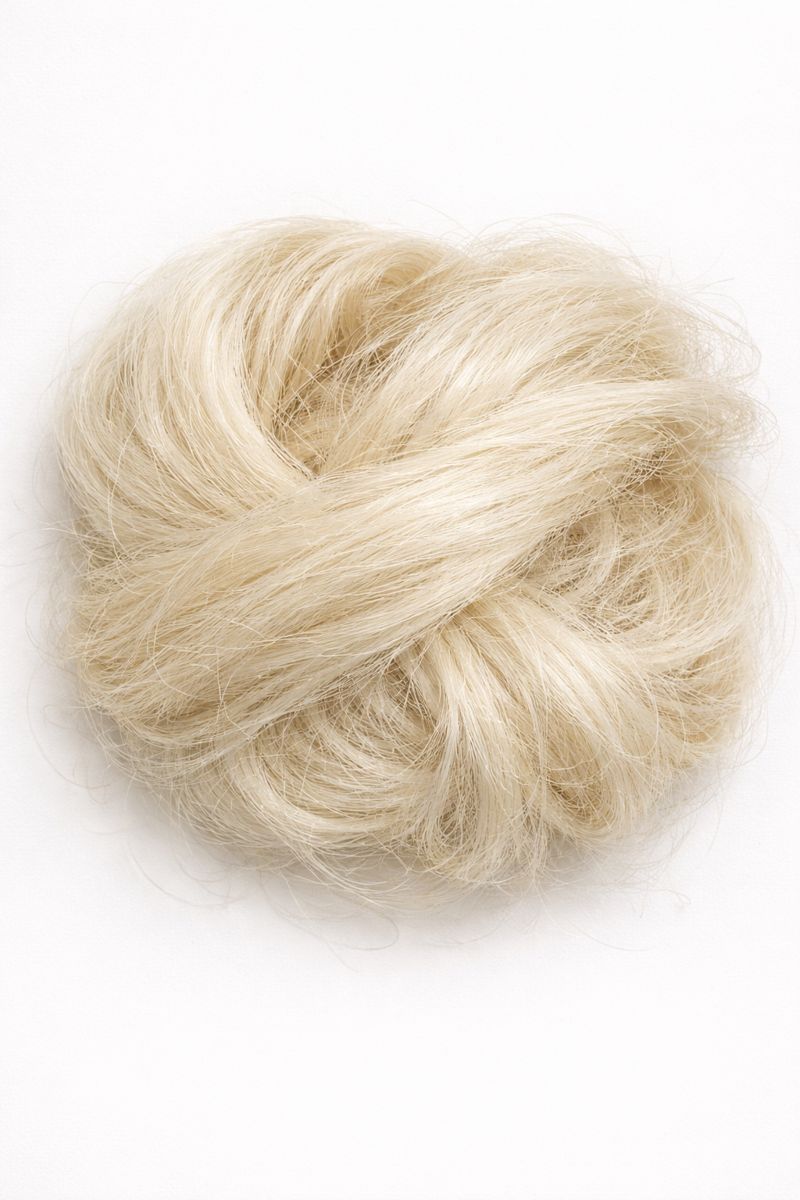
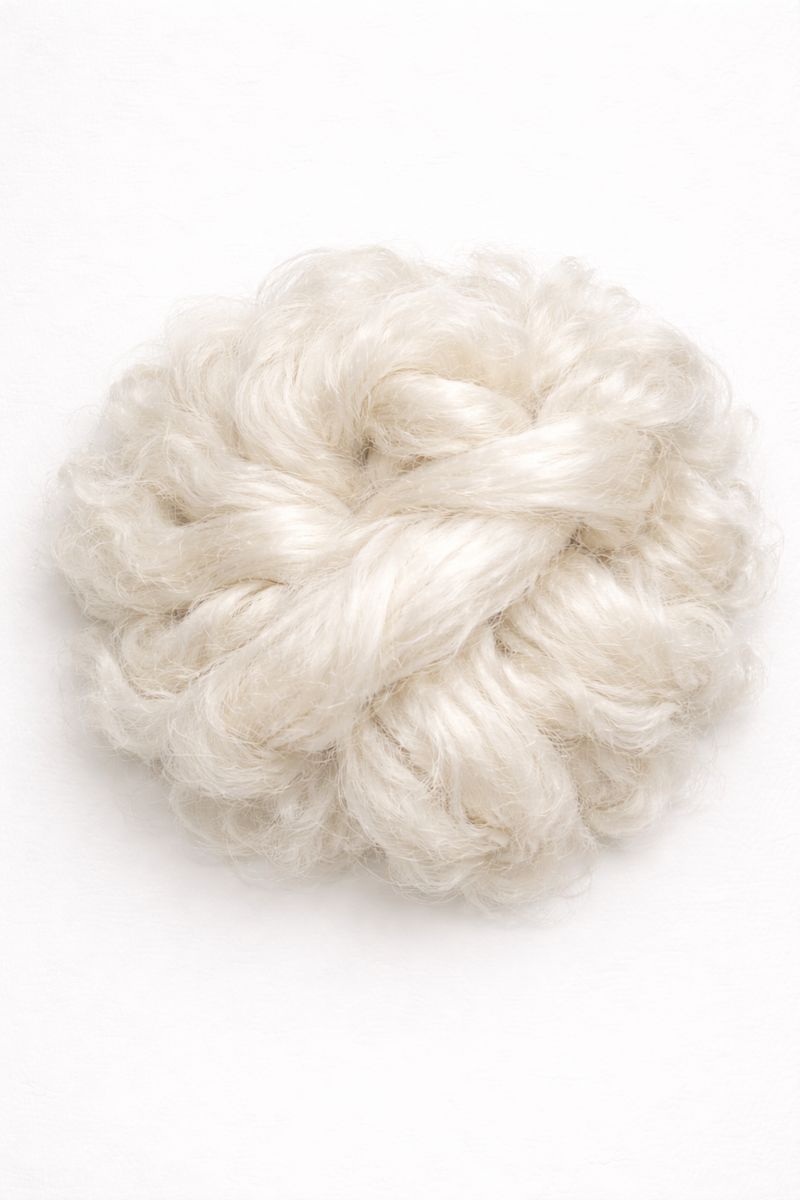
Animal Fibers
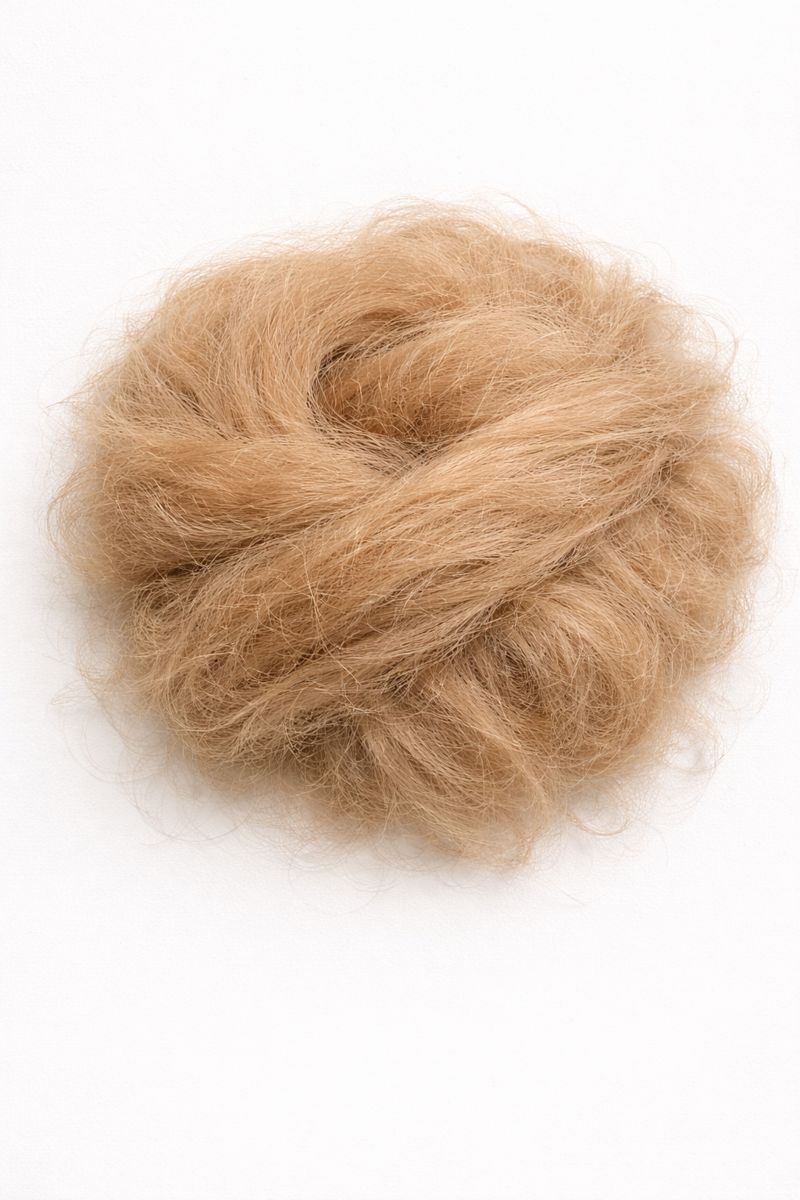
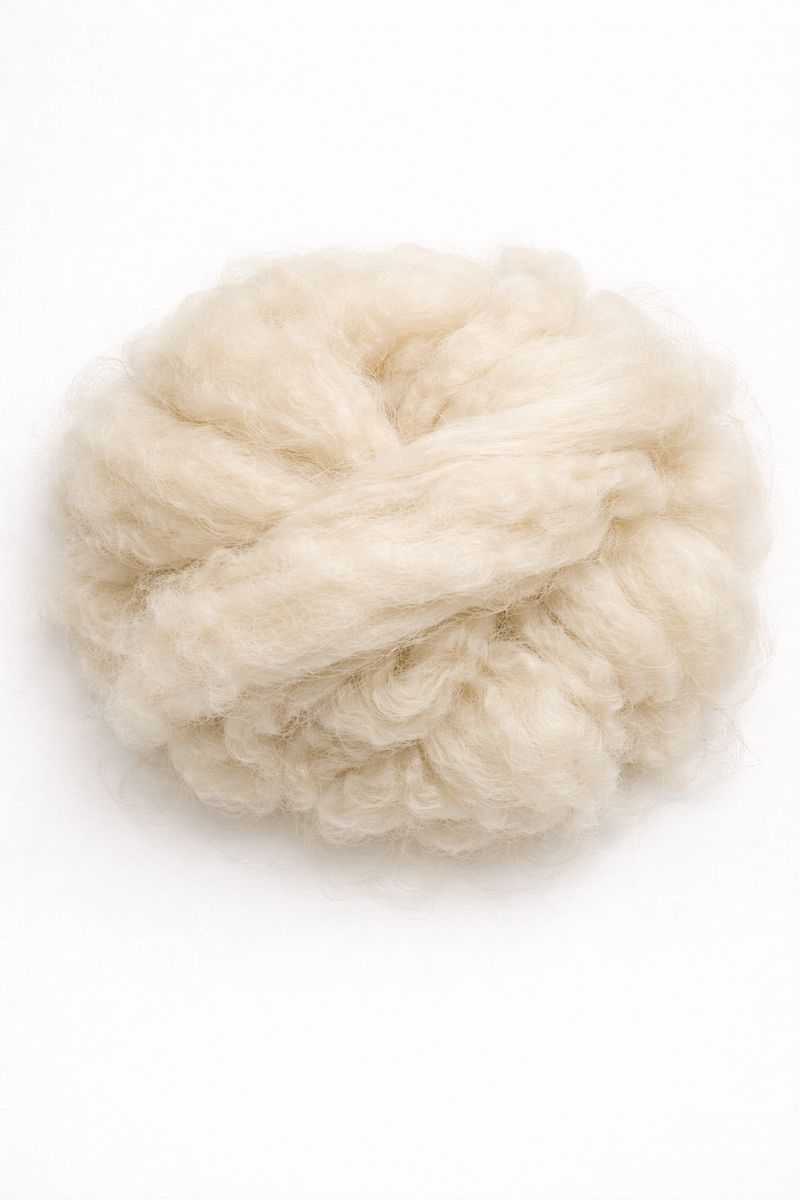
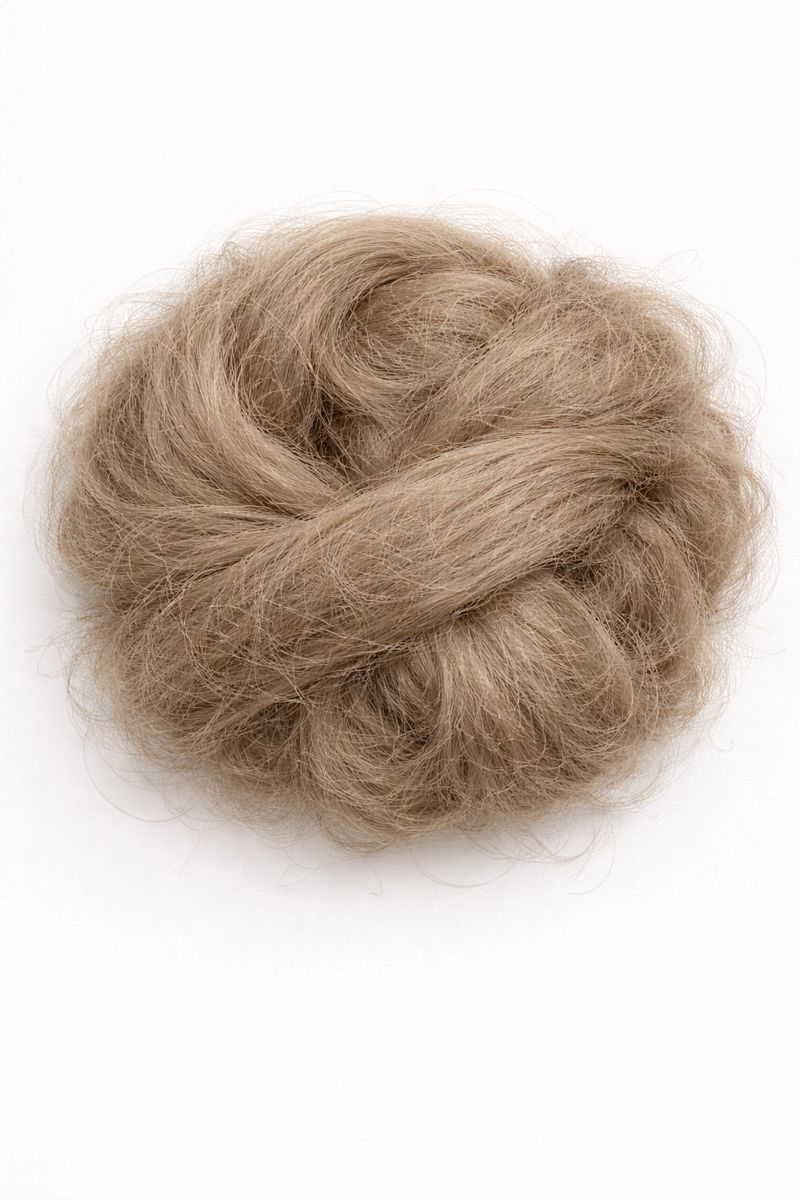
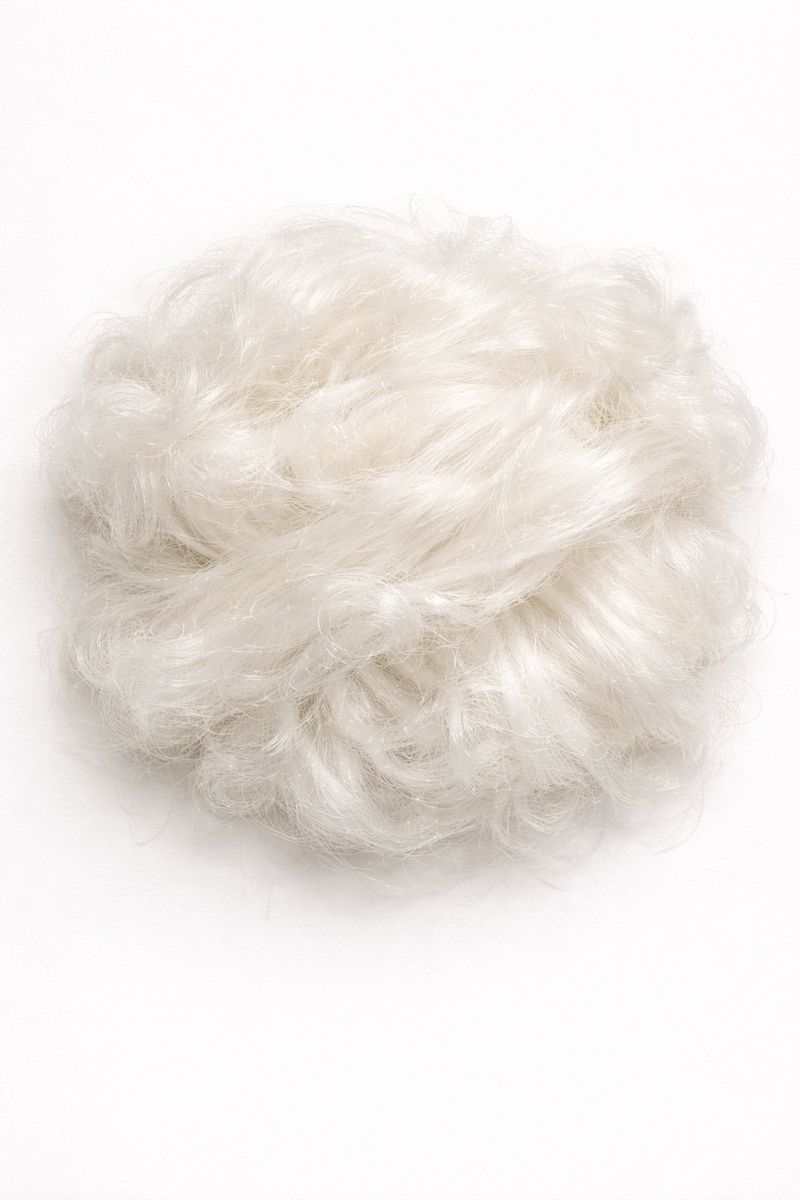
Animal fibers are protein-based fibers sourced from hair, wool, or secretions. They are valued for warmth, elasticity, insulation, and their distinctive surface, drape, and tactile qualities.
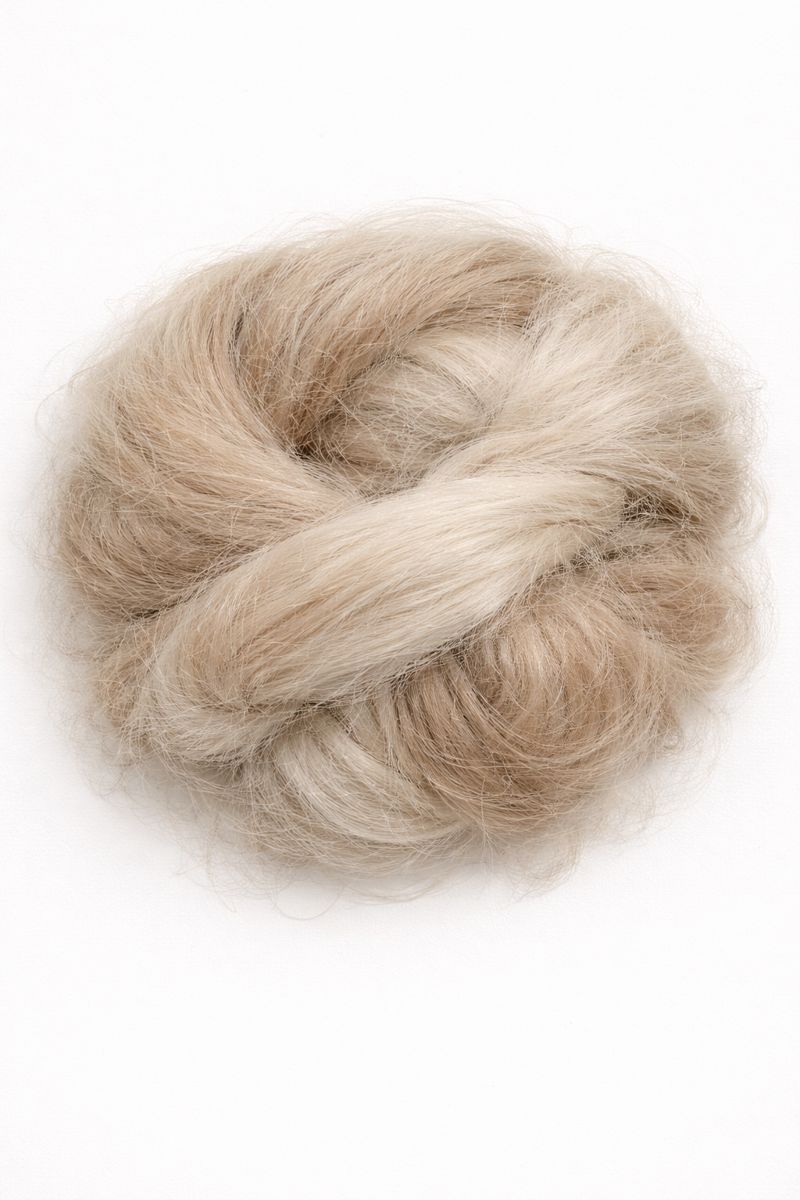
Regenerated Fibers
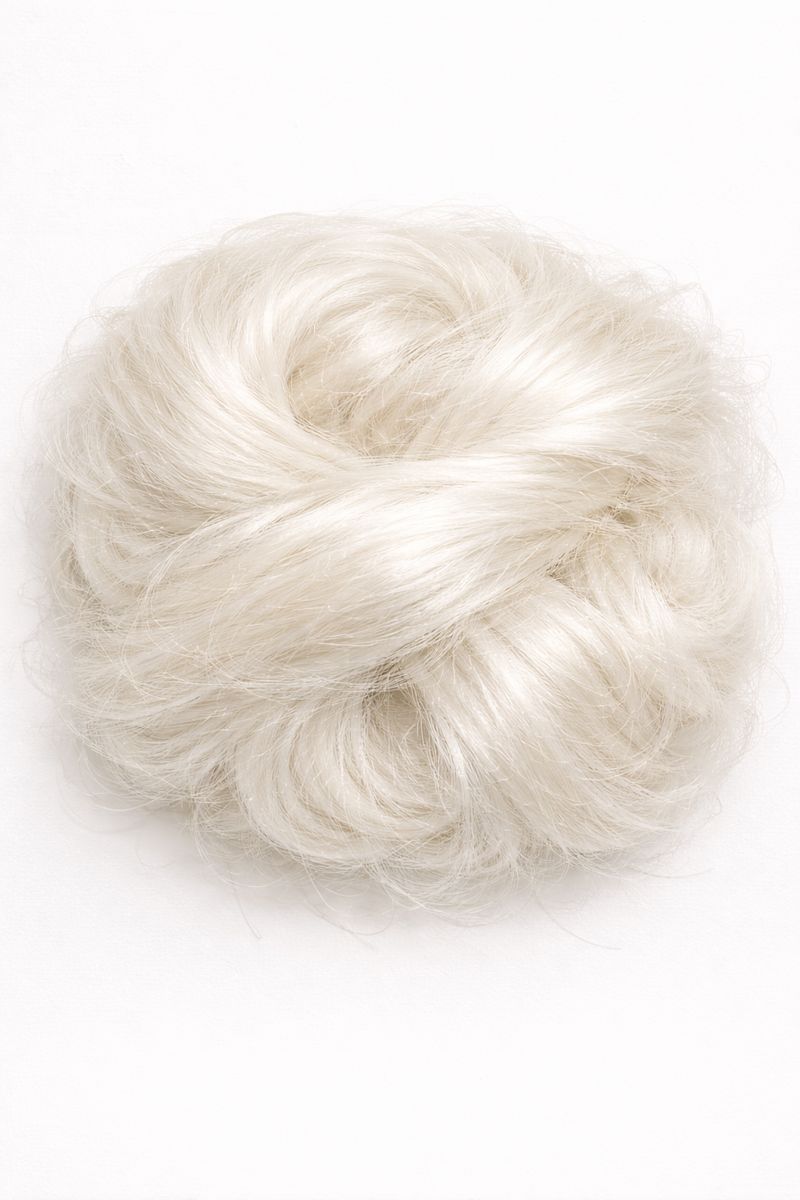
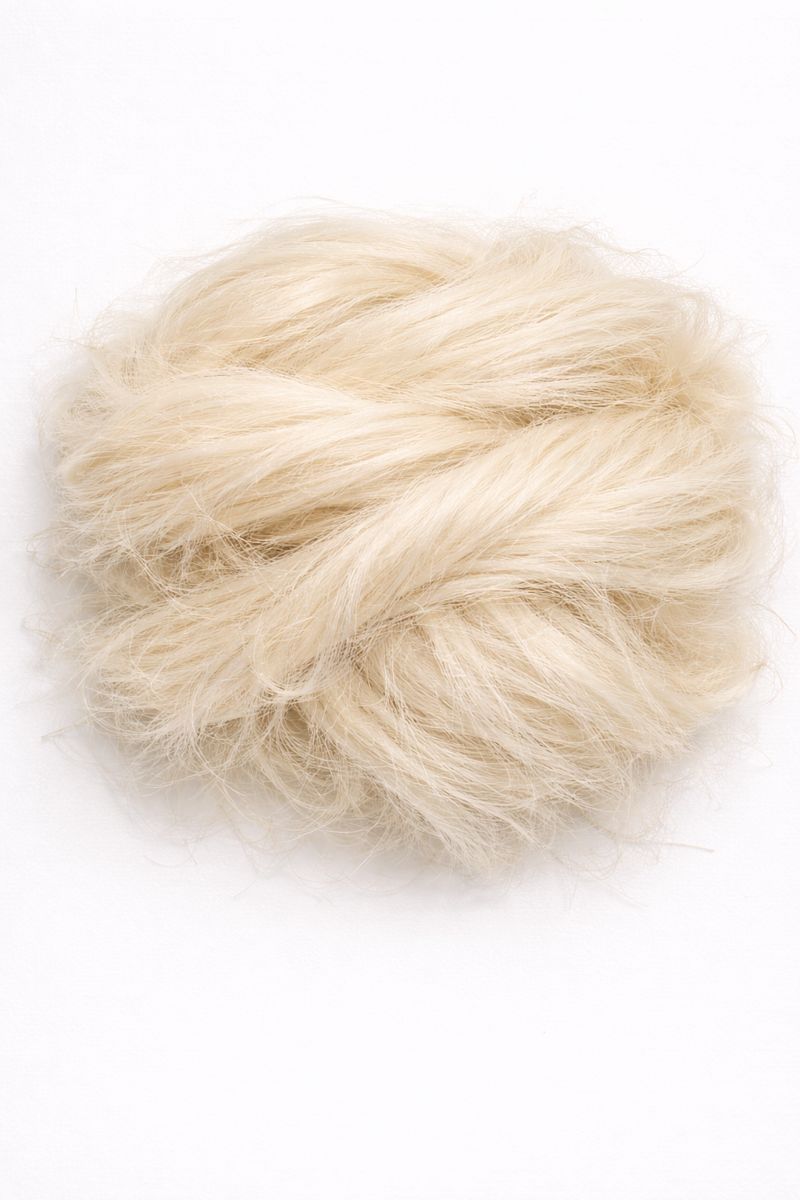
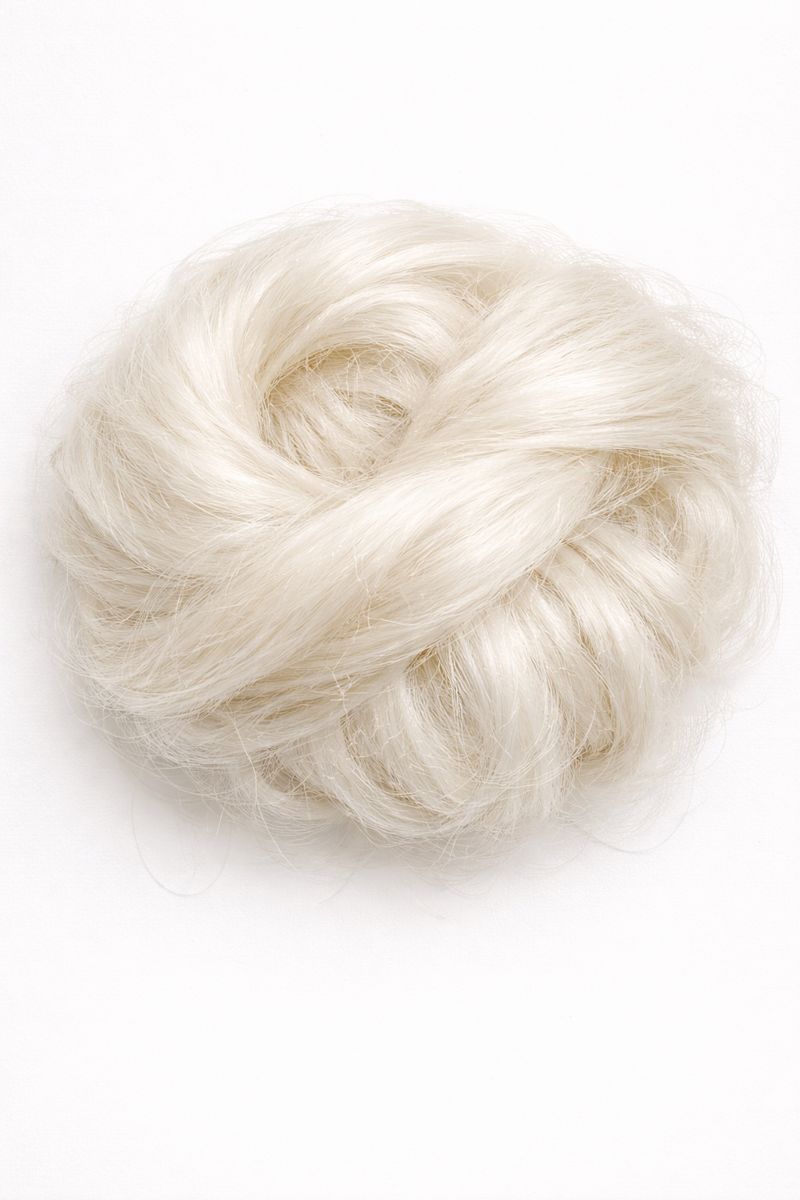
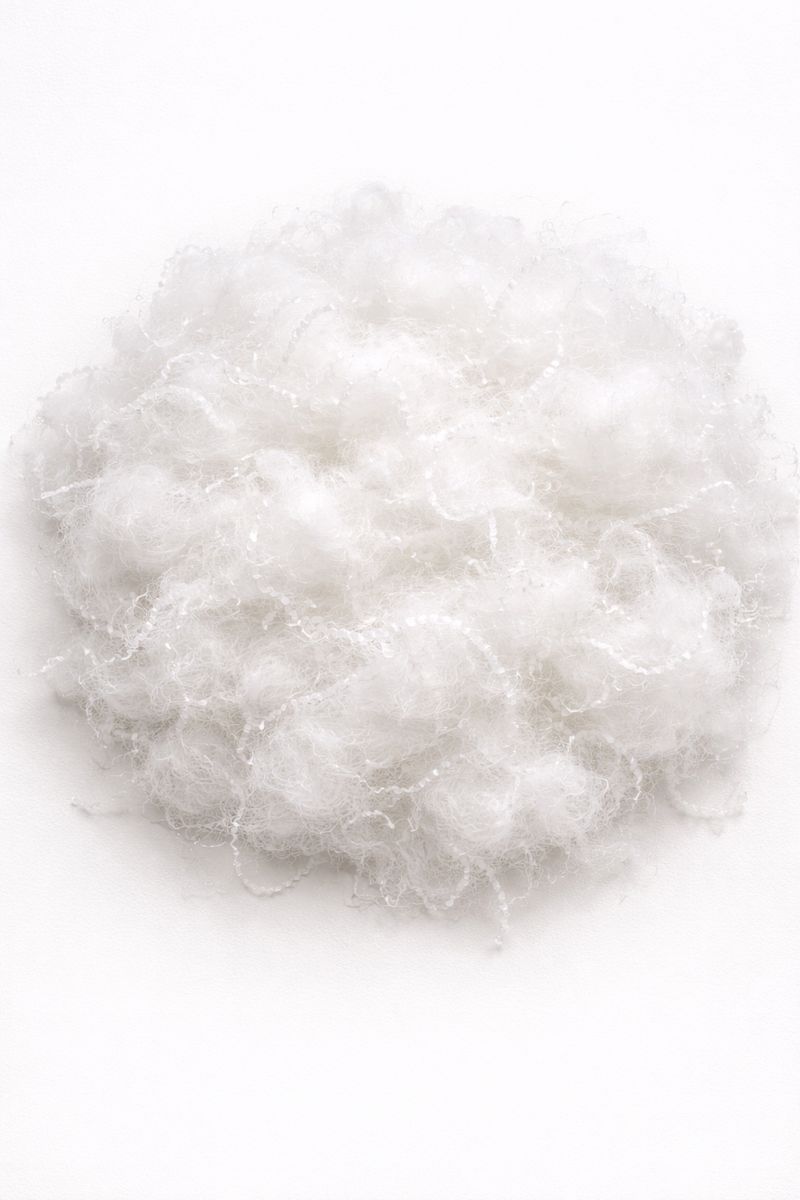
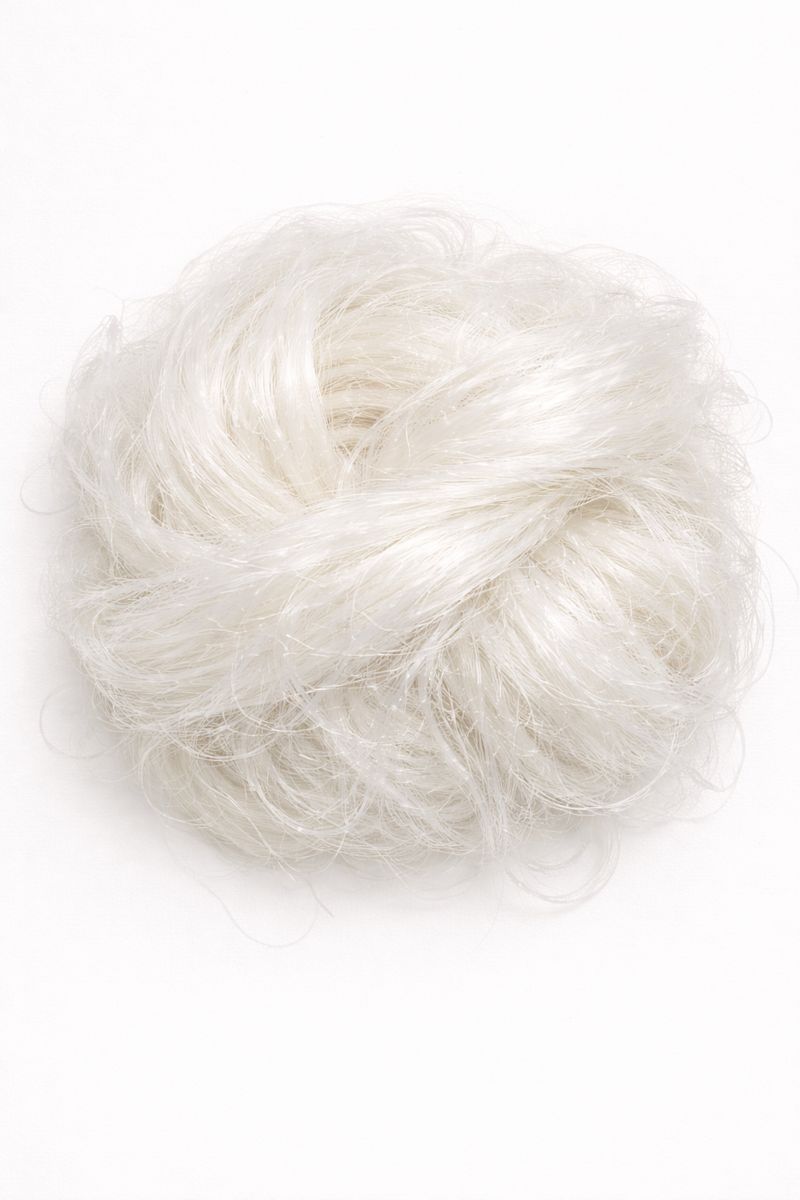
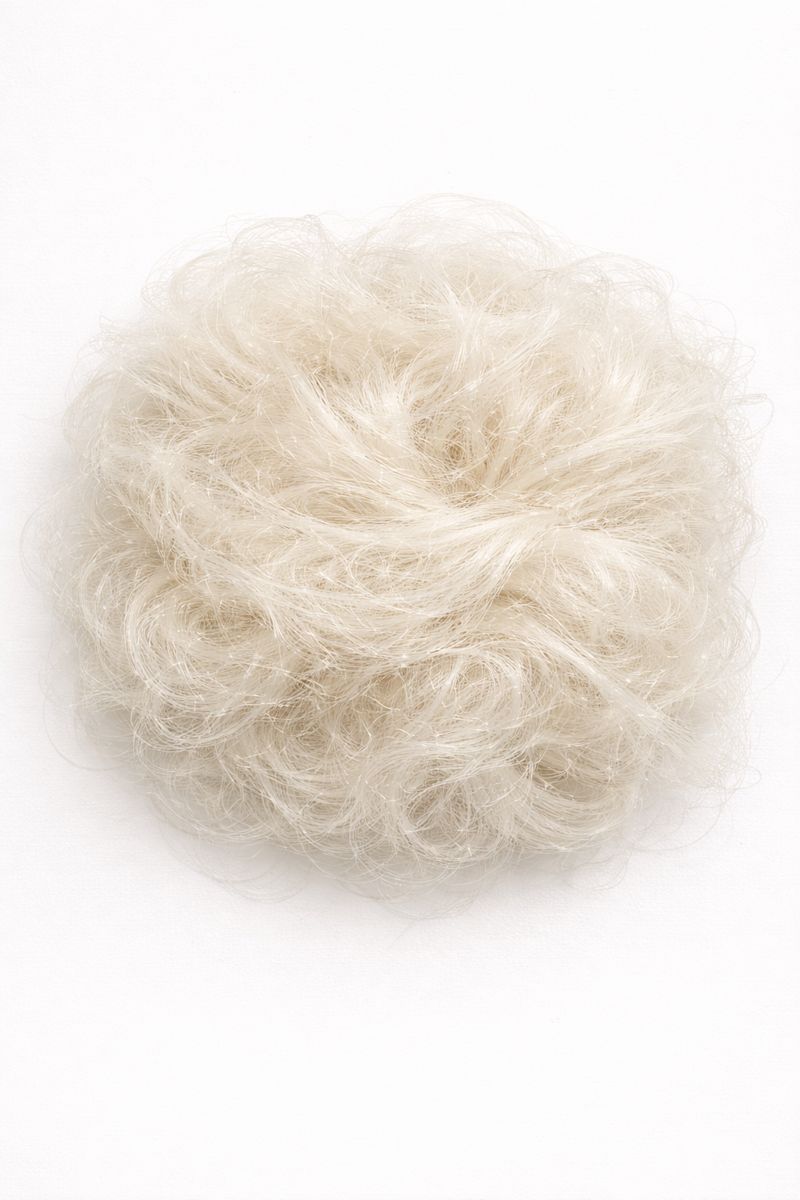
Regenerated fibers are made from natural raw materials that are chemically processed and re-formed into new fibers. Although their origin is natural, the transformation process results in fibers with more uniform structure and controlled performance.
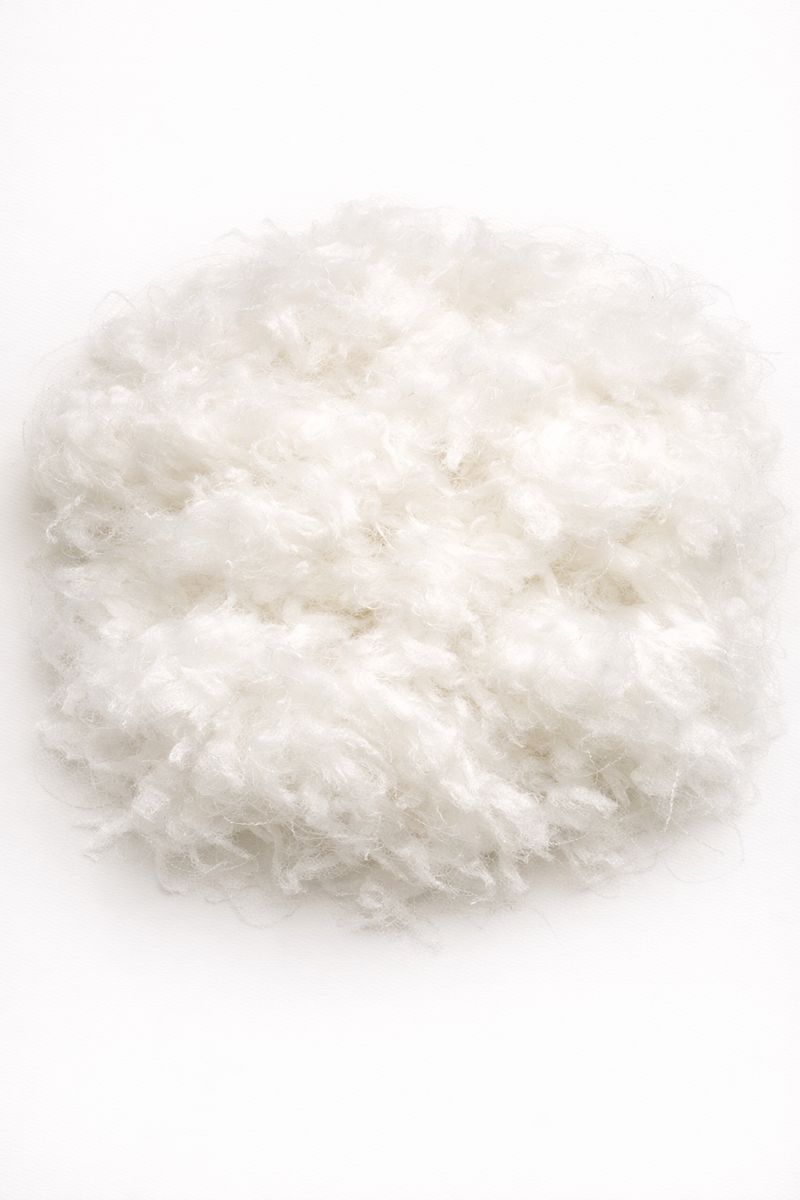
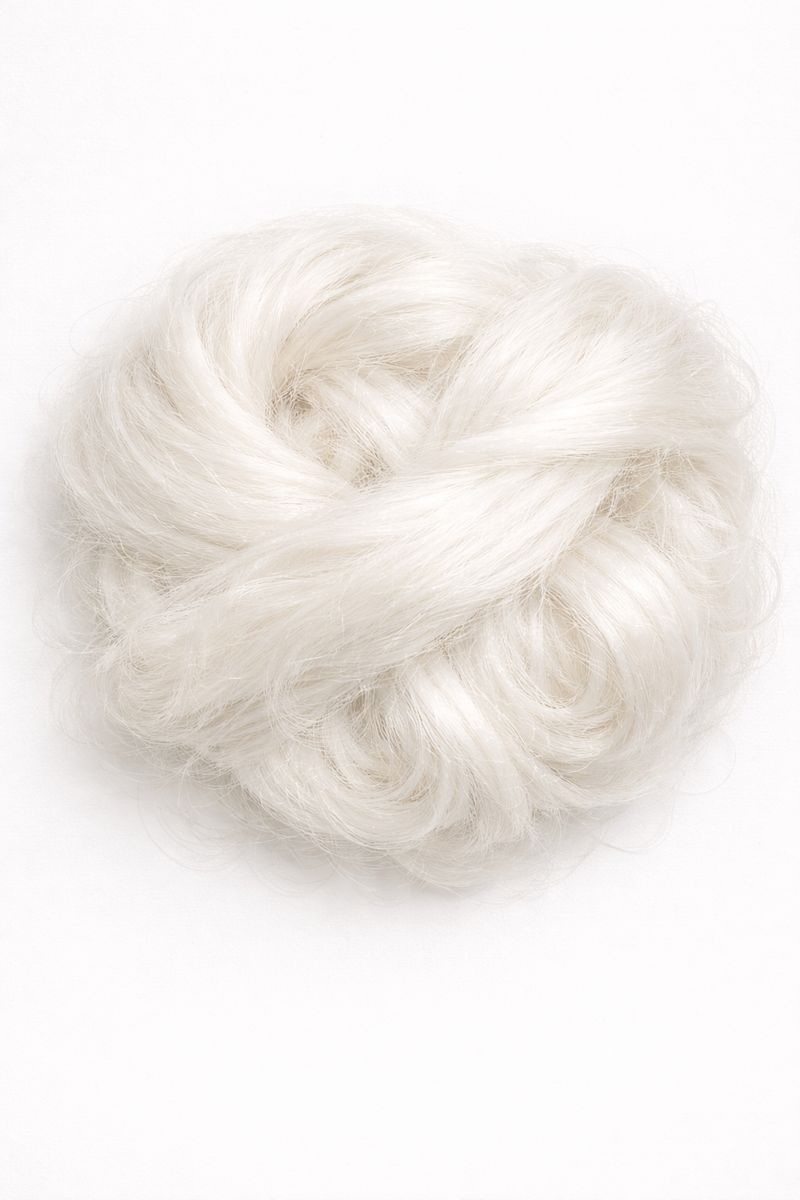
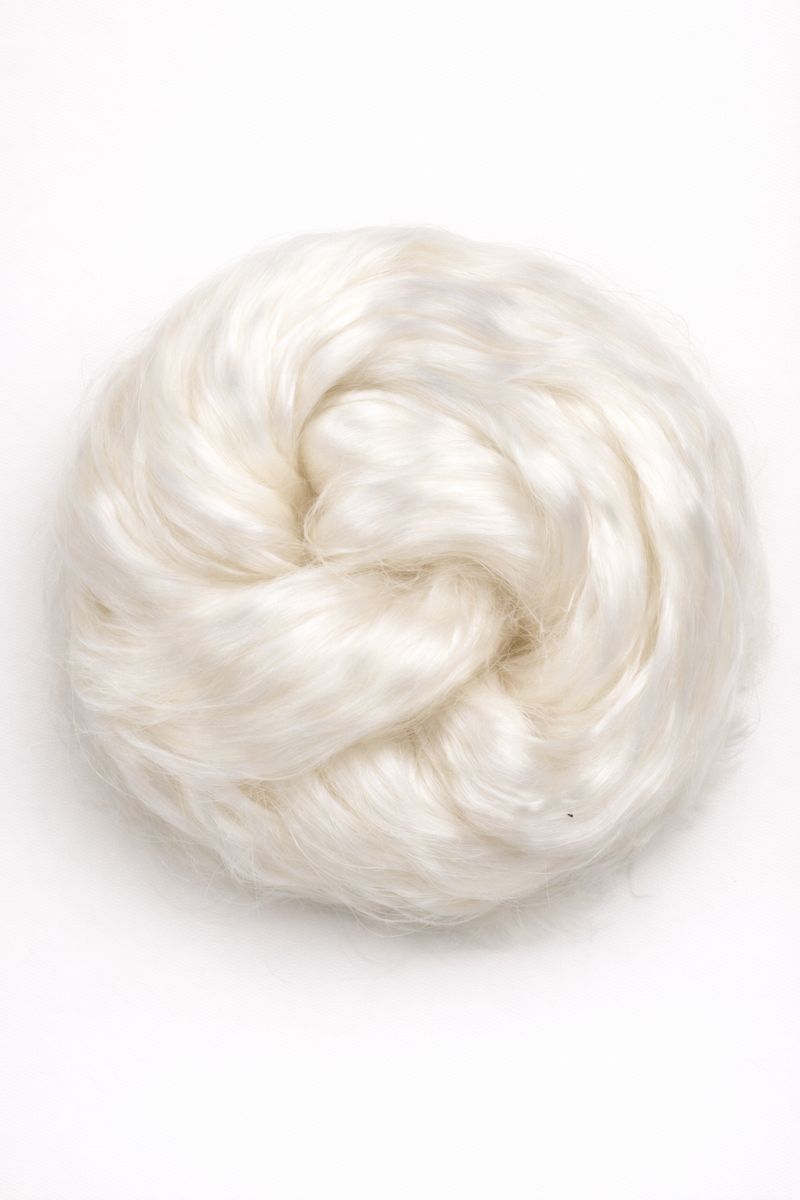
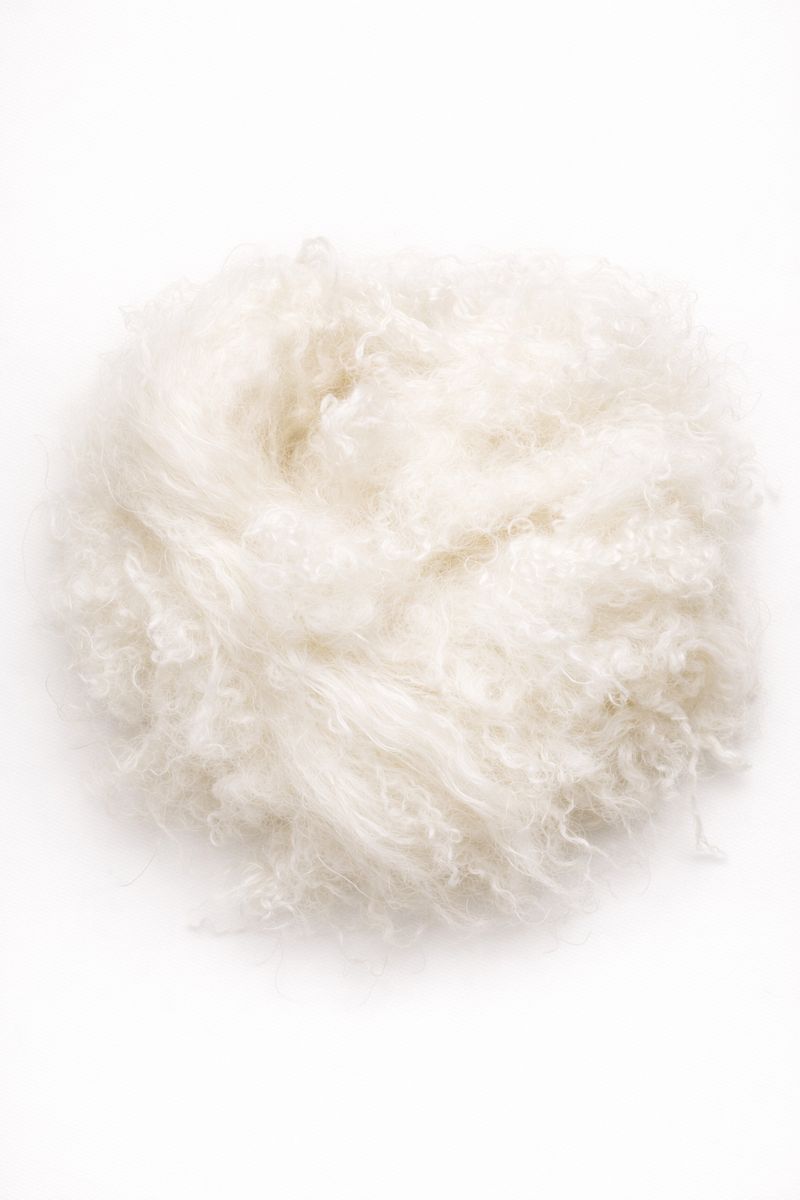
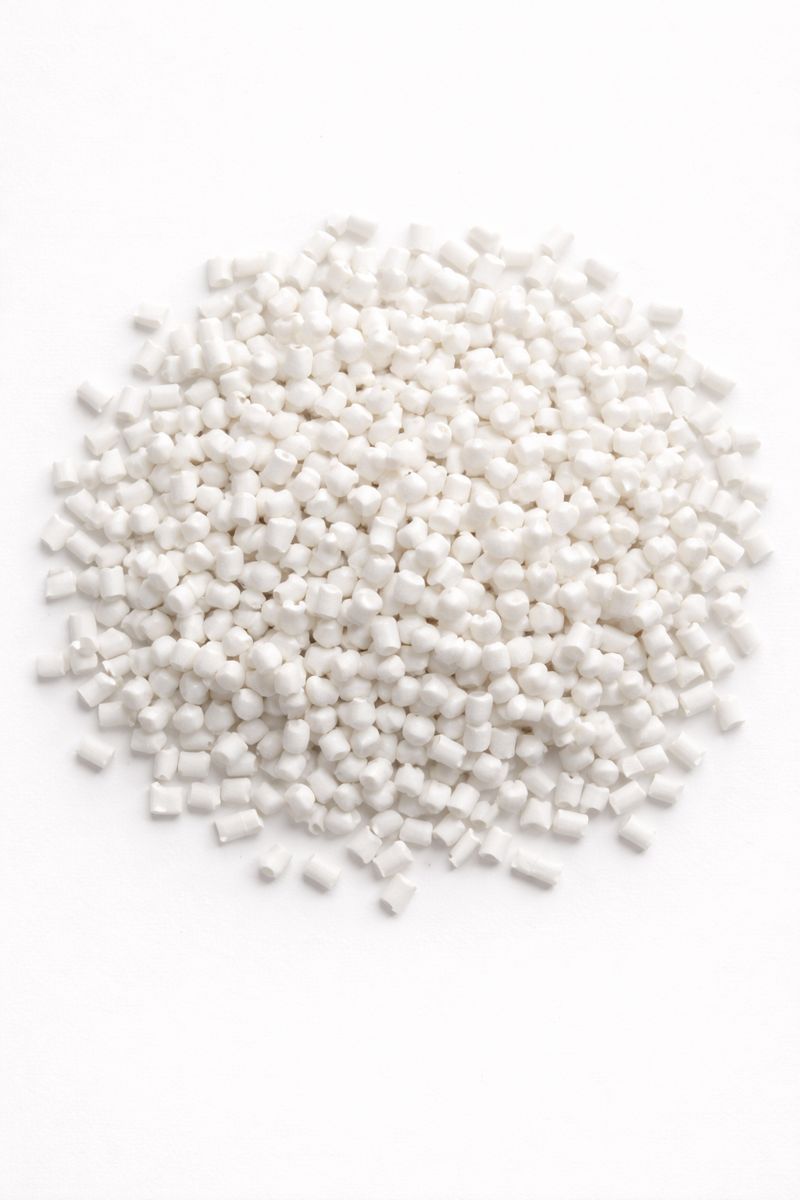
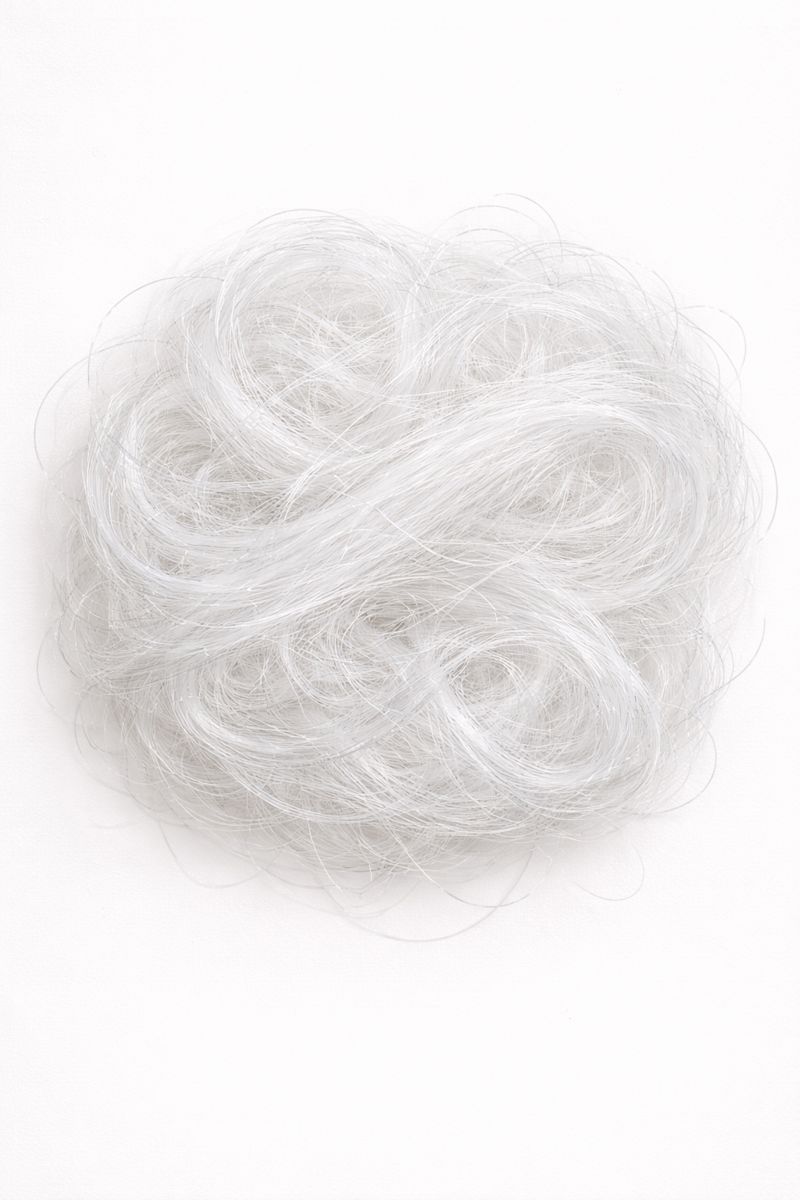
Synthetic Fibers
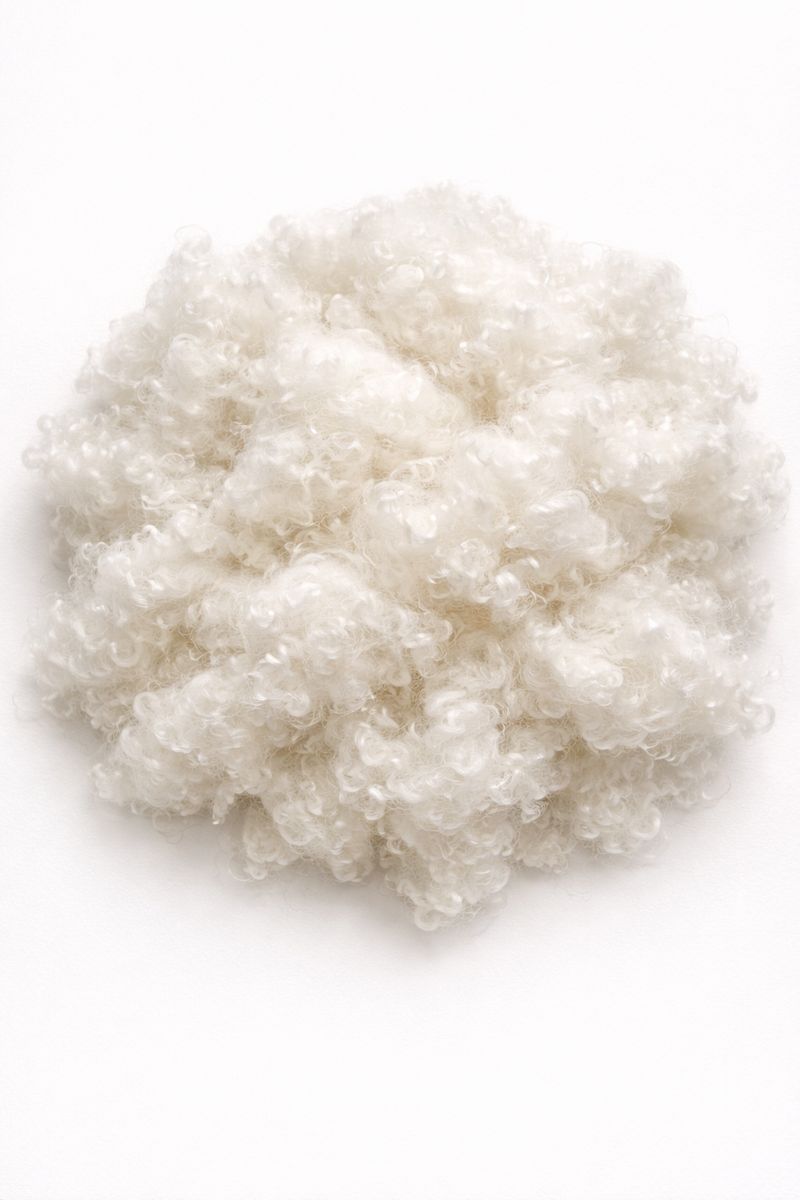
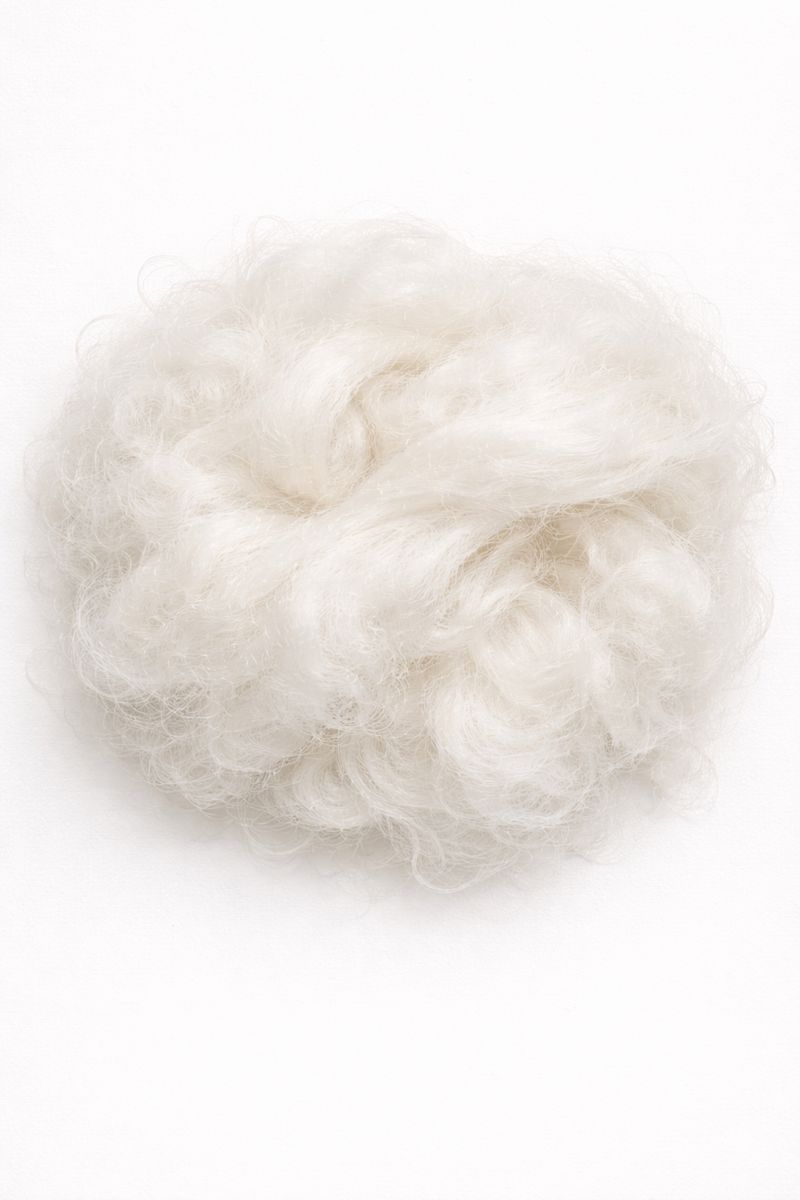
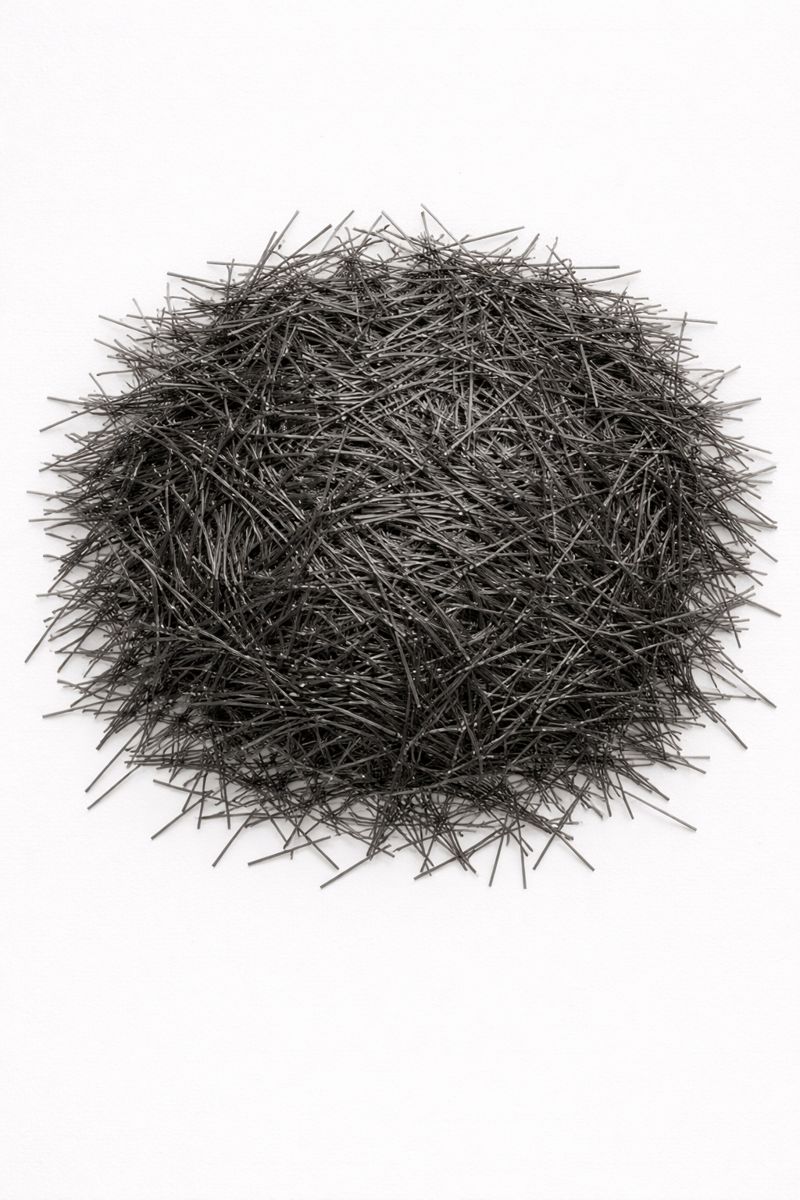
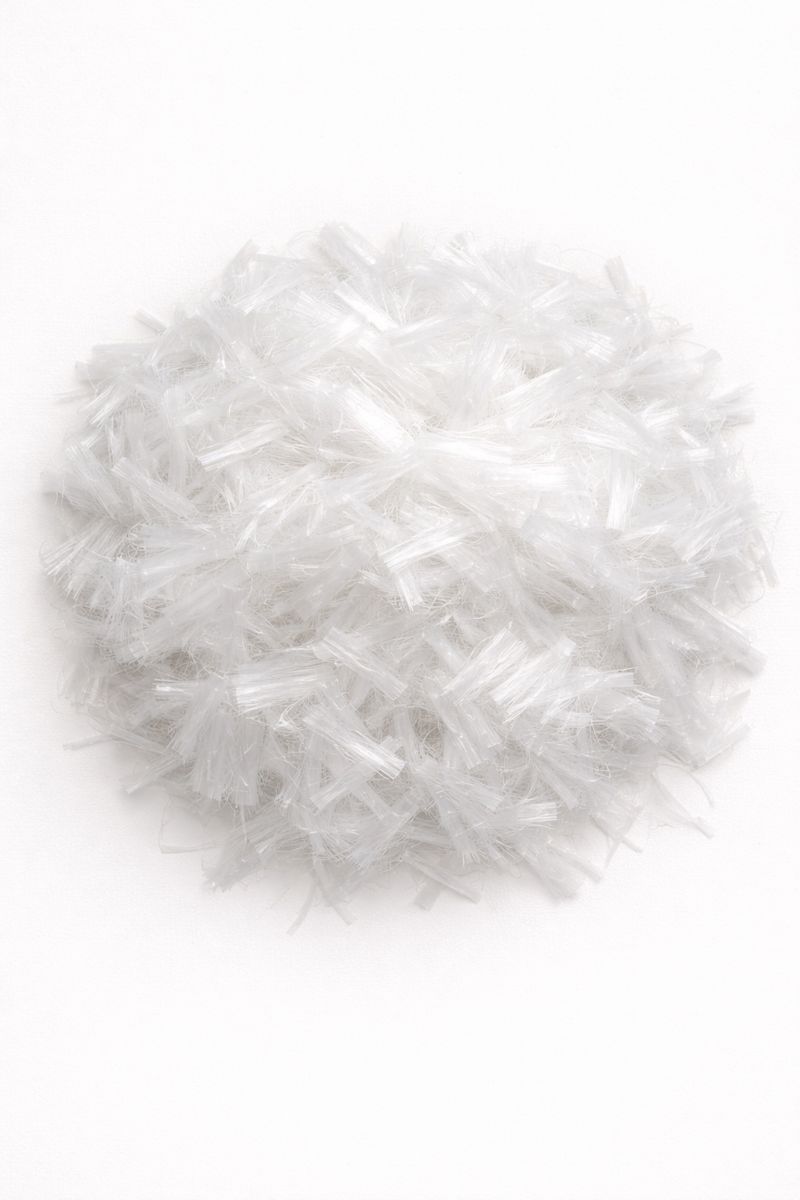
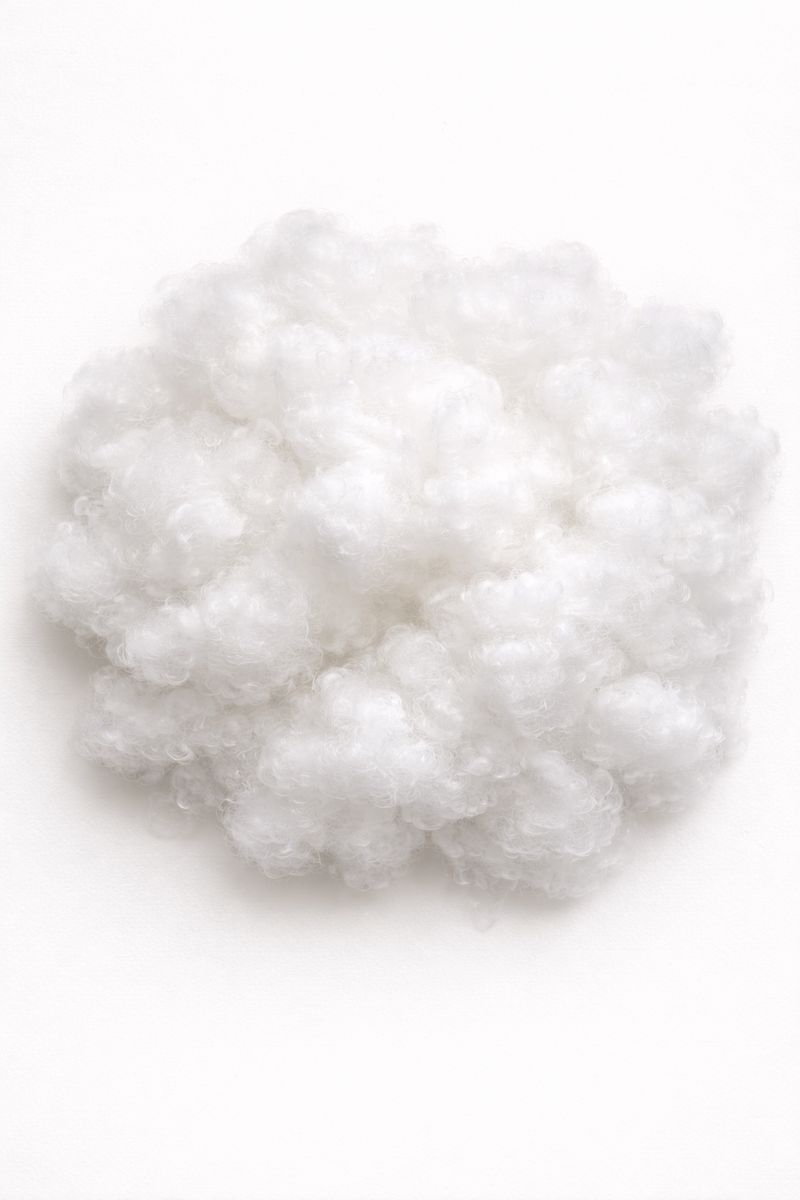
Synthetic fibers are entirely man-made and produced through chemical synthesis and polymerization. They are engineered for specific properties such as strength, durability, elasticity, and resistance to wear, moisture, or chemicals.
Use & Applications
Fibers can be used alone or combined to achieve specific outcomes in yarn and fabric construction. Typical selection criteria include comfort, durability, drape, appearance, cost, and care requirements.
Common Application Drivers
- Next-to-skin comfort and moisture management
- Warmth and insulation versus lightweight performance
- Strength, abrasion resistance, and longevity
- Elastic recovery and shape retention
- Luster, dye behavior, and surface texture
- Care needs (washing, drying, wrinkling, pilling)
Fibers Comparison
Note: This comparison table is best viewed on a desktop or larger screen. Due to the amount of data and detailed columns, the table may be difficult to read on mobile devices. For the best experience and full overview, we recommend viewing this page on a desktop or tablet.
| Fiber | Maintainance | Abrasion Resistance | Strength | Drapability | Elasticity | Absorbency | Shrinkage | Dye Absorptance | Anti-Static |
| Wool | ★★★★ | ★★ | ★ | ★★★★★ | ★★★★★ | ★★★★★ | ★ | ★ | ★ |
| Cashmere | ★★★★★ | ★ | ★★ | ★★★★ | ★★★★★ | ★★★★★ | ★ | ★ | ★ |
| Mohair | ★★★★ | ★★★★★ | ★★ | ★★★ | ★★★★★ | ★★★★ | ★★★ | ★ | ★ |
| Alpaca | ★★ | ★★★★ | ★★ | ★★★ | ★★★★ | ★★★★ | ★★★★ | ★ | ★ |
| Camel | ★★★★ | ★★★ | ★★★ | ★★★ | ★★★★ | ★★★★ | ★★★★ | ★ | ★ |
| Angora | ★★★★ | ★★★ | ★★★ | ★★★ | ★★★★ | ★★★★ | ★★★★ | ★ | ★ |
| Silk | ★★★★ | ★★★★★ | ★★★★ | ★★★★★ | ★★★★★ | ★★★★★ | ★★★ | ★★★ | ★★★ |
| Cotton | ★★★ | ★★★★★ | ★★★★ | ★★★ | ★★ | ★★★★ | ★★★ | ★★★ | ★★★ |
| Flax | ★★ | ★★★★★ | ★★★★★ | ★★★ | ★ | ★★★ | ★★ | ★★★★★ | ★★★ |
| Ramie | ★★ | ★★★★★ | ★★★★★ | ★★★ | ★ | ★★★★ | ★★ | ★★★★★ | ★★★ |
| Acetate | ★★★★ | ★ | ★★★ | ★★★★★ | ★★★★ | ★★★ | ★ | ★★★★★ | ★★★ |
| Viscose/Rayon | ★★★★ | ★★ | ★★ | ★★★★★ | ★ | ★★★★ | ★★★ | ★★ | ★★★ |
| Acrylic | ★★★ | ★★★★ | ★★★★ | ★★★★★ | ★★★★ | ★★★ | ★★★ | ★★★ | ★★★ |
| Polyamid (Nylon) | ★★ | ★★★★★ | ★★★★★ | ★ | ★★★★★ | ★ | ★ | ★★★★★ | ★★★★★ |
| Polyester | ★★ | ★★★★★ | ★★★★★ | ★★★★ | ★★★★★ | ★ | ★ | ★★★★ | ★★★★★ |
| Spandex | ★★ | ★★★★★ | ★★★★★ | ★★★★ | ★★★★★ | ★ | ★★★ | ★★★ | ★ |
Burn Test
A burn test is used to determinate the fabric content by burning yarns of threads on the warp or weft direction.
Plant
| Heat | Flame | Odour & Residue | |
| Cotton | Scorches; does not ignite until approx. 246°C | Burns quickly with a steady yellow flame | Smells like burning paper; light grey ash that crumbles easily |
| Flax | Discolours; decomposes around 120°C | Burns quickly with a bright yellow flame | Smells like burning leaves or wood; light grey ash |
| Hemp | No melted bead; loses weight between 100–150°C | Burns quickly with a bright yellow flame | Smells like burning leaves or wood; light grey ash |
| Ramie | Decomposes at approx. 200°C | Scorches and burns quickly with a steady yellow flame | Smells like burning leaves or wood; light ash that crumbles easily |
| Jute | Discolours; does not shrink; decomposes around 120°C | Does not shrink in the flame; burns with a yellow flame | Smells like burning leaves or wood; light grey ash |
| Bamboo | Burns quickly and steadily with a yellow to orange flame | Smells like burning paper; irregular ash that crumbles easily |
Synthetic
| Heat | Flame | Odour & Residue | |
| Polyester | Softens and sticks at 227–230°C; melts at 246–260°C | Burns quickly and melts; shrinks; orange flame | Fruity, chemical smell; hard, round black bead |
| Nylon | Yellows around 150°C; melts at 215–250°C | Burns quickly; shrinks | Celery-like smell; hard, round, tough bead |
| Olefin | Shrinks and curls | Burns and melts | Asphalt-like smell; hard, tan-colored bead |
| Spandex | Sticks at approx. 180°C; melts at 230–290°C | Burns slowly and melts; does not shrink | Bitter, sharp odour; soft, sticky black residue |
| PVC | Shrinks around 70°C; decomposes at approx. 180°C | Self-extinguishing; yellow flame with green flashes | Strong acidic smell (hydrochloric acid); charred plastic |
| Acrylic | Sticks to surfaces when pressed at 251–255°C | Burns quickly; shrinks; white to orange flame | Smell of charred meat; hard, irregular crust |
| Aramids | Shrinks | Puckers and chars | No noticeable odour; hard black bead |
Animal
| Heat | Flame | Odour & Residue | |
| Wool / Mohair / Cashmere / Camel Hair | Curls and loses softness; ignites slowly; chars around 300°C | Burns slowly with an orange flame; self-extinguishing | Smells like burning hair or feathers; crisp ash that crumbles easily |
| Alpaca / Llama | Curls and loses softness; ignites slowly; chars around 300°C | Burns quickly with an orange flame; does not self-extinguish | Smells like burning hair or feathers; crisp ash that crumbles easily |
| Silk | Little change around 140°C; decomposes at approx. 175°C | Burns and melts slowly; sizzles; flame goes out | Smells like burning hair or feathers; soft ash that crumbles easily |
Man-Made
| Heat | Flame | Odour & Residue | |
| Rayon / Viscose | Does not melt; loses strength at 150°C; decomposes at 185–205°C | Scorches; burns readily and quickly with a yellow flame | Smells like burning paper; leaves little ash |
| Modal / Lyocell | Ignites slowly; colour changes around 150°C | Burns slowly; dissolves | |
| Acetate | Becomes sticky at approx. 190°C; melts at around 260°C | Burns and melts | Vinegar-like smell; hard, irregular black ash |
Protein
| Heat | Flame | Odour & Residue | |
| Milk Casein | Softens, becomes brittle, yellows at 100°C; decomposes at 150°C | Burns slowly in air with an orange flame; self-extinguishing | Smells like wool; crisp ash that crumbles easily |
| Soybean Protein | Loses strength; yellows at approx. 160°C | Burns slowly in air with an orange flame; self-extinguishing | Smells like burning protein fibre; ash crumbles easily |